Surfing in Puerto Chicama: A Travel Guide to Surf Camps and More
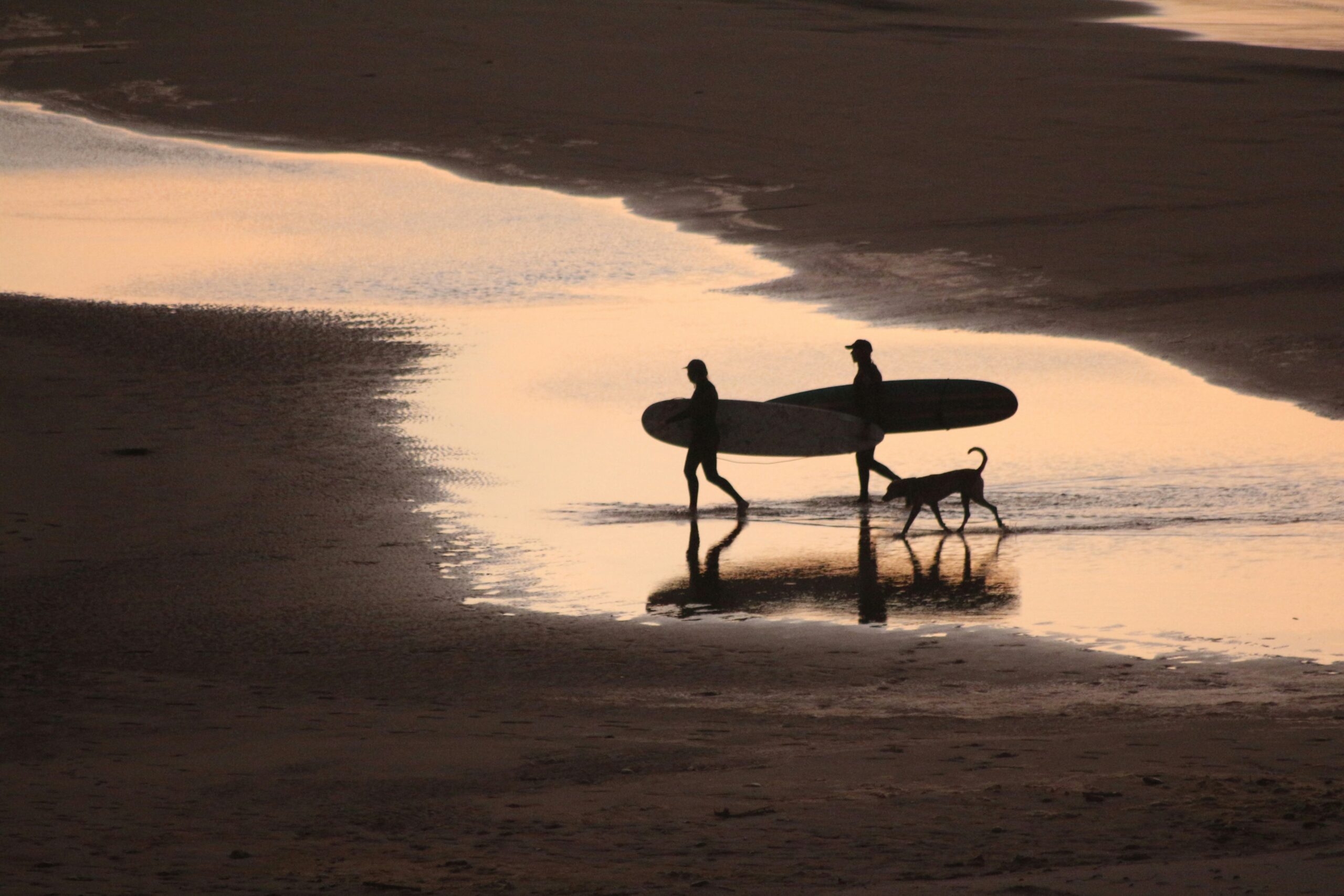
So proclaimed, the longest wave in the world, Chicama offers a mellower left-hander to ride forever. This guide will showcase a couple of resorts, camps, and of course, highlight the wave. To get an introduction or a reminder of the wave, check out this video;
Introduction to Surfing in Puerto Chicama
Puerto Chicama is home to the legendary Chicama, widely recognized as the longest left-hand wave in the world. Located in the arid desert of Northern Peru, this small fishing village has become a pilgrimage site for surfers seeking the ultimate leg-burner ride. The wave is a marvel of nature, capable of peeling for up to 2.5 miles (4 kilometers) when all sections connect.
The town itself is humble and centered entirely around the surf. While the landscape is stark and sandy, the offshore winds are incredibly consistent, grooming the Pacific swells into perfect, machine-like lines. Whether you are a beginner looking for soft rollers or an advanced surfer wanting to practice flow and turns over and over again, Chicama offers a unique opportunity to progress due to the sheer amount of time you spend on your board during a single ride.
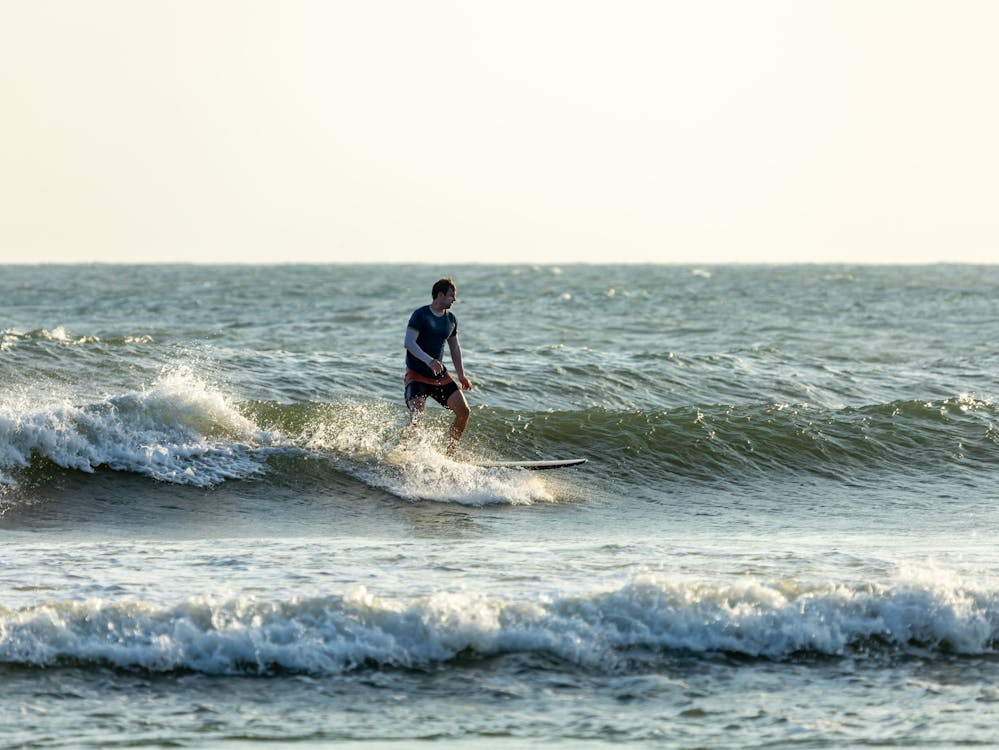
Rider surfing the left worldclass Chicama.
Best Season to Surf in Puerto Chicama
- Main Surf Season — April to October: Puerto Chicama’s most consistent surf comes from Southern Hemisphere S/SSW groundswell during the Peruvian winter. May to August is the peak window, with the biggest and most powerful waves and the best chance of the full point connecting; September and October retain strong swell but are cooler and more wind-affected.
- Shoulder Season — March and November: These transitional months offer a good balance of swell, lighter winds and fewer crowds than the April–October peak. March sees the first southern pulses arrive with warmer water, while November retains decent swell as the winter season winds down.
- Off Season — December to February: The southern summer brings smaller, less consistent swell, warmer water and more variable wind. Chicama still works, especially for beginners and longboarders, but conditions are generally softer and more wind-dependent than during the April–October window.
Surf Spots in Puerto Chicama
Chicama (The Main Point)
The wave is broken down into several famous sections: La Punta, El Cape, La Cruz, El Point, Las Tetas, El Hombre, and El Pueblo. On a massive southwest swell, these sections can link up into a ride lasting several minutes. Because the current is strong and the ride is so long, many surfers use taxi boats to tow them back to the point, saving energy for more waves rather than spending it on the long paddle or walk back.
Puemape
Located about 45 minutes south of Chicama, Puemape is often where surfers go when the swell is too small for Chicama to reach its full potential. It is a more powerful and faster left-hand point break that picks up significantly more swell energy. It is a top suggestion for those looking for a bit more punch and verticality in their waves. If you want to read more about Puemape, check out my article about Surfing in Puemape.
Surf Resorts and Camps
A popular choice for those looking for a comfortable, community-focused stay. They cater specifically to surf travelers, offering clean accommodations and local knowledge on the best times to paddle out at the point. Their proximity to the wave makes it easy to check the conditions from the terrace.
This camp offers a more personalized experience, often including guided surf trips to nearby breaks like Puemape or Huanchaco if the swell conditions change. They focus on helping surfers improve through coaching and video analysis, making the most of the long rides Chicama provides to refine technique.
Other Things to Do in Puerto Chicama
- Visit Chan Chan: Explore the second-largest adobe city in the world and the former capital of the Chimu Empire, located near Trujillo.
- Huanchaco Day Trip: Visit the nearby World Surfing Reserve to see the traditional Caballitos de Totora, reed boats used by local fishermen for thousands of years.
- Enjoy Peruvian Cuisine: Refuel with fresh ceviche and local seafood, which are central to the culture in this coastal region.
Conclusion on Puerto Chicama
Puerto Chicama is a destination of extremes—the driest desert meets the longest wave. It is a place where time slows down as you glide across the water for minutes at a time. Whether you use the taxi boats or walk the point, a trip to Chicama is a transformative experience for any surfer. It is the ultimate laboratory for style, flow, and the pure joy of the long ride.
FAQ: Travel Essentials for Puerto Chicama
What is the average water temperature?
The water is cool, ranging from 14°C (57°F) to 20°C (68°F). The Humboldt Current keeps the region temperate despite its proximity to the equator.
What wetsuit thickness do I need?
A 3/2mm wetsuit is standard for summer, but a 4/3mm is highly recommended for the winter months (June-August) when the wind and water are at their coldest.
Which airport should I arrive at?
Trujillo (TRU) is the closest airport, about an hour’s drive from the town.
What is the currency and which languages are spoken?
The Sol (S/) is the local currency. Spanish is the main language, though English is common in the major surf resorts.
Is this location good for beginner surfers?
Yes. Chicama is excellent for beginners because the wave is very mellow and predictable, providing plenty of time to practice standing up and finding balance.
Do you have other blogs about Peru?
Absolutely! If your interested in checking out some of the other zones in Peru for your search of a session. Check out our Surfing in Peru guide.