Surfing in Brazil: A Surf Travel Guide
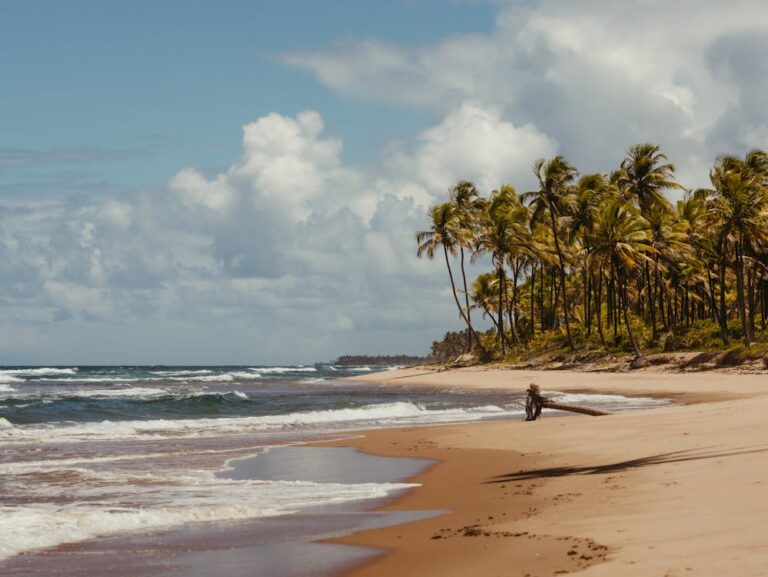
Introduction to Surfing in Brazil
Brazil, with more than 7,000 km of Atlantic coastline, is a heavyweight of global surfing and home to multiple World Tour champions. From cooler southern beach breaks in Rio Grande do Sul to tropical points and reefs in Bahia and the Northeast, the variety of waves and climates is enormous.
Consistent Southern Hemisphere swells light up the South and Southeast for much of the year, while the Northeast catches seasonal North Atlantic pulses and reliable trade-wind swell. The main surf corridors stretch from Rio Grande do Sul and Santa Catarina up through São Paulo, Rio de Janeiro, Espírito Santo and Bahia, all the way to Rio Grande do Norte and Ceará.
Along this coast, you’ll find everything from friendly beach breaks ideal for progression to heavier sand-bottom peaks and powerful reef setups, always with warm local vibes and a deeply rooted surf culture. While hubs like Rio de Janeiro and Ubatuba are well known, many smaller towns still feel pleasantly under the radar, especially mid‑week and outside holidays.
Best Season to Surf in Brazil
- South & Southeast – Main Season (April to October): States like Rio Grande do Sul, Santa Catarina, Paraná, São Paulo and Rio de Janeiro are hit by regular fronts and Southern Hemisphere swells through autumn, winter and early spring. This is the prime window for more powerful, consistent surf at spots such as Tramandaí, Farol de Santa Marta, Guarda do Embau, the Florianópolis beaches, Matinhos, Guarujá, Maresias, Ubatuba and Itaúna.
- Northeast – Main Season (June to February): In Bahia, Rio Grande do Norte and Ceará, a mix of trade-wind swell and North Atlantic systems provides fun, often punchy waves in warm water. Areas like Itacaré, Taipú de Fora/Maraú, Baía Formosa, Praia da Pipa, Fortaleza and Taiba work best when mid‑year swells combine with lighter morning winds.
- Shoulder Months (March and November): Transitional periods can offer glassy, playful conditions across both regions, with fewer crowds and milder weather. You may score combo swells in the Southeast while the first or last North Atlantic pulses still reach parts of the Northeast.
Surf Spots in Brazil
Tramandaí
A classic southern beach town in Rio Grande do Sul, Tramandaí has long sandy stretches exposed to the full force of Southern Atlantic swells. Punchy, often powerful beach breaks favor intermediate and advanced surfers during winter fronts, while smaller days offer more relaxed peaks and plenty of room to move along the sandbanks.
Farol de Santa Marta
Farol de Santa Marta is a rugged peninsula with multiple peaks that pick up almost any swell, making it one of the most consistent zones in southern Brazil. Sand-bottom and semi‑point setups around the lighthouse create rippable walls, with more sheltered options when the ocean gets big, all framed by dunes and a fishing‑village atmosphere.
Itapirubá
Split between north and south beaches, Itapirubá offers a mix of peaks that change with banks and swell direction. On the right day you’ll find long, workable lefts and rights with plenty of face for turns, in a quieter setting than some of Santa Catarina’s better-known spots.
Imbituba
Imbituba is a key stop on Brazil’s surf map, with powerful, consistent beach breaks that have hosted major contests. Exposed to open-ocean swell, it can range from playful peaks to heavy, thumping barrels on bigger winter days, supported by a strong local surf culture.
Ibiraquera
Known for both surfing and wind sports, Ibiraquera features a sand-bottom setup near a lagoon outlet that shapes quality peaks when conditions align. Expect fast, performance-friendly waves with sections for turns and occasional barrels, popular with local rippers yet still offering quieter corners.
Garopaba
Garopaba is a mellow surf town surrounded by several beaches, each with its own character and exposure. Most breaks are sandy-bottom and user-friendly, giving beginners and intermediates plenty of options while still turning on for more experienced riders when bigger south swells arrive.
Guarda do Embau
Guarda do Embau is a World Surfing Reserve, with a river-mouth wave that peels along a sandbank beside a protected estuary and dune system. Long, often high-performance walls are most reliable in the Brazilian winter, with access via a short crossing of the Madre River adding a sense of adventure.
Campeche
On the island of Florianópolis, Campeche is a long open beach that picks up plenty of south and southeast swell. Peaks can be powerful and hollow near the better sandbars, especially facing Campeche Island, while smaller days deliver fun, more forgiving waves for a wide range of levels.
Barra da Lagoa
Barra da Lagoa combines village vibes with a softer, more beginner‑friendly beach break near the canal linking the lagoon to the sea. Gentle sand-bottom waves make it a popular spot for surf schools and longboarders, with more defined peaks appearing when a bit more swell fills in.
Ingleses
Located on the north side of Florianópolis, Ingleses offers consistent beach-break peaks when swells wrap into the bay. Depending on sandbanks and storm cycles, waves range from mellow to punchy, serving as a versatile everyday option backed by solid local infrastructure.
Bombinhas
Bombinhas is a scenic peninsula dotted with sheltered coves and small bays that catch refracted swell. Although not as heavy or exposed as Santa Catarina’s outer beaches, it delivers fun, medium-size surf in a postcard setting of clear water and rocky headlands.
Itapema
Itapema’s long, urbanized beach sees regular beach-break peaks when frontal systems pass through the South. Different sections along the shoreline suit both learners and more experienced surfers, with easy access and city amenities making it ideal for quick sessions.
Matinhos
Matinhos is Paraná’s surf heartland, with exposed sandy beaches that pick up swells marching up the coast. Consistent beach breaks produce rippable peaks, and on stronger swells the waves become fast and powerful, backed by an active local surf community.
Ilha do Mel
Off the coast of Paranaguá, Ilha do Mel is a laid-back island getaway where the Grajagan area hosts one of Paraná’s best-known waves. Peaky sand-bottom surf can line up for long rides when sand and swell cooperate, with simple pousadas and limited vehicles keeping the vibe quiet and nature‑focused.
Itanhaém
Near the town of Itanhaém, long sandy beaches receive consistent swell as a go‑to escape from São Paulo city. Classic Brazilian beach-break peaks shift with tides and sandbanks, suiting most levels and turning punchier when larger south swells push in.
Guarujá
Guarujá is one of São Paulo’s main surf hubs, with several beaches and wedges that work on different wind and swell combinations. From more forgiving peaks to heavier sand‑bottom barrels, there is usually something breaking, all within easy reach of big-city amenities.
Bertioga
Bertioga stretches along a wide sandy coastline exposed to south swells, offering numerous peaks that spread out the crowd. The waves are typically user-friendly, making it a favorite for weekend warriors and learners, while stronger fronts add extra punch to the sets.
Maresias
Maresias is a renowned São Paulo beach break famous for its powerful, often hollow waves and competitive local scene. On solid swells it produces heavy, tubing sections best suited to confident intermediates and advanced surfers, while smaller days reveal more approachable, high‑performance peaks.
Praia do Guaeca
Praia do Guaeca, near São Sebastião, is a scenic bay that offers more mellow, lined-up waves compared to Maresias. It’s a good option for intermediates and cruisy sessions, with lush hills dropping right down to the sand.
Ubatuba
Ubatuba, often called the surf capital of São Paulo, is surrounded by Atlantic rainforest and boasts dozens of surfable beaches. From heavier, more advanced peaks to friendly learner spots, its consistent waves and strong surf culture make it a prime destination for all levels.
Rio de Janeiro
Rio de Janeiro is Brazil’s most iconic surf city, with famous beaches like Ipanema, Barra da Tijuca and Recreio offering waves against a dramatic mountain backdrop. Conditions shift quickly with tides and swells, but on the right days you’ll find everything from playful peaks to serious barrels within a short drive of the city center.
Itaúna
Itaúna, in Saquarema, is a world-class beach break that regularly hosts top‑level contests thanks to its power and consistency. Expect strong, bowly walls and barrels on solid south swells, making it a proving ground for Brazil’s best surfers.
Arraial do Cabo
Arraial do Cabo is known for clear water and rugged headlands, with several beaches that pick up refracted swell. While conditions can be more variable, when the sand and wind align you’ll score fun, scenic waves with a more relaxed pace than Rio.
Cabo Frio
Cabo Frio offers long, open beaches that catch a wide range of swell, often with cooler upwelling water. The beach breaks can be fast and punchy, rewarding quick takeoffs and strong turns, especially during the winter swell season.
Geribá
Geribá, in Búzios, is a lively bay with consistent beach-break peaks that attract surfers of all levels. It’s a classic spot for social, high‑energy sessions, with plenty of cafés and nightlife just a short walk from the sand.
Jacaraípe
Jacaraípe is another Espírito Santo favorite, featuring consistent beach breaks and an engaged local surf scene. On stronger swells the waves grow steeper and more challenging, offering good training grounds for shortboarders.
Regência
Regência, near the mouth of the Rio Doce, is famous for long sand-bottom waves that can run for impressive distances when the banks are right. It has a more remote, rustic feel, appealing to surfers who enjoy uncrowded lineups and wide-open beaches.
Itacaré
Itacaré, on Bahia’s Cocoa Coast, is a compact surf town backed by lush Atlantic rainforest, with several breaks accessible on foot or by short trails. From punchy, performance beach breaks to more forgiving waves for progression, its variety and tropical setting make it one of Brazil’s standout surf destinations.
Taipú de Fora, Maraú
Taipú de Fora, on the Maraú Peninsula, is better known for clear-water reefs but also picks up fun beach-break waves on the right swells. Wide sandy stretches and laid-back village life make it ideal for combining small to medium‑size surf with snorkeling and slow days in hammocks.
Baía Formosa
Baía Formosa, in Rio Grande do Norte, is an exposed point and beach area that offers long lefts and rights when east swells meet offshore winds. Its relative isolation keeps crowds light, with a relaxed town perched above a beautiful bay.
Praia da Pipa
Pipa Beach mixes dramatic cliffs, dolphins and a variety of waves, from softer learner peaks to more powerful beach and point breaks nearby. It’s a well-loved backpacker destination where you can surf in the morning and enjoy vibrant nightlife after dark.
Fortaleza
Fortaleza is the urban hub of Ceará, with accessible city beaches and nearby breaks that work under the region’s reliable trade-wind patterns. While often windy, early sessions can deliver fun, punchy waves in warm tropical water.
Taiba
Taiba is one of Ceará’s best-known surf villages, a rare spot in a kite-surf heavy region where you’ll still find surfers in the water year-round. A mix of lefts and rights break over sand, with prime swell windows bringing long, rippable walls in a chilled, small-town setting.
Conclusion on Surfing in Brazil
Brazil’s vast Atlantic coastline creates an incredibly diverse surf playground, from cool-water southern beach breaks to tropical points framed by rainforest and cliffs. From the consistent sandbanks of Santa Catarina and São Paulo to the warm-water charm of Bahia and the Northeast, each region brings its own flavor to the experience.
Whether you’re chasing heavy beach-break barrels or mellow tropical walls, surfers visiting Brazil will find warm water, passionate surf communities and endless opportunities to score waves across multiple states. It’s a destination where you can explore for months and still keep discovering new setups just over the next headland. All for the sessions, of course.