Surfing in Puraran Beach, Catanduanes: Surf Resort Heaven
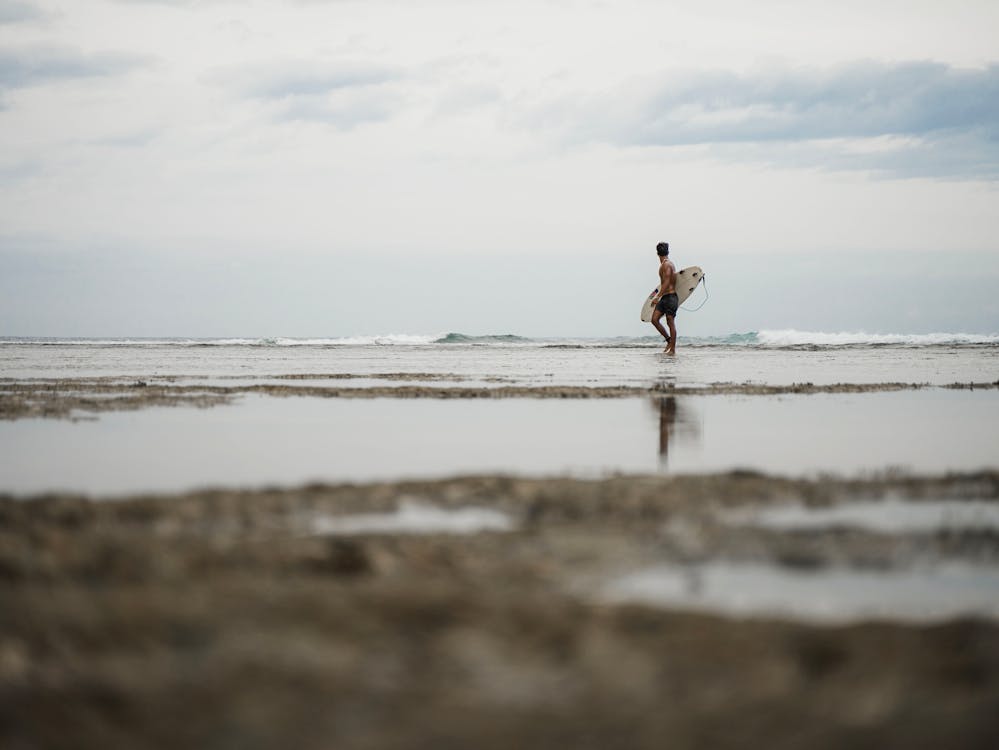
Introduction to Surfing Puraran Beach
Puraran Beach in Baras, Catanduanes is famous for its “Majestic” wave, a powerful right-hand reef break discovered in the late 1970s. The bay offers world-class barrels during typhoon season and beginner-friendly conditions in summer months.
Surrounded by green hills and beach cottages, Puraran stays quieter than Siargao, attracting local Filipino surfers and travelers seeking uncrowded Philippine reef waves.
Best Season to Surf Puraran
- Main Surf Season — September to November: Pacific typhoon swells and the southwest monsoon light up Puraran’s east-facing reef, with the biggest, most powerful waves arriving in this window. September and October are the heart of the swell run, while November brings the heaviest rain alongside substantial pulses.
- Shoulder Season — August and December: The typhoon swell season begins to stir, with the first meaningful pulses arriving around August and December. This is a lively transition: the dry season is still holding on, mornings are often clean, and Easter week brings a temporary burst of visitors.
- Dry Season — April to July: Amihan winds return, keeping the coast dry, clear and groomed with offshore mornings. Northwest pulses can occasionally push waves past head-high, but the sheltered bay generally keeps conditions gentle and beginner-friendly.
Surf Spots and Beaches in Puraran
Puraran Beach (Majestic Right)
Puraran’s signature wave is a thick, hollow right-hand reef breaking over sharp coral, exposed to Pacific typhoon swells. At 6ft-plus, it delivers heavy board-snapping barrels compared to Backdoor Pipeline.
Smaller swells and higher tides create playful walls for strong intermediates. Inside sections work for learners during summer with instruction.
Surf Camps and Resorts
Puraran offers small surf resorts and camps with beachfront cottages, meals, board rentals, and local guiding for the Majestic and summer waves.
Women-focused (and mixed) surf retreats with local coaching, small-group lessons, equipment, and beachfront stays built around ocean safety and progression.
Home of the Majestic waves with cottages, international surfer crowds May-November, and stunning sunrise bay views.
Other Things to Do in Puraran & Catanduanes
- Sunrise viewpoints: Hills overlooking Puraran bay, rock formations, and Pacific horizon.
- Island hopping: Nearby coves, waterfalls, and beaches around Baras/Virac by tricycle.
- Snorkeling/scuba: Colorful coral reefs visible from shore or boat.
- Local food: Beachfront eateries serving fresh seafood and Bicolano dishes.
- Hiking/climbing: Rock formations and 360° hill views around the bay.
Conclusion on Surfing Puraran Beach
Puraran delivers Pipeline-power barrels at size with Siargao-level consistency during typhoon season, mellowing to progression-friendly waves in summer. Less crowded than mainstream Philippine spots with authentic island feel.
Puraran Wahine Surf Retreat and Surf Beach Resort provide complete packages—Catanduanes’ ultimate reef destination for all levels.
FAQ: Travel Essentials for Puraran Beach
What is the average water temperature?
The water at Puraran Beach is warm year-round, averaging 26°C to 29°C (79°F to 84°F), providing tropical surfing conditions across every season.
What wetsuit thickness do I need?
No wetsuit is required. Board shorts or swimsuits are standard year-round, though a rash guard or long-sleeve surf top is strongly recommended for equatorial UV protection and board wax shielding. Reef booties are also essential due to the sharp, shallow coral reef bottom.
Which airport should I arrive at?
Virac Airport (VRC) is the island’s domestic entry point, located roughly a 1 to 1.5-hour drive by van, jeepney, or tricycle from Puraran Beach in Baras. International travelers typically fly into Manila (MNL) and take a short domestic flight to Virac, or fly into Legazpi/Daraga (DRP) and take a ferry from Tabaco Port to Virac.
What is the currency and which languages are spoken?
The official currency is the Philippine Peso (₱ / PHP). Bicolano (Catandunganon) and Filipino (Tagalog) are the local languages, while English is widely spoken across surf resorts, retreats, and local schools. Bringing plenty of cash from Virac is essential, as there are no ATMs in Puraran and options in Baras are limited.
Is this location good for beginner surfers?
Generally, Puraran Beach is best known for “Majestics”—a fast, hollow right-hand coral reef break suited for intermediate to advanced surfers. However, beginners can learn here with a local instructor on the softer inside sections and smaller reef peaks during the calmer summer months between February and June.
More Philippines Surf Guides
Yes, you can find the others by checking out our master blog post Philippines Surf Blogs.