Surfing in Arica, Chile: Surf Camps, Lessons, and Travel Guide
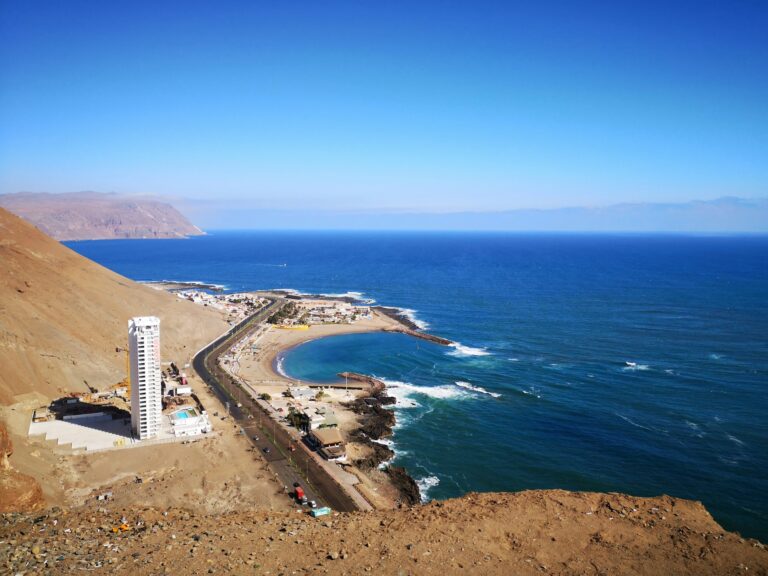
Introduction to Surfing Arica
Arica in far northern Chile is one of South America’s heaviest and most consistent surf zones, famous for powerful reef breaks and some more manageable inside reefs and beaches for intermediates and learners.
The city faces directly into long-period South Pacific swells, with dry desert climate, year-round waves, and a compact coastline where big-wave slabs sit just a short drive from softer points and beachbreaks.
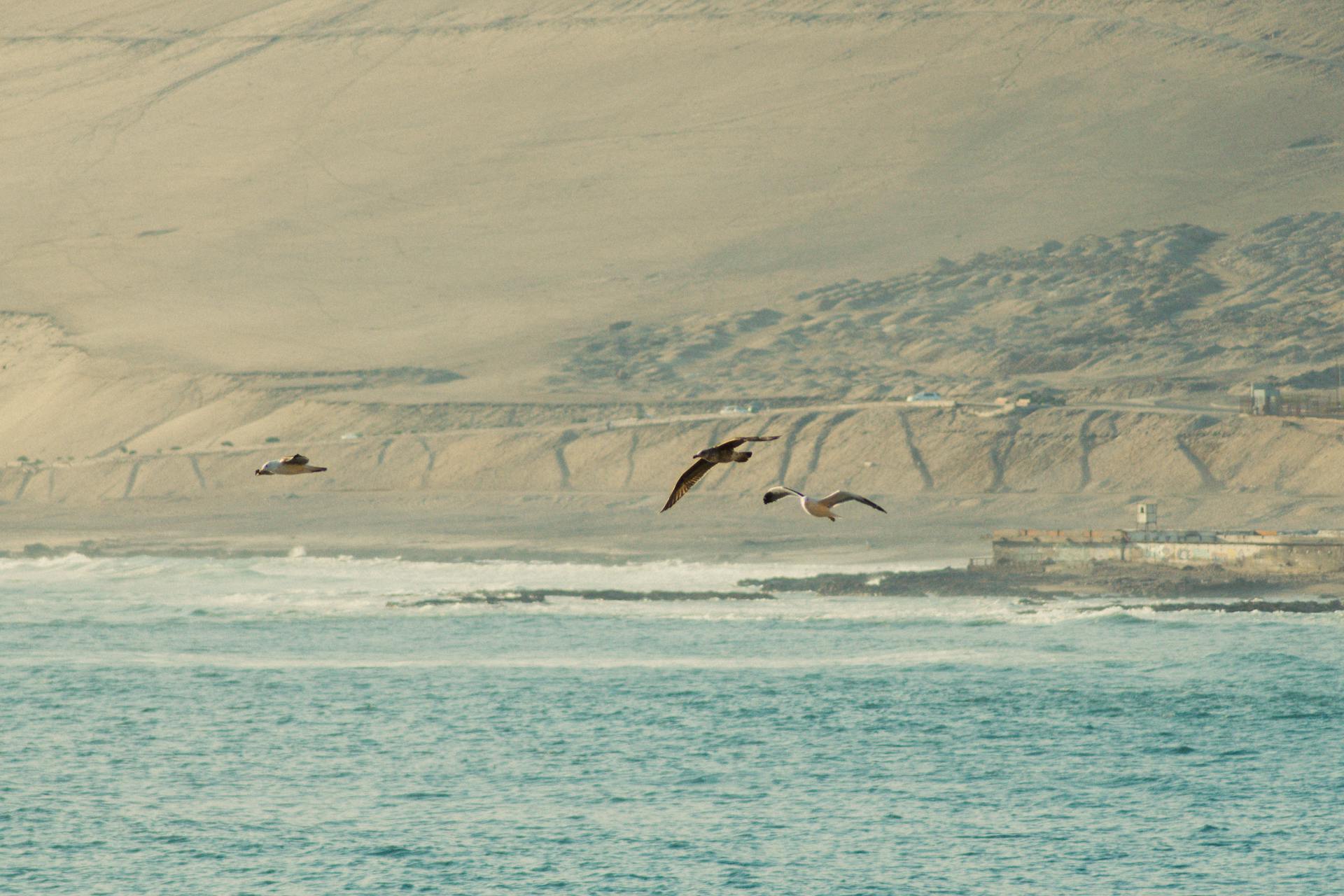
Some birds flying over Arica’s ocean with the mountain in the background.
Best Season to Surf Arica
- Winter Season – June – August: The pinnacle of surf season in Arica. This is when the long-period swells from the South Pacific are at their most powerful and consistent. It draws serious surfers from around the globe and the competitive atmosphere in the lineup reflects that.
- Summer Season – December – February: The surf quietens down considerably, making it a more accessible time for beginners and intermediate surfers to explore Arica’s breaks without feeling out of their depth. The town is livelier and the overall vibe is more relaxed, though those chasing quality waves may find the inconsistency frustrating.
- Shoulder Season – (Mar–May / Sep–Nov): An excellent window for surfers of all levels. Swells are transitioning in both shoulder periods, with autumn often delivering leftover winter power and spring offering surprise swells ahead of the main season. Crowds thin out noticeably and you can score some of Arica’s iconic breaks with far more space to yourself.
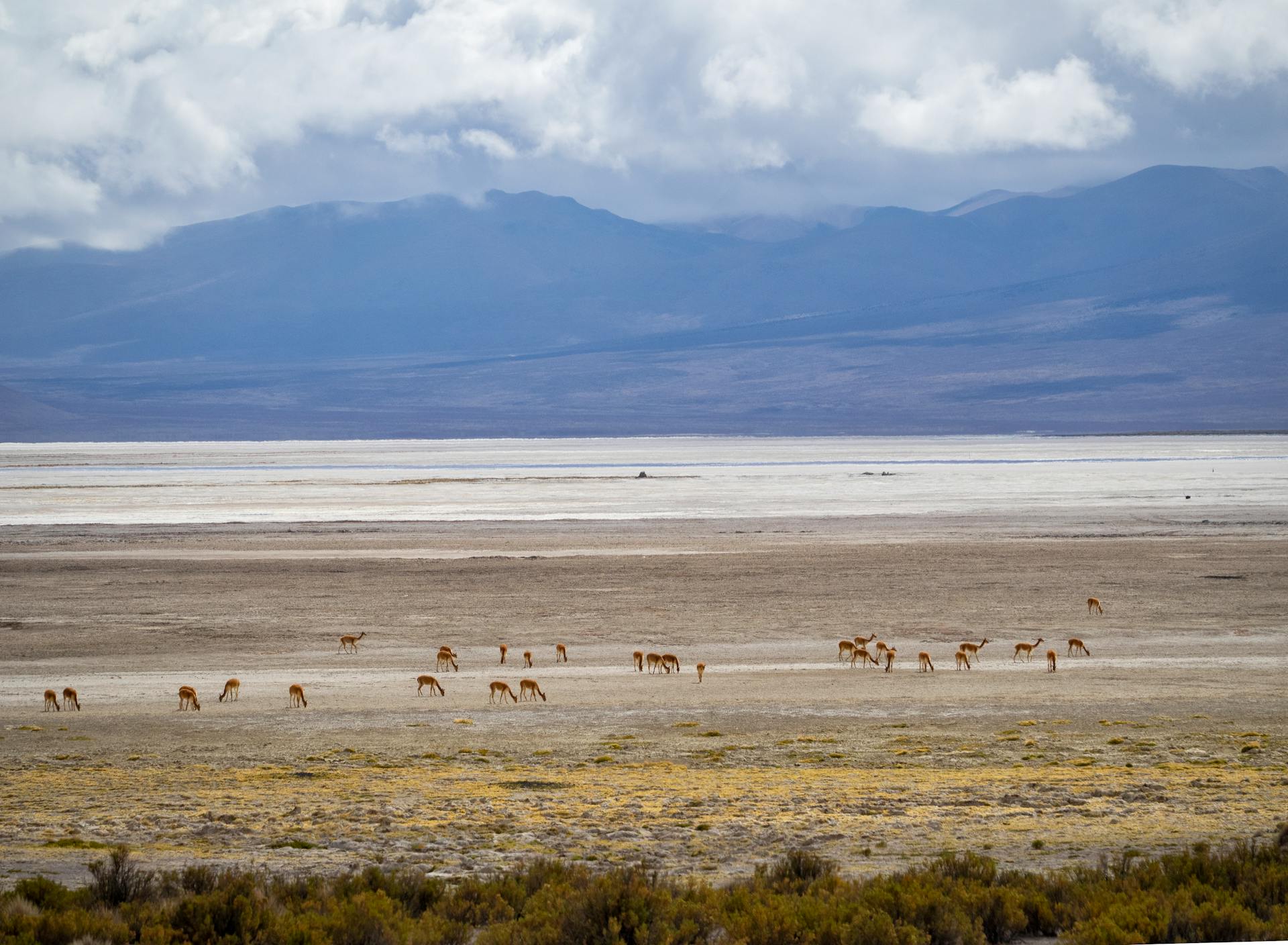
Some of the local landscapes that you can get when looking inland at the mountains.
Surf Spots and Beaches in Arica
Arica City Beaches (Las Machas & inside reefs)
Las Machas is Arica’s most approachable beachbreak, a long sandy stretch north of town where the southern end is a bit more sheltered and can suit beginners and intermediates when the big Southern Ocean swells are too intense on the main reefs.
Closer to town, a series of inside reefs and coves offer somewhat softer takeoffs and shorter walls than the outer slabs, giving progressing surfers options when flagship spots are oversized.
Some of the local waves that you can catch at Las Machas
Surf Camps and Lessons
Local surf school offering lessons, coaching, and guiding around Arica’s beaches and reefs, with a focus on safe spot choice for your level, equipment included, and transport to the breaks.
Other Things to Do in Arica
- El Morro viewpoint: Cliff‑top mirador over the city, coast, and Pacific sunsets.
- Atacama desert trips: Day tours to valleys, geoglyphs, and desert landscapes just inland.
- Seafood at the market: Fresh ceviche and local fish dishes near the port after surf sessions.
- Thermal baths: Nearby hot springs in the interior for post‑surf recovery.
- Cultural sites: Archaeological museums showcasing Chinchorro mummies and regional history.
One of the Chilean locals checking out the waves.
Conclusion on Surfing Arica
Arica is a year‑round wave magnet with some of Chile’s heaviest slabs plus more forgiving beaches like Las Machas, making it a serious destination for experienced surfers and a challenging but rewarding arena for progressing riders.
FAQ: Surf Travel to Arica
Is Arica suitable for beginners?
Absolute beginners are better off staying on softer days at Las Machas or doing structured lessons through a local school; most headline reefs are for confident intermediates and advanced surfers only.
Best wetsuit thickness for Arica?
Expect cold Humboldt‑current water; in the main season many surfers use a 4/3 mm with booties, and possibly a hood in winter, while the warmest months can be manageable in a good 3/2 mm.
How to get to Arica?
Fly from Santiago to Chacalluta Airport (Arica) then take a short taxi or transfer into town; most surf lodges can help arrange local transport to the main breaks.
Are the waves crowded?
Key slabs like El Gringo attract dedicated locals and traveling pros, but crowds are still modest compared with major surf hubs, and the coast offers multiple reefs and beach sections to spread people out.
Is travel in Arica safe?
The city is one of Chile’s more relaxed surf bases; standard big‑city precautions apply in town, while at the breaks the main safety concerns are heavy waves, sharp reef, and strong currents—go with locals or a school if unsure.
Are there other waves to improve my surfing in Chile?
Certainly! Check out our Surfing in Chile Travel Guide for a list of places that offer surf lessons and camps to get better at the sport you love, and to chase that session.