Surfing in Jeffreys Bay: Surf Camp and Travel Guide
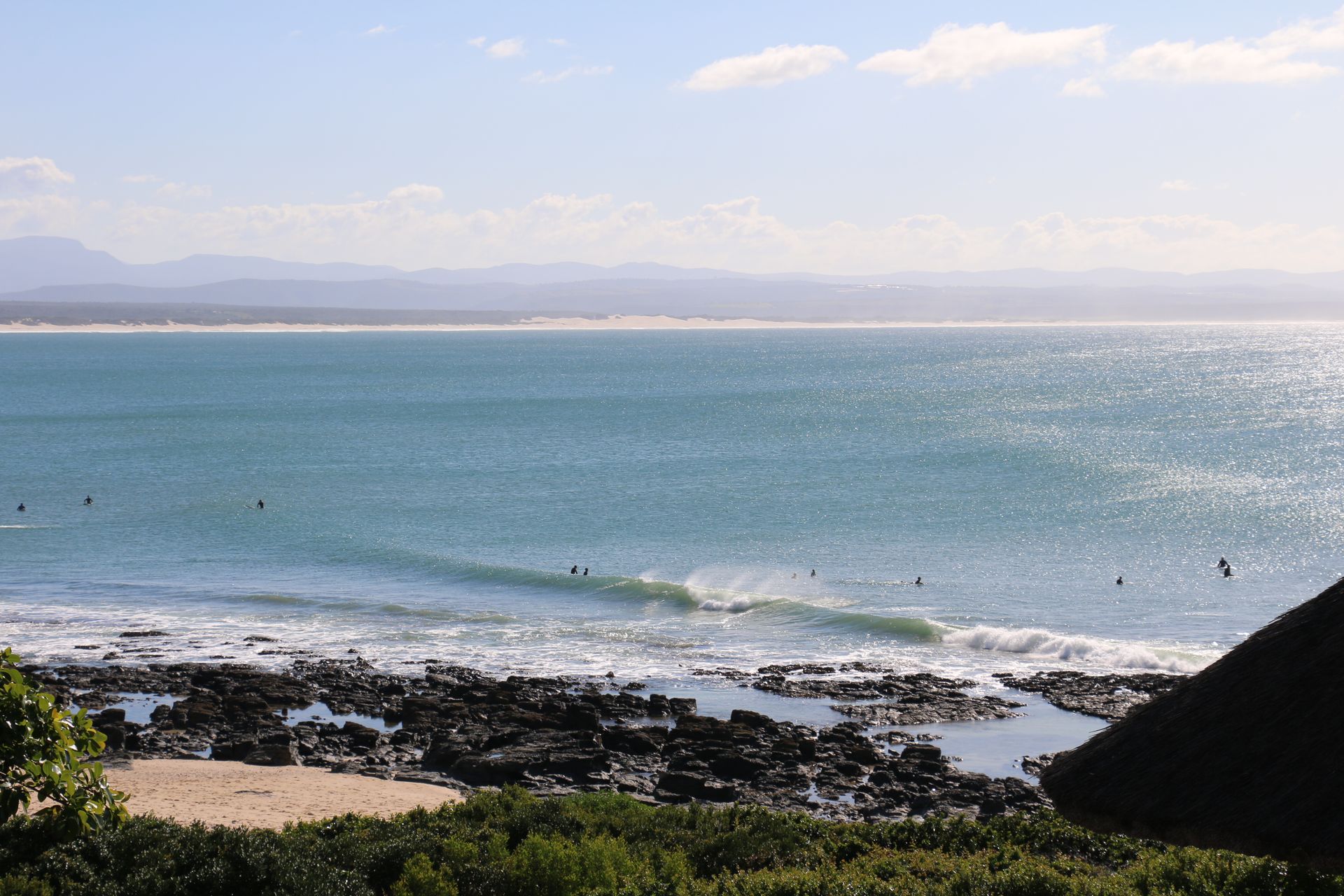
Introduction to Surfing Jeffreys Bay
Jeffreys Bay (J-Bay) is South Africa’s most famous surf destination and home to one of the world’s best right-hand point breaks, Supertubes. This Eastern Cape surf mecca delivers long, perfect waves that have hosted WSL events and drawn pilgrims for decades, with consistent Indian Ocean swells and warm water year-round.
Known simply as “J-Bay,” the town offers a perfect mix of world-class surf, surf culture, and coastal living that makes it the ultimate South African surf trip destination.
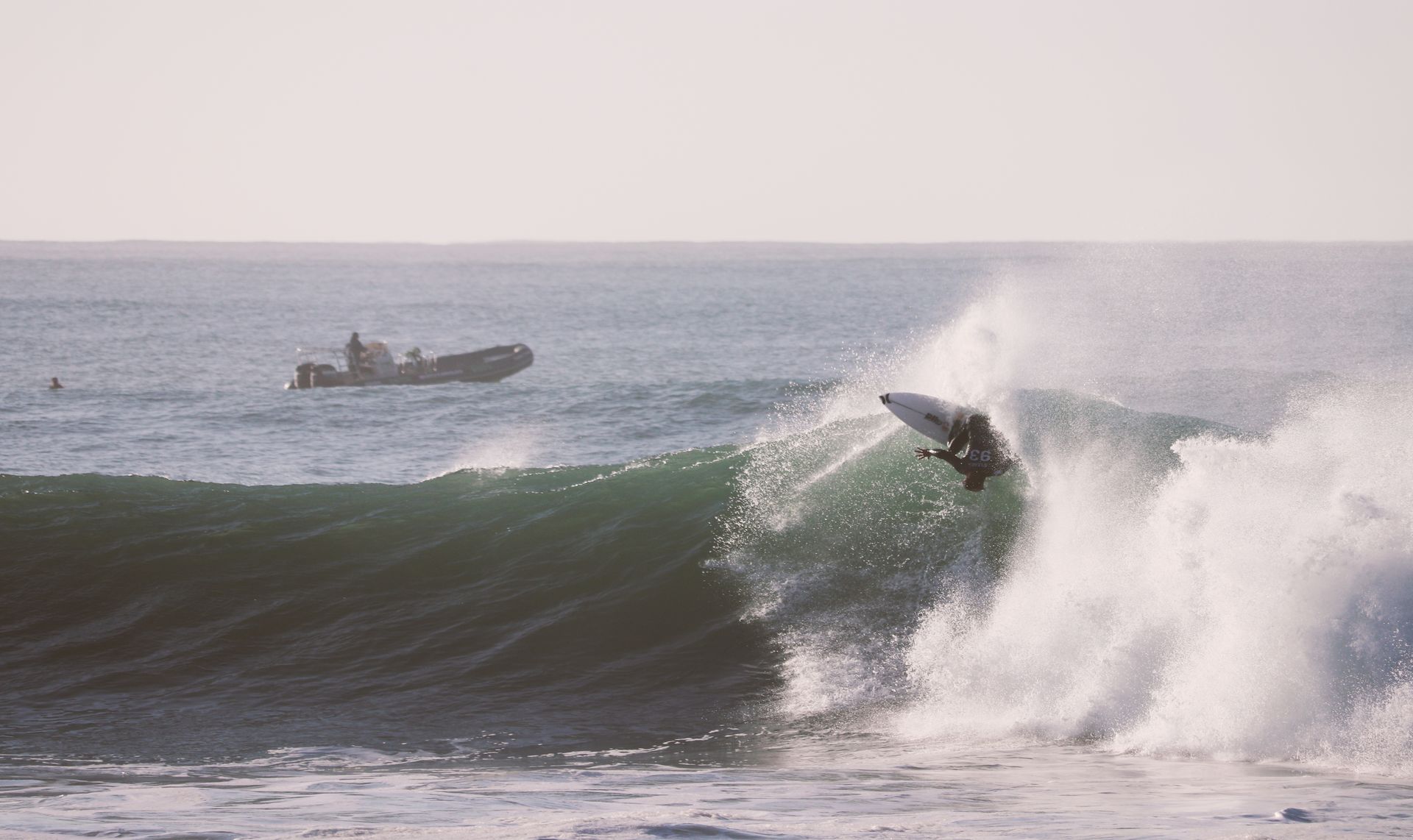
A wicked backside hack on a perfect wall in J-bay.
Best Season to Surf Jeffreys Bay
- Main Season — June to August: Jeffreys Bay is at its absolute best during the South African winter and this is the period the surf world pays attention to. The Southern Ocean delivers powerful, long-period groundswells to the Eastern Cape coastline during these months and the result at J-Bay is some of the most breathtaking right-hand point break surf on the planet.
- Shoulder Seasons — April to May and September to November: The most complete window for most travelling surfers. Autumn sees the Southern Ocean swell season building from April with improving size and consistency, while the crowds have not yet reached peak levels and the town retains a more relaxed, local atmosphere. Spring offers the mirror image which is the main season has passed but the swell is still running, the water remains cold and powerful and J-Bay in September and October has a quality that many experienced surfers consider the finest time of all to be there. Both periods give intermediate and advanced surfers exceptional conditions without the full intensity and competition for waves that July brings.
- Off Season — December to March: The summer months bring warmer air and water temperatures to the Eastern Cape but the Southern Ocean swell drops off significantly during this period. Smaller, less consistent surf and onshore conditions make it the least rewarding time for dedicated surfers, though the town and surrounding coastline remain beautiful and accessible. Beginners and those simply wanting to spend time in the water will find the more forgiving summer conditions perfectly manageable.
Surf Spots and Beaches in Jeffreys Bay
J-Bay
J-Bay is offering perfect, barreling walls that make it a perfect point break.
Average day at J-Bay, with perfect walls peeling through it.
Surf Camps and Lessons
Salted Surf offers lessons, guiding, board rentals, and packages that get you the right waves at J-Bay whether you’re a beginner or chasing Supers. Local knowledge ensures you surf the best sections for your level.
Other Things to Do in Jeffreys Bay
- Surf Museum: Jeffrey’s Bay Surf Museum celebrates SA surf history.
- Beachfront boardwalk: Dolphin watching and sunset strolls.
- Island Vlei: Kayaking and birdwatching trails.
- Surf shops: Billabong factory shop and local brands.
- Rhino hikes: Game viewing at nearby Addo Elephant Park.
Conclusion on Surfing Jeffreys Bay
Jeffreys Bay is South Africa’s surf crown jewel where Supertubes delivers world-class right-hand perfection alongside a complete spectrum of waves for all abilities. The combination of epic surf, warm water, and surf-town atmosphere makes it an essential stop for any serious surfer.
Salted Surf provides expert local guidance to help you experience the best of J-Bay safely and successfully.
FAQ: Surf Travel to Jeffreys Bay
Is it suitable for beginners?
Yes, beachbreaks like Point work well for lessons; Supers requires experience.
Water temperature?
Boardshorts weather year-round—warmest surf on the South African coast.
How crowded does J-Bay get?
Can be competitive during swell events, but plenty of sections spread surfers out.
Airport access?
Port Elizabeth Airport (75km/1hr drive) serves J-Bay perfectly.
Are there other beginner and intermediate locations with Surf Camps and Lessons in South Africa?
Definitely! There are tons of locations that provide just that. Check out our Surfing in South Africa Travel Guide.