Exploring the Surf Scene of Saint-Jean-de-Luz: Surfing Vibes and Culture
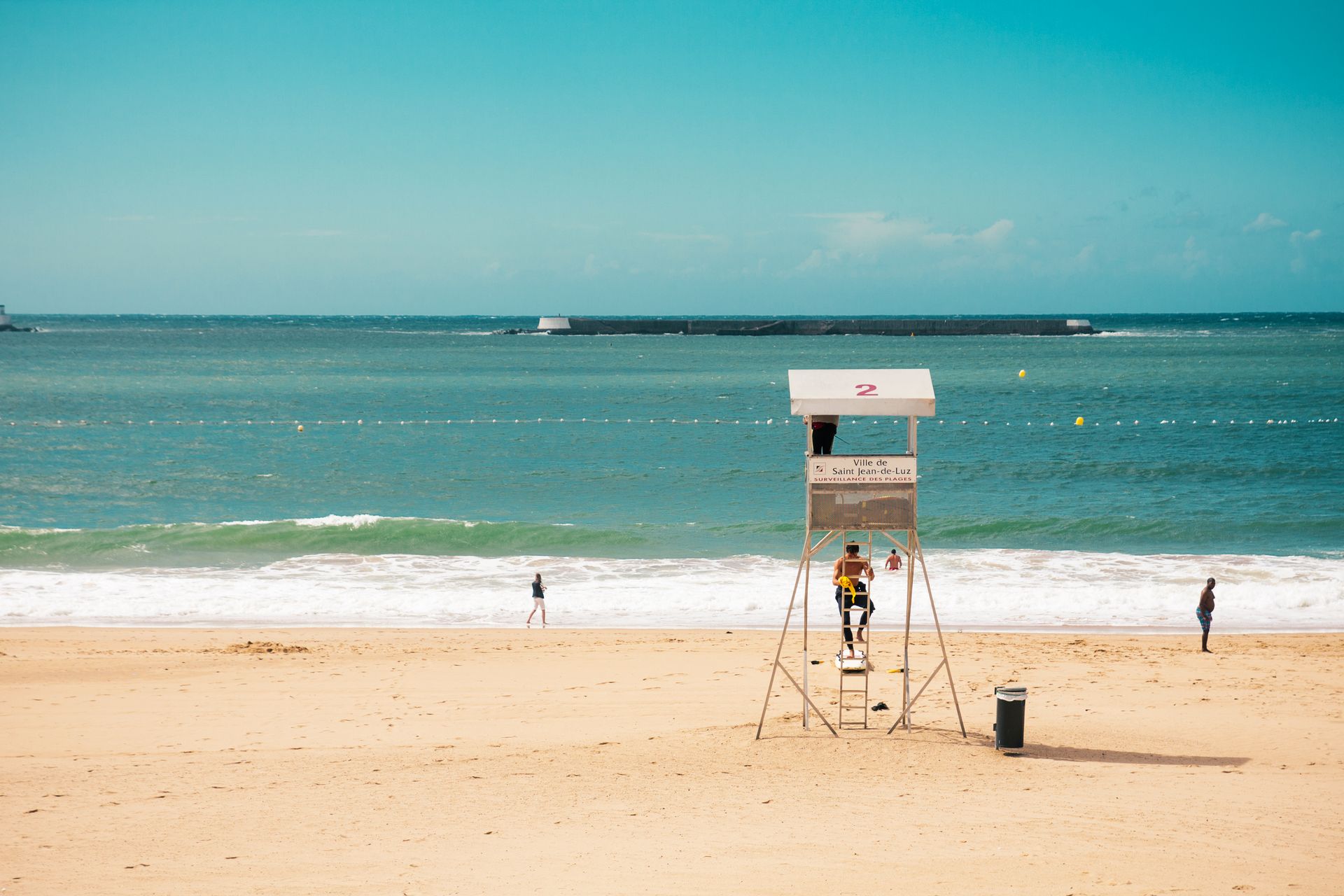
Introduction to Surfing Saint-Jean-de-Luz
Saint-Jean-de-Luz sits at the heart of the French Basque Country, tucked into a sheltered bay just a few kilometres from the Spanish border and surrounded by some of the most celebrated surf coastline in Europe. While the town itself is better known for its elegant architecture, excellent food and distinctly Basque character, it serves as a natural gateway to a stretch of Atlantic coast that has shaped French surfing culture for decades.
The breaks around Saint-Jean-de-Luz and its neighbouring beaches offer a compelling mix of accessibility and quality, although gentle enough to welcome beginners, powerful enough to satisfy experienced surfers when the swell arrives in earnest. So, in total its an area worth risking it for a session.
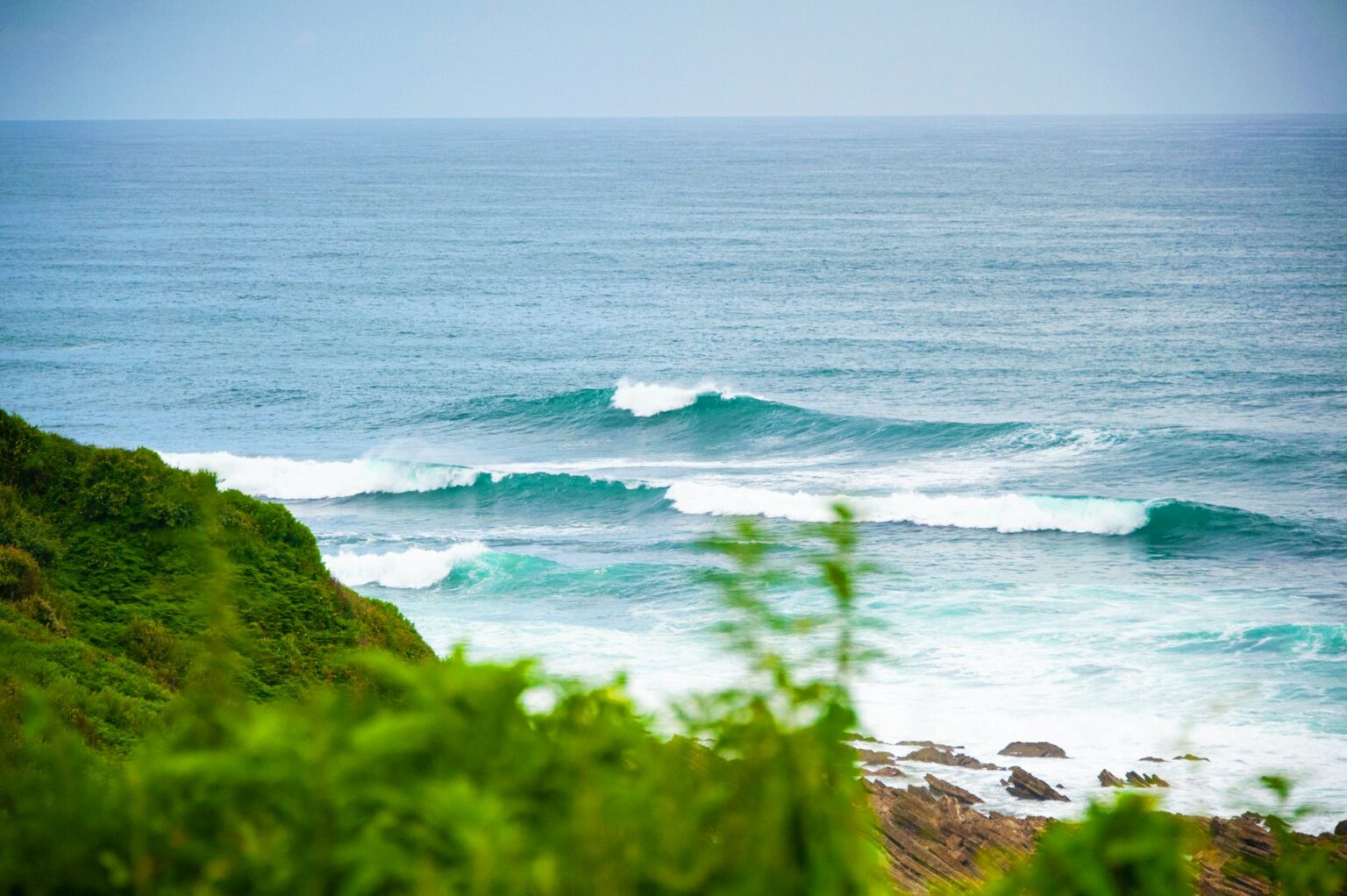
Some waves breaking along the coastline of Saint-Jean-de-Luz.
Best Season to Surf Saint-Jean-de-Luz
- Winter Season – November to March: The Bay of Biscay earns its fearsome reputation during the winter months, delivering powerful North Atlantic groundswells that light up the breaks around Saint-Jean-de-Luz with impressive regularity. The more exposed beaches to the north towards Biarritz and Hossegor bear the full brunt of the ocean during this period, but the sheltered bay at Saint-Jean-de-Luz filters and softens the swell into something more manageable without losing its energy entirely.
- Summer Season – June to August: Our beginner recommendation. Summer transforms Saint-Jean-de-Luz into one of the most vibrant and sought-after destinations on the French Atlantic coast. The town fills with visitors drawn by the combination of beautiful beaches, outstanding restaurants and the unique cultural energy of the Basque Country. Surf conditions become lighter and more forgiving during these months, with smaller, fun waves making the beaches immediately around the bay highly accessible to beginners and those in the early stages of learning.
- Shoulder Season – March to May / September to November: In most rewarding time to surf in and around Saint-Jean-de-Luz. Autumn is particularly strong the Bay of Biscay swell season builds consistently from September, bringing reliable, well-shaped waves to the region while the summer crowds have largely disappeared. Spring offers a similar balance of decent swell and pleasant conditions, making the shoulder seasons the period that serious surfers will return to time and again.
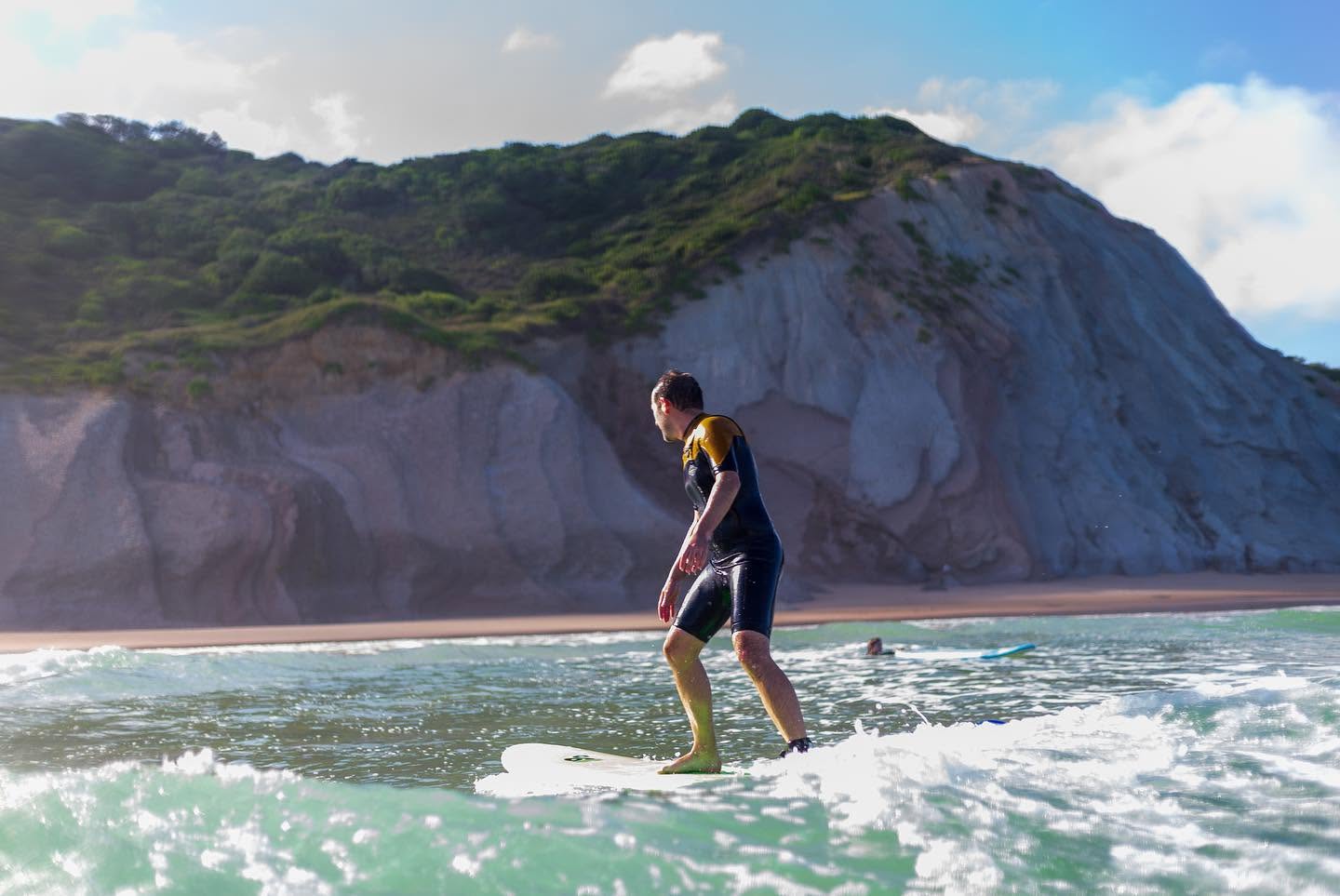
A student from Habia Surf School enjoying a wave along the coastline.
Surf Spots and Waves
The following waves are what we recommend for surf, and are both in the local area of Saint-Jean-de-Luz, and accesible, although it is highly recommended to reach out to a local surf school, such as Habia Surf School, for guided tours to these waves, as they can be dangerous for non-adept surfers.
Plage de Senix
Located just north of Saint-Jean-de-Luz, Plage de Senix, offers a perfect atmosphere for beginner surfers on smaller days. Although the waves are a little too big for beginners, you can see how it looks for yourself below!
Just some fun waves in Senix.
Plage d’Erromardie
A long strand of beach just north of Saint-Jean-de-Luz, that provides a variety of conditions, with some of them being perfect for beginner waves.
Some good rollers pictured, perfect for beginner surfers.
Recommended Surf Schools
Habia Surf School
Habia Surf School is a local, independent surf school operating across the French Basque Country, with founder and instructor, Julien taking students to the best spots along the coast. Rather than teaching from a fixed base regardless of what the ocean is doing, Julien reads the conditions each morning and goes where the surf will serve his students best. Groups are kept small and classes run across all levels, from complete beginners through to intermediates working on longboard technique and more advanced manoeuvres.
With ten years of experience on this stretch of coastline and a teaching style that is relaxed, hands-on and genuinely enthusiastic, we recommend Habia Surf School to anyone that wants a fun session while exploring the coastline!
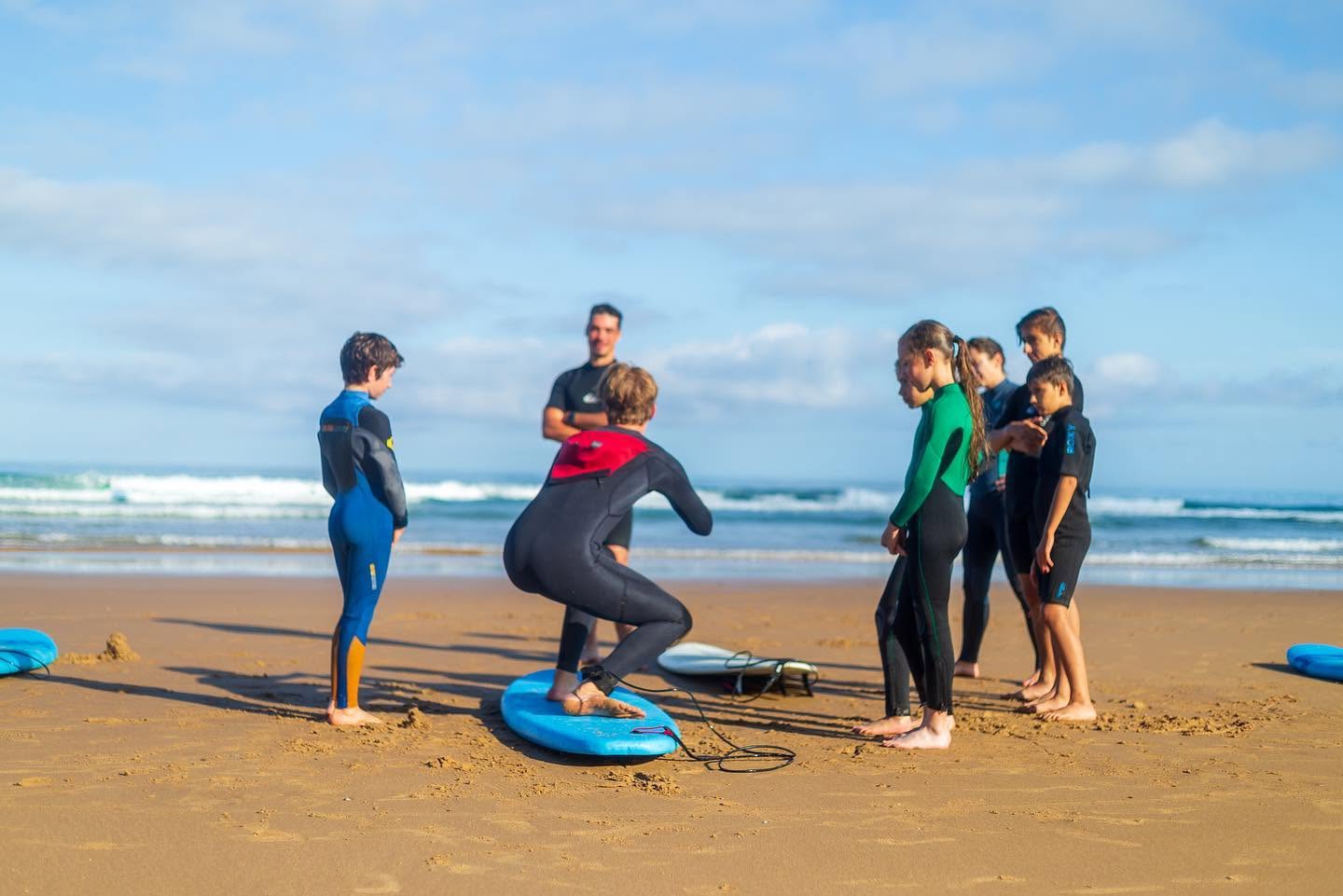
Julien, founder and instructor of Habia Surf School, teaching some groms the proper stance on a surfboard.
Other Things to Do in Saint-Jean-de-Luz
- Church of Saint-Jean-Baptiste: Famous for the wedding of Louis XIV.
- Promenade Jacques Thibaud: Stroll down the scenic beachfront boardwalk.
- Cibouri port: Fresh txangurro crab beachfront.
Conclusion on Surfing Saint-Jean-de-Luz
Saint-Jean-de-Luz occupies a unique position on the European surf map, not as a destination defined solely by its waves, but as a place where surfing sits naturally within a much richer whole. The town is genuinely beautiful, the food is among the best on the Atlantic coast, and the Basque culture that runs through every aspect of daily life here gives it a depth and authenticity.
The ocean is never far away, and the combination of accessible breaks in the bay and world-class surf within a short drive in either direction makes it one of the most versatile bases on the entire French coastline.
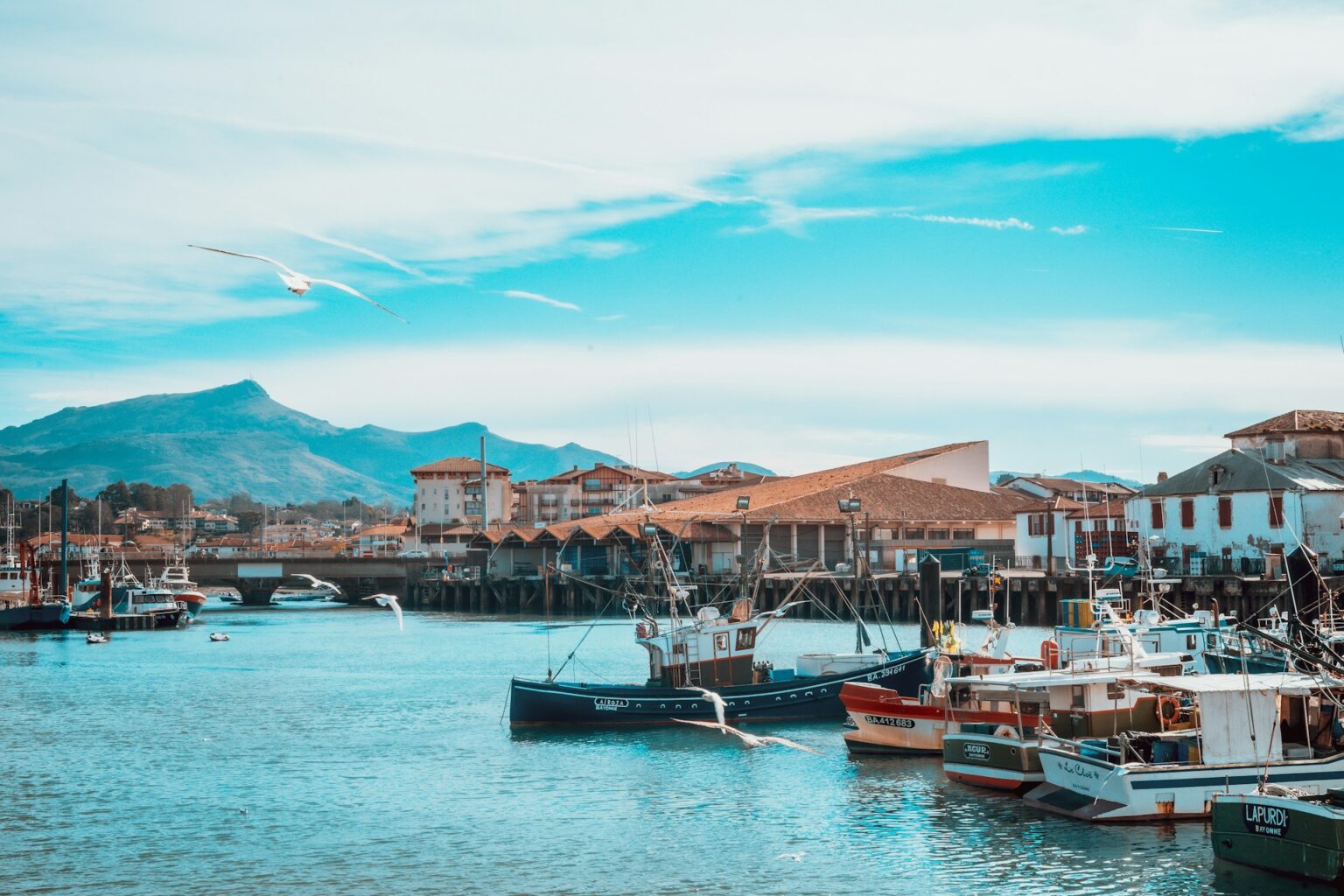
Some natural beauty of boats and houses in the Saint-Jean-de-Luz harbor.
FAQ: Surf Travel to Saint-Jean-de-Luz
Beginner headquarters?
Reach out to Habia Surf School, for the recommended daily surf spot, alongside guided tours to locations that are not easily accesible by beginners.
Wetsuit requirements?
5/4mm to 4/3mm fullsuit winter; 3/2mm or springsuit/boardshorts summer.
TGV access?
Saint-Jean-de-Luz trainstation. Biarritz TGV 25min; Bordeaux 2hr high-speed connection.
Basque surf circuit?
Saint-Jean-Hendaye-Zarautz-San Sebastián perfect 1hr triangle.
Are there other locations to surf in France?
France is filled with surf spots that have lessons and camps alike. If you’re interested, check out our Surfing in France Travel Guide.