Surfing in Cap Ferret, France: A Surf Escape with Camps and Lessons
Introduction to Surfing Cap Ferret
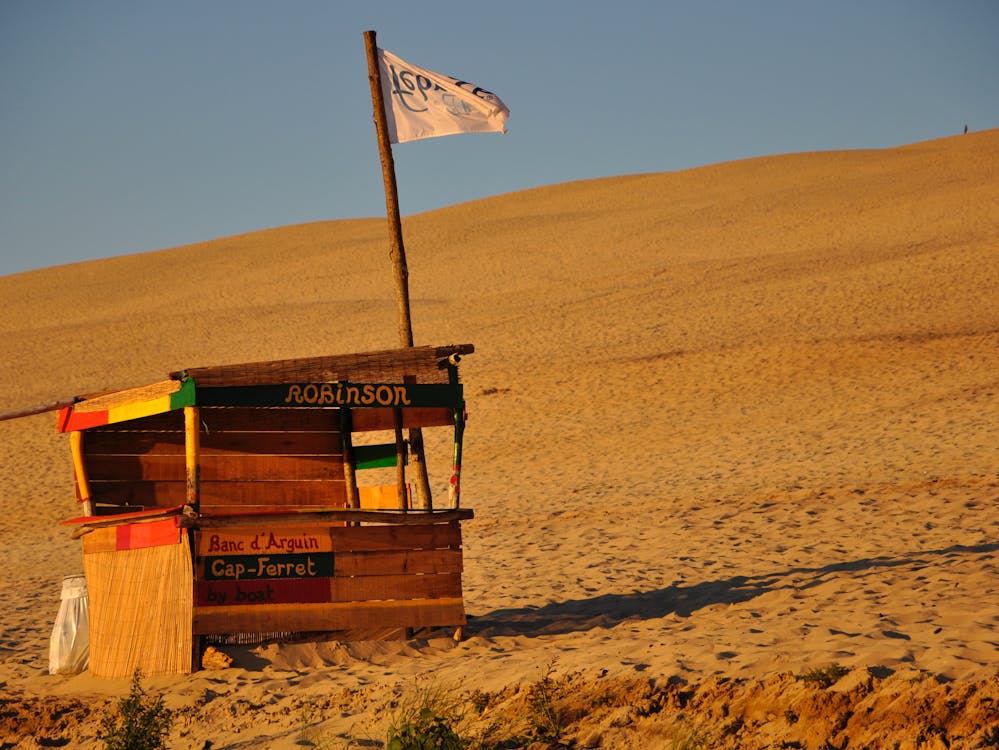
Cap Ferret is a narrow, sophisticated peninsula where the wild Atlantic Ocean meets the tranquil waters of the Bassin d’Arcachon. Known for its designer oyster shacks, towering pine forests, and high-quality sandbanks, this coastal escape offers a more refined surf experience than the high-energy hubs to the south. With a landscape shaped by powerful tides and shifting sands, Cap Ferret provides a variety of peaks that range from mellow longboard waves to heavy, hollow barrels, all set against the backdrop of the massive Dune du Pilat across the bay.
Cap Ferret represents the perfect blend of high-performance Atlantic surf and chic, French coastal living.
Best Season to Surf Cap Ferret
- The High Swell Season: May to October. This period experiences the strongest ocean energy. The waves are large and provide long rides through sections that can become hollow. The landscape is vibrant and green during these months, and the ocean is typically smooth in the early mornings.
- Beginner Recommendation – The Dry Season: December to April. This is the ideal time for organized conditions and more manageable waves. The offshore winds are constant and the weather remains clear for long periods. It is an excellent season for intermediate surfers to practice on the beach breaks.
- General Recommendation – The Transition Months: April and November. These months provide a useful combination of good waves and pleasant weather. You can often experience the first significant swells of the year while enjoying sunny conditions.
Surf Spots and Beaches in Cap Ferret
Plage des Dunes
Located on the northern stretch of the peninsula, Plage des Dunes is widely considered the most consistent surf spot in the area. This wild, expansive beach is famous for its powerful A-frame peaks that work best on a mid-to-high tide. Because the sandbanks here are constantly shifting, the wave can vary from a fun, workable wall to a heavy, fast-breaking barrel during larger Atlantic swells. It is a classic Landes-style beach break—raw, tide-dependent, and framed by stunning natural dunes.
A premier Atlantic spot where the quality of the sandbanks attracts both local rippers and traveling surfers alike.
Surf Camps and Lessons
Operating out of the iconic Grand Crohot and Petit Crohot beaches, the Surf Center offers a professional and friendly environment for all levels. Their coaching focuses on ocean safety and technical progression, ensuring students can confidently navigate the Atlantic swells.
Alex Surf School provides a personalized approach to surfing on the peninsula. With a deep knowledge of the local sandbanks, Alex and his team tailor their lessons to find the best possible conditions for each student’s skill level, from first-timers to advanced riders.
Other Things to Do in Cap Ferret
- Oyster Tasting: Visit the authentic “cabanes” in the oyster-farming villages like L’Herbe for fresh seafood and local wine.
- Le Phare du Cap Ferret: Climb the lighthouse for panoramic views of the peninsula, the basin, and the Atlantic horizon.
- Bassin d’Arcachon Boat Trip: Rent a pinasse (traditional boat) to explore the Bird Island and the famous tchanquées houses.
- Cycling the Pine Forest: Utilize the 50km+ of dedicated cycle paths that weave through the peninsula’s maritime pines.
- Dune du Pilat Excursion: Take a short ferry ride across the basin to climb Europe’s tallest sand dune.
Conclusion on Surfing Cap Ferret
Cap Ferret offers a unique surf travel experience that balances the raw power of the Atlantic with the sophisticated charm of the Bassin d’Arcachon. It is a destination where you can spend your morning hunting for barrels at Plage des Dunes and your afternoon enjoying fresh oysters by the water.
With expert guidance from schools like the Surf Center and Alex Surf School, surfers can safely enjoy the peninsula’s high-quality peaks while immersing themselves in its one-of-a-kind lifestyle.
FAQ: Surf Travel to Cap Ferret
Is Cap Ferret suitable for beginners?
Yes, while the Atlantic can be powerful, the summer months offer smaller, more manageable conditions. Always stick to the flagged zones patrolled by lifeguards.
What is the best way to get around?
The bicycle is the king of transport in Cap Ferret. The peninsula is flat, and the cycle paths are the most efficient way to hop between the basin and the surf beaches.
Are the tides important?
Extremely. Many spots on the peninsula “shut down” at low tide and work best as the tide fills in. Check a local tide chart before heading out.
What is the water temperature?
In summer, expect 20-22°C (68-72°F). A 3/2mm fullsuit or a 2mm shorty is usually the go-to choice for most surfers.
Where is the nearest airport?
Bordeaux-Mérignac (BOD) is the closest major airport, approximately a 1-hour drive from the tip of the peninsula.
Are there other locations to do a Surf Camp or take a lesson in France?
Check out our Surfing in France Travel Guide if you’re interested in checking out other surfing locations.