Surfing in Punta del Diablo, Uruguay: Surf Lessons and Travel Guide
Introduction to Surfing Punta del Diablo
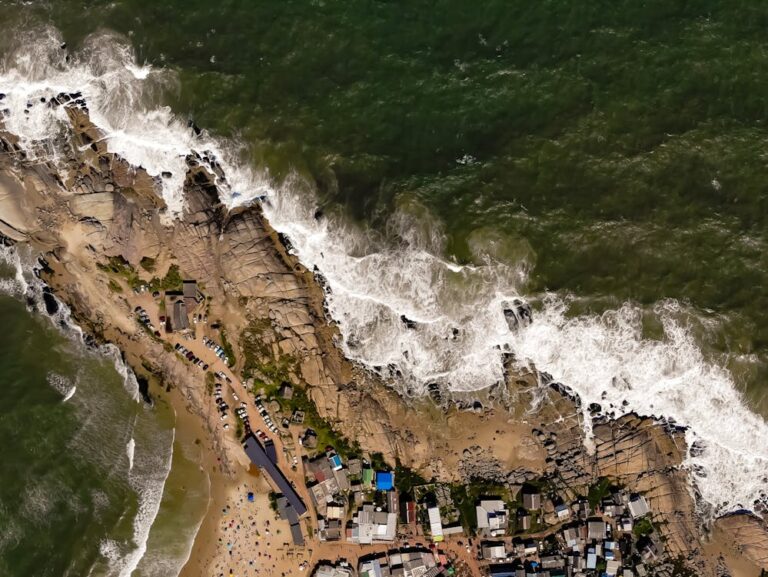
Punta del Diablo is a vibrant and rustic fishing village located on the rugged Atlantic coast of Rocha, Uruguay, near the Brazilian border. Once a quiet hamlet for shark fishermen, it has transformed into one of South America’s most iconic surfing destinations while managed to retain its colorful, bohemian soul. The village is defined by its wooden cabins, sandy streets, and three main bays that face the powerful Southern Atlantic. Surfing here is a raw and communal experience; the line-ups are filled with a mix of local chargers and travelers, all drawn to the consistent groundswells and the town’s legendary “tranquilo” atmosphere.
Punta del Diablo is the definitive choice for surfers seeking a wild, off-the-grid coastal experience, consistent Atlantic peaks, and a deep connection to Uruguay’s seafaring heritage.
Best Season to Surf Punta del Diablo
- The High Swell Season: May to October. This period experiences the strongest ocean energy. The waves are large and provide long rides through sections that can become hollow. The landscape is vibrant and green during these months, and the ocean is typically smooth in the early mornings.
- Beginner Recommendation – The Dry Season: December to April. This is the ideal time for organized conditions and more manageable waves. The offshore winds are constant and the weather remains clear for long periods. It is an excellent season for intermediate surfers to practice on the beach breaks.
- General Recommendation – The Transition Months: April and November. These months provide a useful combination of good waves and pleasant weather. You can often experience the first significant swells of the year while enjoying sunny conditions.
Surf Spots and Beaches in Punta del Diablo
Punta del Diablo Beach (Playa de los Pescadores & Playa del Rivero)
The surfing in Punta del Diablo is centered around two primary bays: Playa de los Pescadores and Playa del Rivero. Playa del Rivero is the most consistent spot, offering a reliable right-hand point break that peels off the rocky headland. It produces well-structured, workable walls that are perfect for all skill levels. To the south, the main beach near the fishing boats offers punchy beach break peaks that shift with the sandbars. Because of the cape’s unique shape, you can often find a corner that is protected from the prevailing winds. The waves perform best on a mid-to-high tide, providing long rides that glide toward the colorful shacks lining the shore.
A picturesque and high-energy Atlantic bay where the colorful fishing boats and consistent right-handers create a world-class surfing environment.
Surf Lessons and Camps
Wannasurf is a dedicated surf school located in the heart of Punta del Diablo, focused on sharing the authentic Uruguayan surf lifestyle. Their experienced local instructors provide personalized coaching that emphasizes ocean safety, wave reading, and technical progression. Whether you are catching your very first wave in the whitewater of Playa del Rivero or looking to improve your bottom turn, Wannasurf offers a professional and welcoming environment that captures the adventurous spirit of the Rocha coast.
Other Things to Do in Punta del Diablo
- Santa Teresa National Park: Explore this massive coastal park featuring a historic fortress, botanical gardens, and miles of secluded surf beaches.
- Cerro de los Burros: Hike to the nearby viewpoints for a panoramic look at the Atlantic coastline and the inland palm forests.
- Artisanal Market: Stroll through the village center to find unique handmade crafts, local jewelry, and traditional Uruguayan artwork.
- Fresh Seafood: Visit the “puestos” at the water’s edge to try the catch of the day, including the famous local seaweed fritters (buñuelos de algas).
- Laguna Negra: Take a short trip to this expansive “Black Lagoon” for bird watching and to see the unique wetland ecosystems of eastern Uruguay.
Conclusion on Surfing Punta del Diablo
Punta del Diablo offers a surf experience that feels like a journey back in time, where the rhythm of the day is dictated solely by the swell and the wind. Its consistent right-handers and the expert guidance of schools like Wannasurf make it a premier destination for those looking for high-quality waves in a rustic, spectacular natural setting.
Whether you are carving through a clean morning swell at Rivero or enjoying an asado with locals after a session, Punta del Diablo provides a profound connection to the ocean and the soulful spirit of South American surf travel.
FAQ: Surf Travel to Punta del Diablo
Is Punta del Diablo suitable for beginners?
Yes, Playa del Rivero is one of the most user-friendly spots in the region. The waves are generally well-structured and the sandy bottom provides a safe environment for those learning to stand up.
What is the water temperature?
In summer (January to March), the water ranges from 20°C to 23°C (68-73°F). In winter, it can drop to 12°C (54°F). A 3/2mm wetsuit is perfect for summer, but a 4/3mm is highly recommended for the rest of the year.
Is the beach patrolled?
Yes, during the peak summer months (December to February), the main surfing beaches have professional lifeguard supervision.
How do I get there from Montevideo?
Punta del Diablo is approximately a 4-hour drive east from Montevideo. Direct bus services run regularly from the Tres Cruces terminal and are a popular way for travelers to reach the village.
Can I surf at low tide?
Most spots in the area, particularly the point at Rivero, perform much better from mid-tide to high tide. At very low tide, the waves can become shallow and tend to “close out” more easily.
Are there other locations to do a Surf Camp or take a lesson in Uruguay?
Check out our Surfing in Uruguay Travel Guide if you’re interested in checking out other surfing locations.