Surfing near Venice: The Jesolo Lido Coastline Full of Surf
Introduction to Surfing Lido di Jesolo
Jesolo Lido is a premier coastal destination in the Veneto region, located just a short distance from the historic canals of Venice. Known for its extensive golden beaches, vibrant nightlife, and the iconic lighthouse that stands at the mouth of the Sile River, Jesolo has become the focal point for surfing in the Upper Adriatic. The town’s coastline is uniquely characterized by a series of long stone jetties—locally known as “pontili”—which play a crucial role in shaping the incoming swells into clean, organized peaks. Surfing in Jesolo offers a distinctive Northern Italian experience: a blend of high-energy seaside culture and the rhythmic, technical challenges of Adriatic wave riding, all set against a wide horizon of deep blue water.
Jesolo is the definitive choice for surfers seeking consistent Adriatic peaks, a lively resort atmosphere, and the unique opportunity to combine a surf trip with a visit to the most beautiful city in the world.
Best Season to Surf Lido di Jesolo
- The High Swell Season: May to October. This period experiences the strongest ocean energy. The waves are large and provide long rides through sections that can become hollow. The landscape is vibrant and green during these months, and the ocean is typically smooth in the early mornings.
- Beginner Recommendation – The Dry Season: December to April. This is the ideal time for organized conditions and more manageable waves. The offshore winds are constant and the weather remains clear for long periods. It is an excellent season for intermediate surfers to practice on the beach breaks.
- General Recommendation – The Transition Months: April and November. These months provide a useful combination of good waves and pleasant weather. You can often experience the first significant swells of the year while enjoying sunny conditions.
Surf Spots and Beaches in Jesolo
Jesolo Lido (The Pontili)
The heart of surfing in Jesolo is centered around the numerous stone jetties that punctuate the shoreline. These structures act as natural stabilizers for the sandy seabed, focusing Mediterranean groundswells into reliable left and right peaks. The most famous spot is near the Lighthouse (Il Faro), where the interaction between the river mouth and the sea creates particularly consistent and well-shaped waves. On days with a strong “Bora” (northeast) or “Scirocco” (southeast) swell, the waves here offer long, workable walls that are perfect for performance shortboarding and classic longboarding. The sandy bottom ensures a safe and predictable environment, while the jetties provide a helpful reference point for positioning in the lineup.
A majestic Adriatic beach where the golden sands and consistent pulses from the sea create a world-class environment for every session along the Venetian coast.
Surf Lessons and Camps
Lido Surf Club is the premier institution for wave riding in the Jesolo area. Their professional team offers a range of programs from introductory lessons for beginners to technical coaching for advanced riders. They emphasize ocean safety, the fundamental mechanics of surfing, and a deep appreciation for the unique Adriatic environment. With high-quality equipment rentals and a clubhouse that serves as a central hub for the local surf community, Lido Surf Club provides an expert and welcoming gateway to the waves. Their instructors are experts at reading the local “pontili” sandbanks, ensuring that students are always positioned in the best possible conditions for their skill level.
Other Things to Do in Jesolo
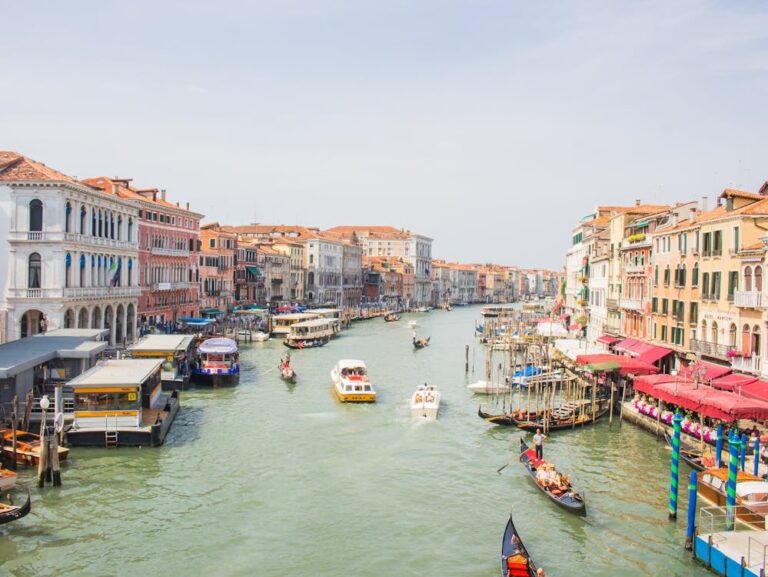
- Venice Excursion: Take a short ferry ride from nearby Punta Sabbioni to experience the unparalleled art and history of the Floating City.
- Jesolo Lighthouse (Il Faro): Visit this iconic landmark for a walk along the pier and stunning views of the Adriatic sunset.
- Caribe Bay: Spend a day at this award-winning themed water park, known as one of the best in Europe.
- Cycling the Lagoon: Rent a bike and explore the tranquil trails of the Lio Piccolo area, where you can see pink flamingos and traditional fish farms.
- Venetian Gastronomy: Savor local specialties like “Sarde in Saor” and fresh seafood risotto in the traditional trattorias along the Jesolo promenade.
Conclusion on Surfing Lido di Jesolo
Jesolo Lido offers a quintessential Adriatic surf experience, balancing consistent wave energy with the vibrant charm of one of Italy’s most famous seaside resorts. The reliability of the peaks created by the stone jetties and the professional guidance of the Lido Surf Club make it a premier destination for those seeking quality waves in an accessible and culturally rich setting.
Whether you are carving through a clean morning swell or enjoying the lively atmosphere of the town after a session, Jesolo provides a profound connection to the sea and the athletic spirit of Venetian surf travel.
FAQ: Surf Travel to Jesolo
Is Jesolo suitable for beginners?
Yes, the sandy bottom and the organized peaks near the jetties make it an excellent place to learn, especially during the smaller, cleaner swells of the transition months.
What is the water temperature?
In summer, the water ranges from 23°C to 26°C (73-79°F). In winter, it can drop to 10°C (50°F). A 3/2mm wetsuit is ideal for the shoulder seasons, while a 5/4mm with boots is necessary for winter groundswells.
How do I get there from Venice?
Jesolo is approximately a 45-minute drive from Venice Marco Polo Airport. It is also easily accessible via public bus or a combination of ferry and bus from the Venice city center.
Is the beach patrolled?
Yes, during the peak summer months (June to September), the beach areas in Jesolo have professional lifeguard supervision.
Can I surf at low tide?
Tidal movements in the Adriatic are more noticeable than in other parts of Italy, but surfing is still possible throughout the day. Local wave quality depends much more on wind direction and swell energy than on the tide.
Are there other locations to do a Surf Camp or take a lesson in Italy?
Check out our Surfing in Italy Travel Guide if you’re interested in checking out other surfing locations.