Surfing in Gotland: Surf Sweden’s Mystical Island
Introduction to Surfing Gotland
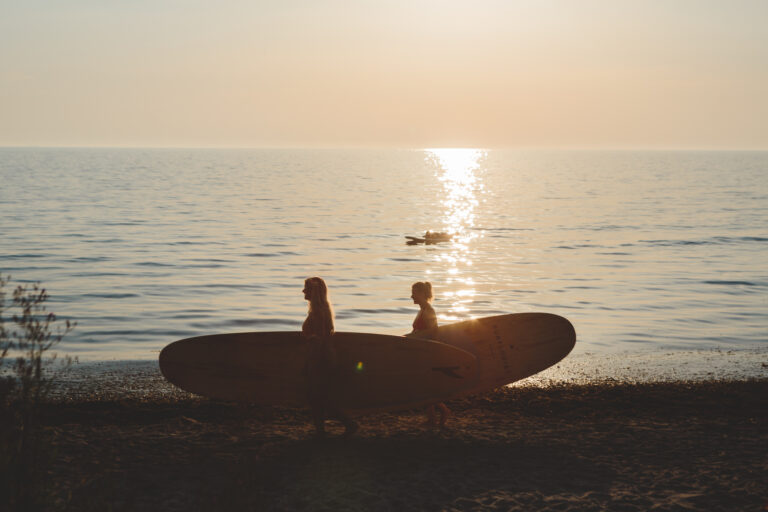
Gotland, Sweden’s largest island, is a mystical and historic destination anchored in the center of the Baltic Sea. Known for its medieval architecture, iconic “Raukar” limestone formations, and a sun-drenched landscape of wildflower meadows, Gotland offers a surfing experience that feels entirely distinct from the North Sea or Atlantic. Because of its mid-sea position, the island acts as a magnet for wind-driven swells from multiple directions, making it one of the most versatile surf hubs in Scandinavia.
It is a place where the long summer days provide endless sessions and the dramatic winter storms create powerful conditions. Gotland offers a unique blend of high-performance surfing and a tranquil, historic atmosphere, attracting those who seek adventure in a crisp and culturally rich environment.
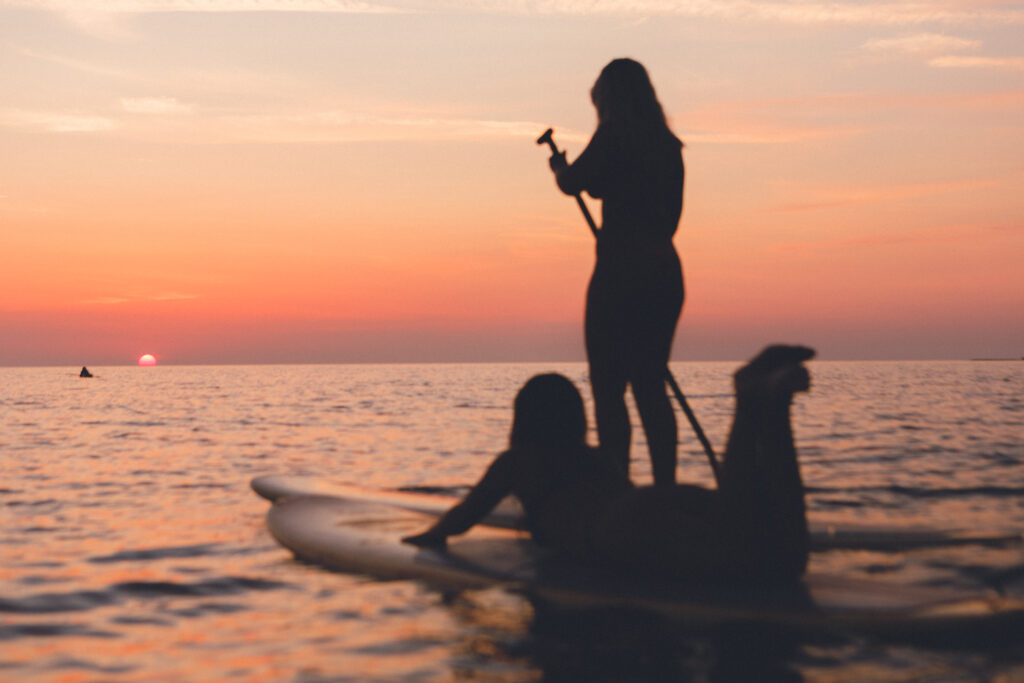
Surflogiet providing some moments for surfers to take a paddle during a perfect sunset.
Best Season to Surf Gotland
- The Swell Season: October to March. This period experiences the strongest Baltic energy. The swells are more frequent in autumn and winter gales. The offshore winds are more common, though the water and air temperatures require high-quality winter gear.
- Beginner Recommendation – The Summer Season: June to August. This is the ideal time for manageable waves and warmer conditions, although the waves themselves are hit or miss. The waves are generally smaller and softer, providing an excellent environment for first-timers and intermediate surfers to practice on the long sandy stretches.
- General Recommendation – The Transition Months: April, May, and October. These months provide a useful combination of decent wave frequency and more pleasant weather.
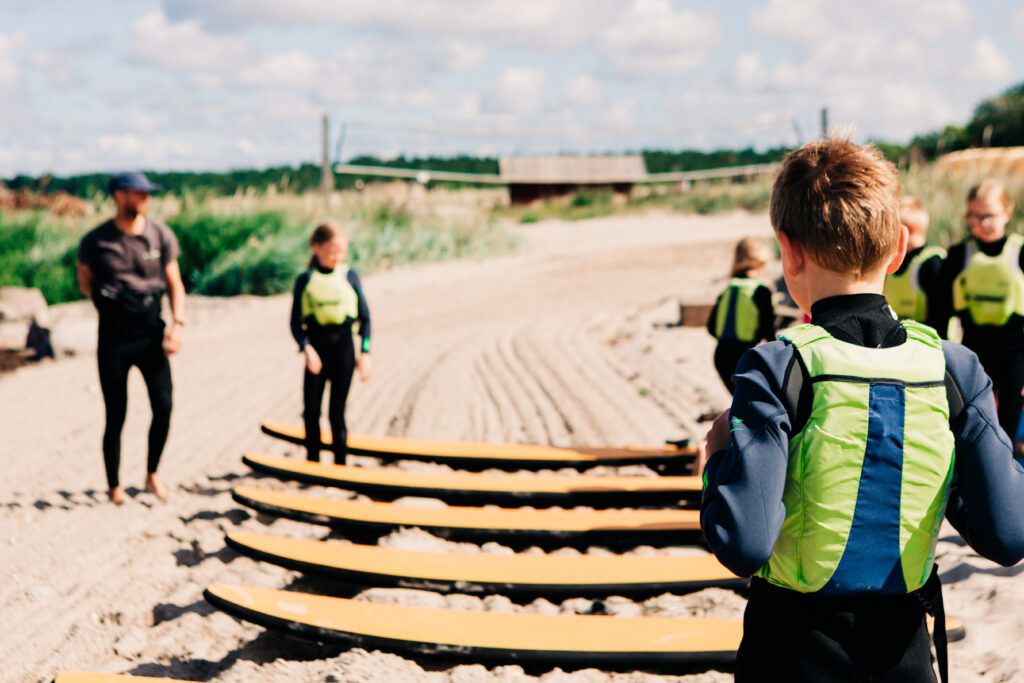
A Surflogiet group learning the ropes of surfing.
Surf Spots and Beaches in Gotland
Variety of Beaches
The surfing in Gotland is spread across a diverse coastline featuring everything from sandy beach breaks to rocky points. Because the island is exposed on all sides, surfers can almost always find a spot that is “working” depending on the wind direction. Popular areas like Tofta, Ekeviken, and various spots along the southern tip offer a range of left and right peaks. The “Raukar” coast provides a dramatic backdrop where the limestone pillars help organize the incoming energy. The variety of the sea floor—ranging from sand to cobblestone—ensures that there is a wave for every skill level and board preference.
A nice little video of Surflogiet teaching people how to surf on Gotland, Sweede
An adventurous film showcasing the potential of Gotland, Sweden.
Surf Lessons and Camps
Surflogiet is a premier surf and lifestyle center on Gotland, dedicated to providing a professional and deeply sustainable gateway to the island’s waves. Located right on the beach, this center offers high-quality surf coaching that emphasizes safety, technical progression, and a deep respect for the Baltic environment.
Their team of certified instructors provides lessons for all ages and skill levels, from beginners catching their first waves to intermediate riders looking to refine their technique. With top-tier rental equipment, a focus on “glamping” style accommodation, and a welcoming community atmosphere, Surflogiet provides an expert gateway to the waves, perfectly capturing the active and free-spirited essence of Gotland life.
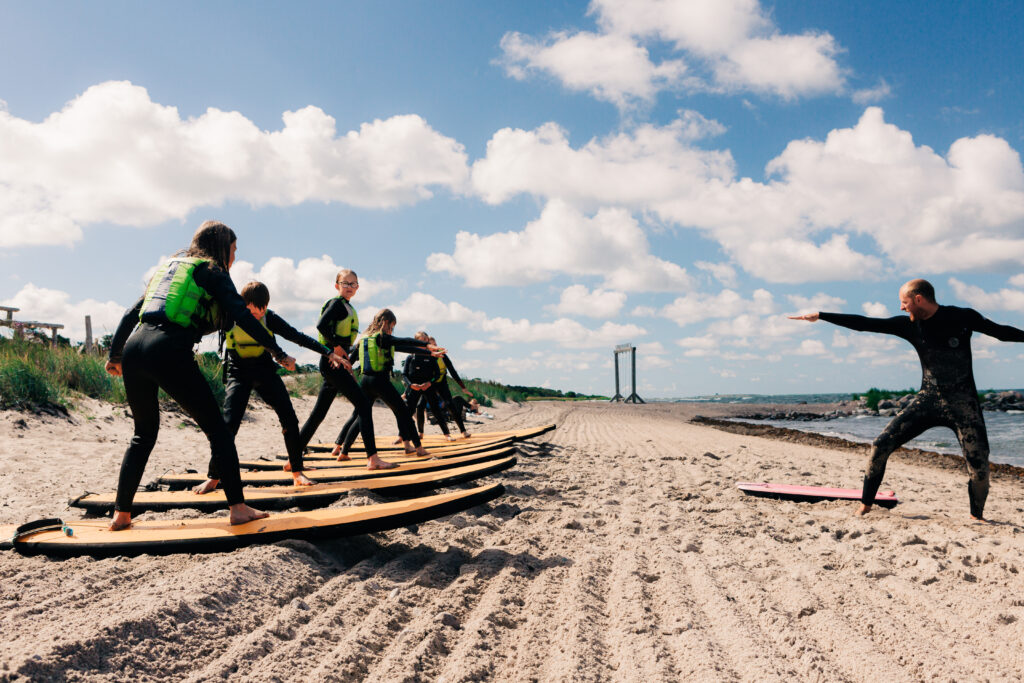
A handful of beginners getting their first surf lessons from Surflogiet.
Other Things to Do in Gotland
- Visby Old Town: Explore this UNESCO World Heritage site, a remarkably well-preserved medieval town surrounded by a 13th-century stone wall.
- The Raukar of Fårö: Take a short ferry to the neighboring island of Fårö to see the massive limestone sea stacks made famous by filmmaker Ingmar Bergman.
- Lummelunda Cave: Discover the subterranean beauty of one of Sweden’s longest caves, featuring impressive stalactites and fossil remains.
- Island Cycling: Rent a bike to explore the flat, scenic paths that wind through coastal dunes and historic fishing villages.
- Gotland Museum: Learn about the island’s rich Viking history and see the incredible collection of ornate picture stones.
Conclusion on Surfing Gotland
Gotland offers a quintessential Swedish surf experience, balancing consistent Baltic wave energy with the serene and historic beauty of the island landscape. The reliability of its diverse coastline and the professional expertise of Surflogiet make it a premier destination for those seeking quality waves in a vibrant and authentic island setting.
Whether you are carving through a clean morning swell or exploring the medieval streets of Visby after a session, Gotland provides a profound connection to the sea and the adventurous spirit of Scandinavian surf travel.
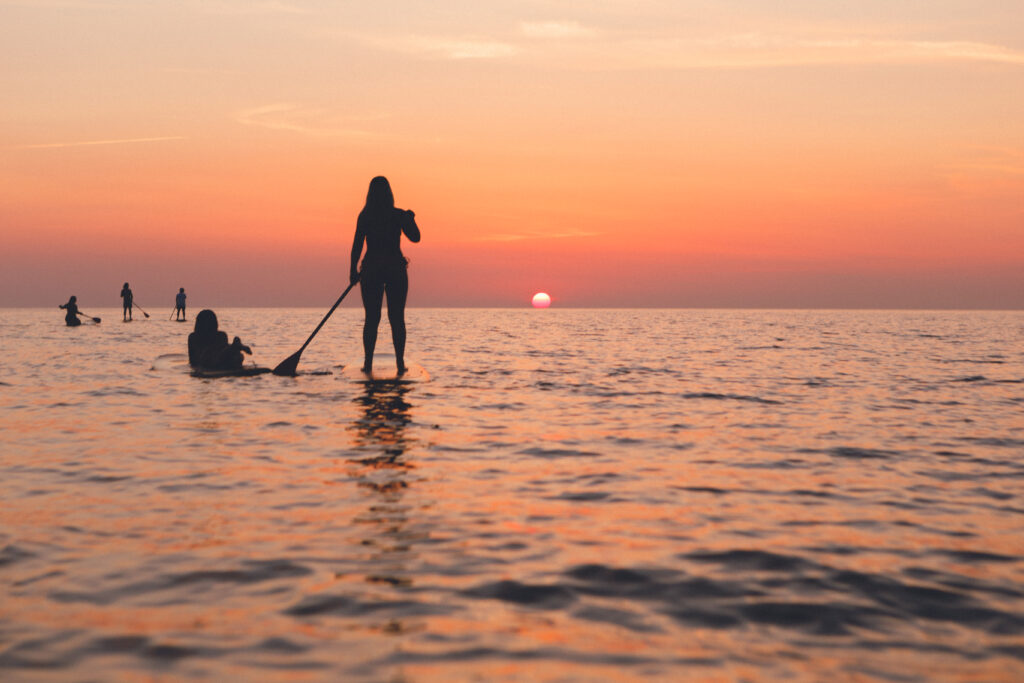
The worst case scenario in Gotland, is you only manage to have a beautiful SUP session paddling across the water. Photo by Surflogiet.
FAQ: Surf Travel to Gotland
Is Gotland suitable for beginners?
Yes, the sandy beach breaks and the professional, safety-oriented coaching at Surflogiet make it an excellent and safe place for beginners to learn, especially during the calmer summer months.
What is the water temperature?
In summer, the water ranges from 16°C to 20°C (61-68°F). In winter, it can drop to 2°C (36°F). A 3/2mm or 4/3mm wetsuit is ideal for spring and autumn, while a thick 5/4mm or 6/5mm with boots, gloves, and a hood is required for winter.
How do I get there?
Gotland is reached by ferry from Nynäshamn or Oskarshamn on the mainland, or by flight to Visby from Stockholm and other Swedish cities. A car is recommended for exploring the various surf spots around the island.
Is the beach crowded?
While Gotland is a popular summer destination, the lineup remains respectful and friendly. Because the island has so many different spots, surfers can almost always find a quiet peak for themselves.
Can I surf at low tide?
The Baltic Sea has negligible tidal movement, so surfing in Gotland is not tide-dependent. Instead, wave quality is primarily determined by wind direction and swell duration.
Are there other locations to do a Surf Camp or take a lesson in Northern Europe?
Check out our Surfing in Sweden Travel Guide for more information on other top locations along the Swedish coastline.