Scotland’s Lossiemouth: A Beginner Surf Guide
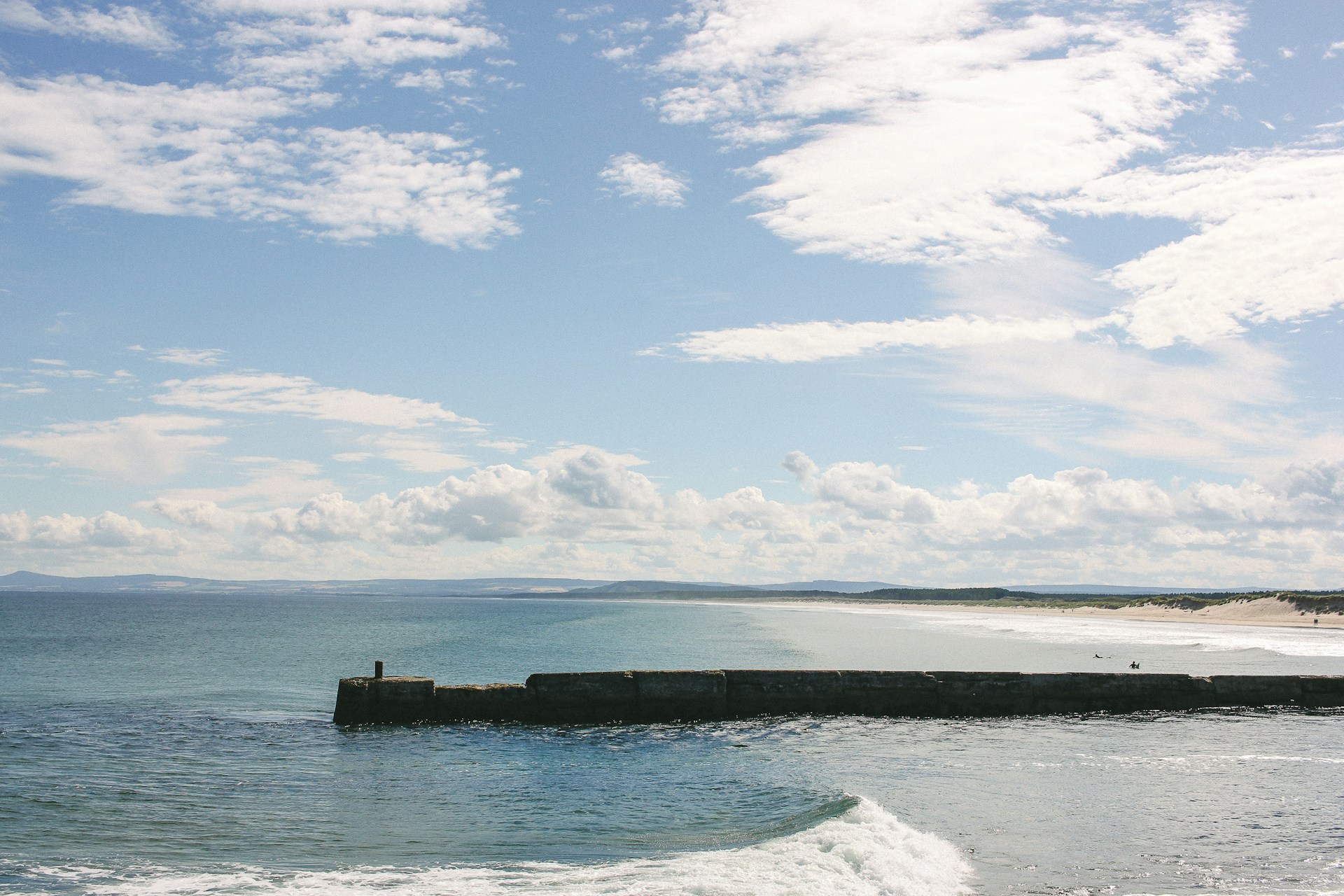
Introduction to Surfing Lossiemouth
Lossiemouth, affectionately known as “Lossie,” is a vibrant coastal town on the Moray Firth, where the historic fishing harbor meets two of the most spectacular sandy beaches in Northeast Scotland. Characterized by its unique microclimate and the dramatic presence of the Covesea Skerries Lighthouse, this destination offers a surfing environment that is perfectly suited for those looking to experience the North Sea.
For surfers, Lossiemouth provides an incredible sense of versatility, offering consistent beach peaks that are often sheltered from the strongest westerly winds. It is the definitive choice for surfers seeking consistent North Sea pulses, a lively and authentic coastal atmosphere, and professional surf coaching in a landscape of vast sandy beaches and legendary Scottish scenery.
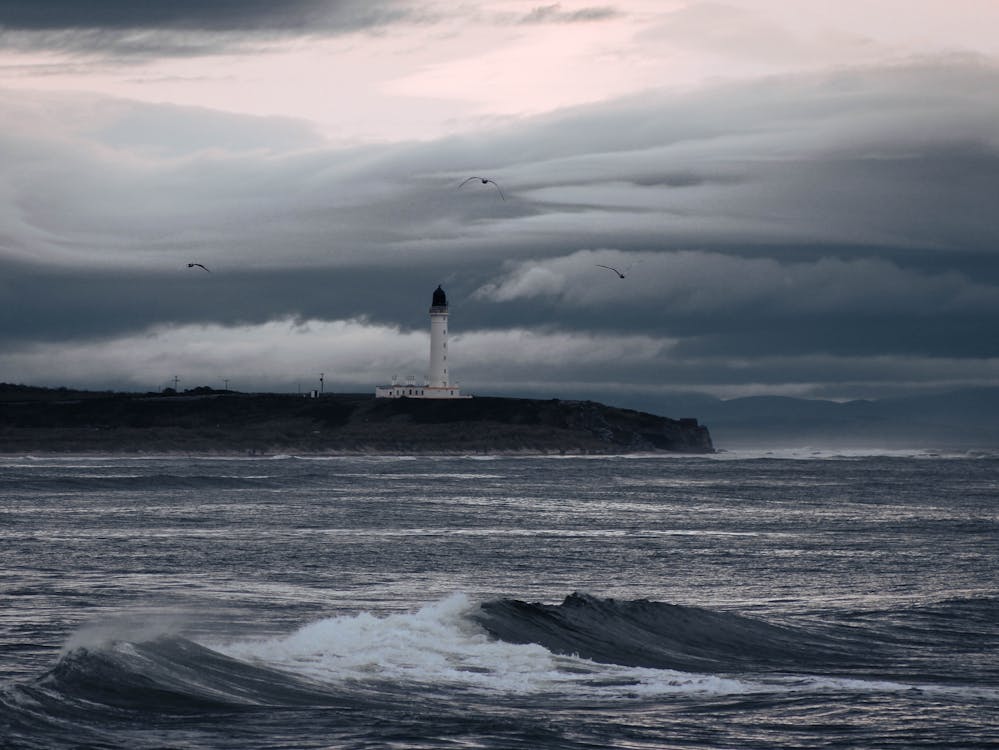
Surfing in Lossiemouth allows you to some seemingly chilly atmosphere.
Best Season to Surf Lossiemouth
- Summer Surfing – June to August: Summer brings small, gentle, and highly inconsistent waves to Lossiemouth’s East Beach. With the North Sea storm engine asleep, swells are mostly small windswells, creating flat or tiny, slow-rolling peaks. It is a relaxed environment ideal solely for beginners, longboarders, and local surf schools using the 20-plus hours of midsummer daylight.
- Winter Surfing – December to February: Winter turns Lossiemouth into a highly consistent, punchy beach break. Powerful low-pressure systems drop down from the Arctic, sending heavy North and Northeast groundswells straight into the firth. Not so beginner-friendly, but still waves.
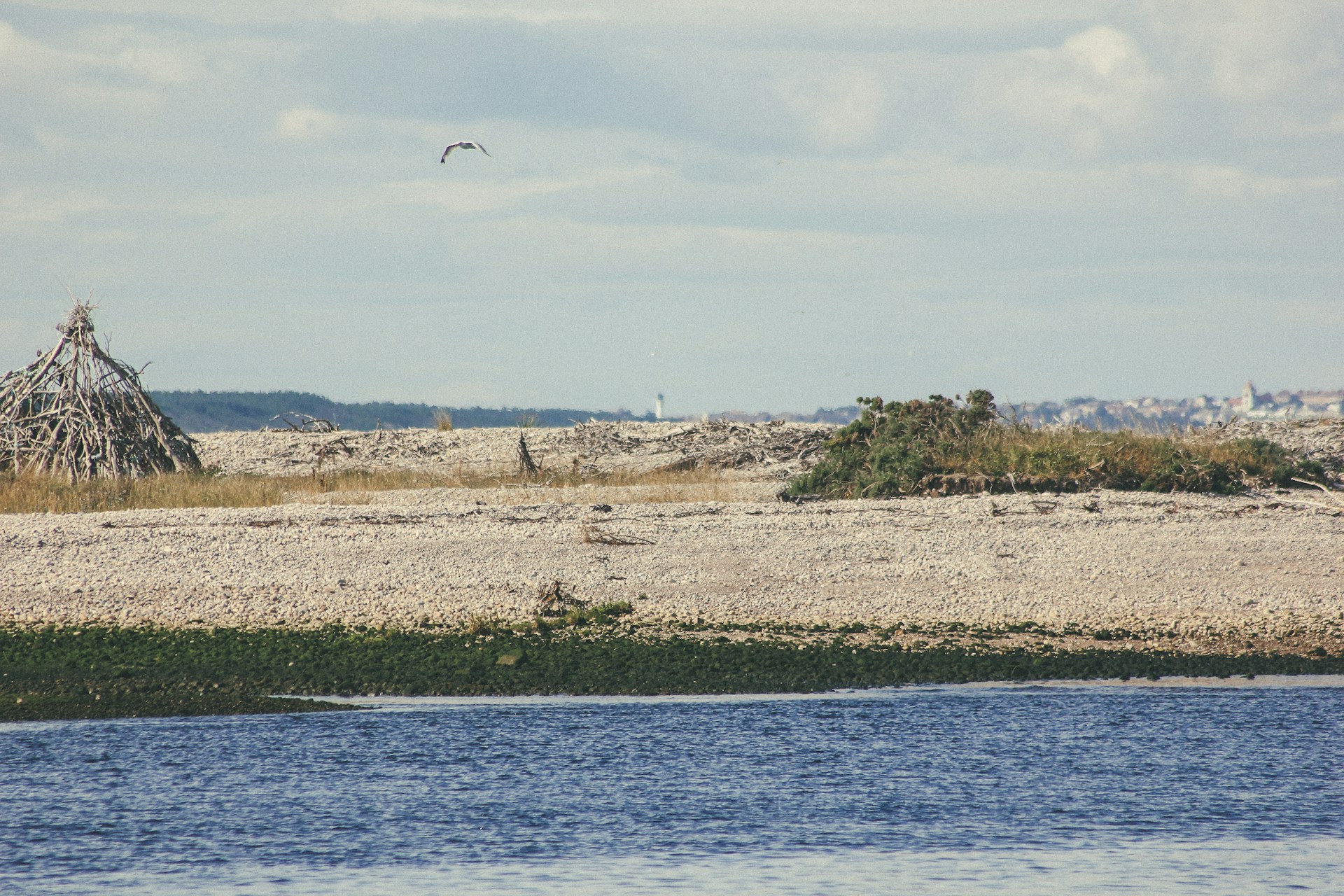
Mediocre weather, but the views are on point around Lossiemouth.
Surf Spots and Beaches in Lossiemouth
Lossiemouth East Beach
The surfing in Lossiemouth is primarily centered on the East Beach, famous for its iconic wooden bridge and its expansive, sand-bottom peaks. This spot features a versatile setup that works across various tides, often producing walls and punchy sections that are perfect for technical progression.
Some highlighting the some of the the potential of Lossiemouth.
Surf Lessons and Camps
Based in Moray since 2007, New Wave Surf School operates primarily from their surf hut at Lossiemouth East Beach. They provide expert surf lessons, stand-up paddleboarding (SUP) tuition, and high-quality equipment hire, dedicated to sharing the stoke across northeast Scotland’s beautiful coastline.
Other Things to Do in Lossiemouth
- Covesea Skerries Lighthouse: Visit this iconic 19th-century landmark for a guided tour and incredible views over the Moray Firth.
- Dolphin Watching: Keep an eye out for the famous resident pod of bottlenose dolphins that can often be spotted from the shore.
- Lossiemouth Fisheries Museum: Explore the town’s rich maritime history and its traditional roots in the Scottish fishing industry.
- Golfing: Play a round at the Moray Golf Club, a world-class links course that runs directly alongside the coast.
- Local Gastronomy: Savor fresh haddock and chips or enjoy a coffee at the various harbor-side cafes while watching the boats return with the day’s catch.
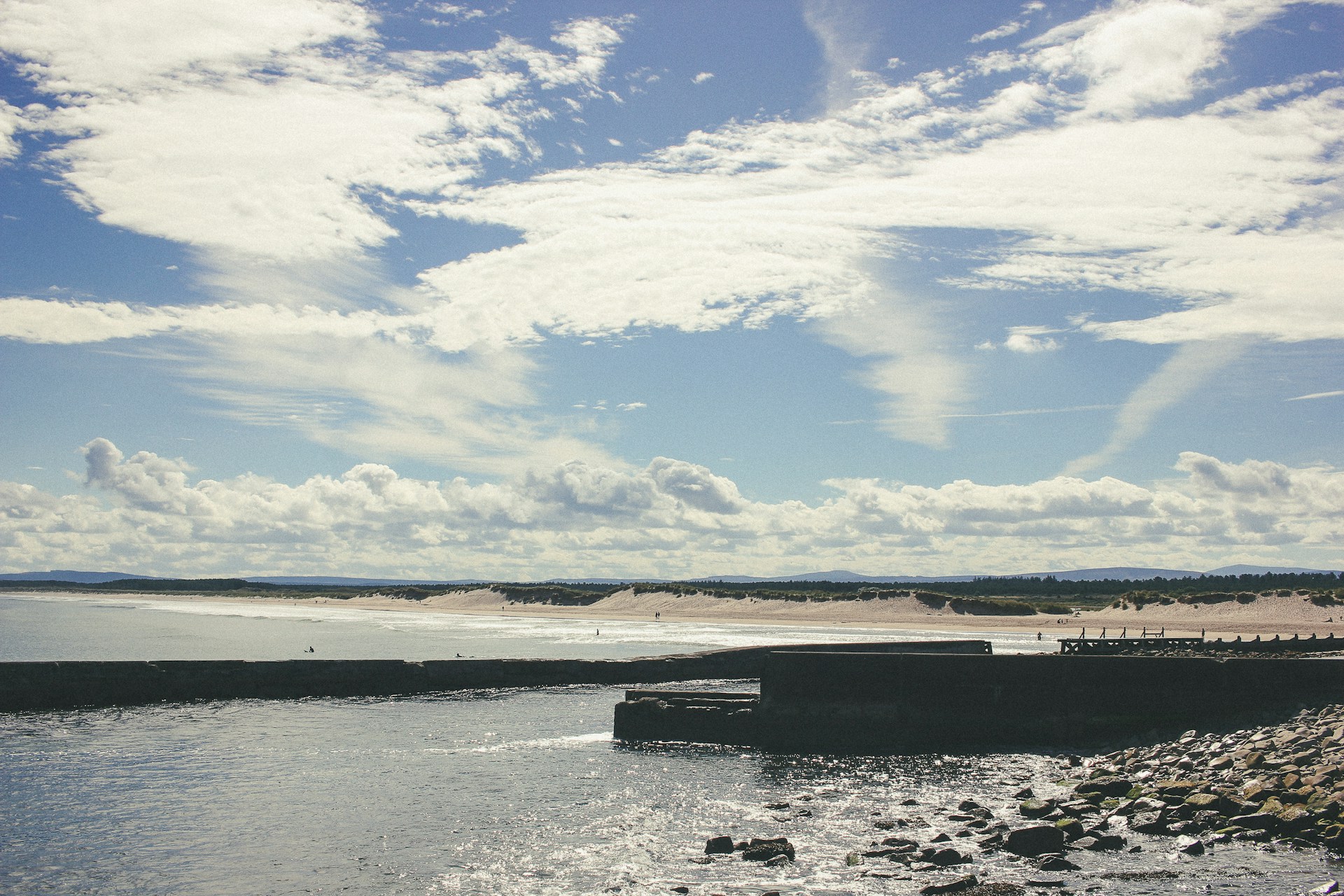
Another shot of some surfers riding waves in Lossiemouth.
Conclusion on Surfing Lossiemouth
Lossiemouth delivers a quintessential cold-water surf experience, beautifully balancing raw North Sea energy with the rugged charm of the Moray coast. The reliable sandbanks at East Beach, make this historic town a premier destination for authentic Scottish surf travel.
Whether you are charging a crisp winter groundswell or sliding down a long midsummer peak as the sun sets over the harbor, a session here provides a profound, unforgettable connection to the sea.
FAQ: Surf Travel to Lossiemouth
Is Lossiemouth suitable for beginners?
Yes, the sandy bottom and professional coaching available make it one of the best and safest places in the Northeast of Scotland to learn how to surf.
What is the water temperature?
In summer, the water ranges from 12°C to 14°C (54-57°F). In winter, it drops to around 6°C to 8°C (43-46°F). A 5/4mm wetsuit with boots, gloves, and a hood is recommended for most of the year.
How do I get there?
Lossiemouth is located about 15 minutes north of Elgin. It is easily accessible by car or via local bus services from Elgin, which has direct rail links to Inverness and Aberdeen.
Is the beach crowded?
While popular with the local community, the expansive nature of the East Beach means surfers can almost always find a peak with plenty of space.
Can I surf at low tide?
Conditions are tide-dependent. While it can be surfed at various stages, mid-to-high tide often provides the best shape for the waves as they move over the sandbanks.
Are there other locations to do a Surf Camp or take a lesson in Scotland?
Check out our Surfing in Scotland guide if you are interested in learning about more areas.