A French Surfing Guide to Côte Sauvage
Introduction to Surfing Côte Sauvage
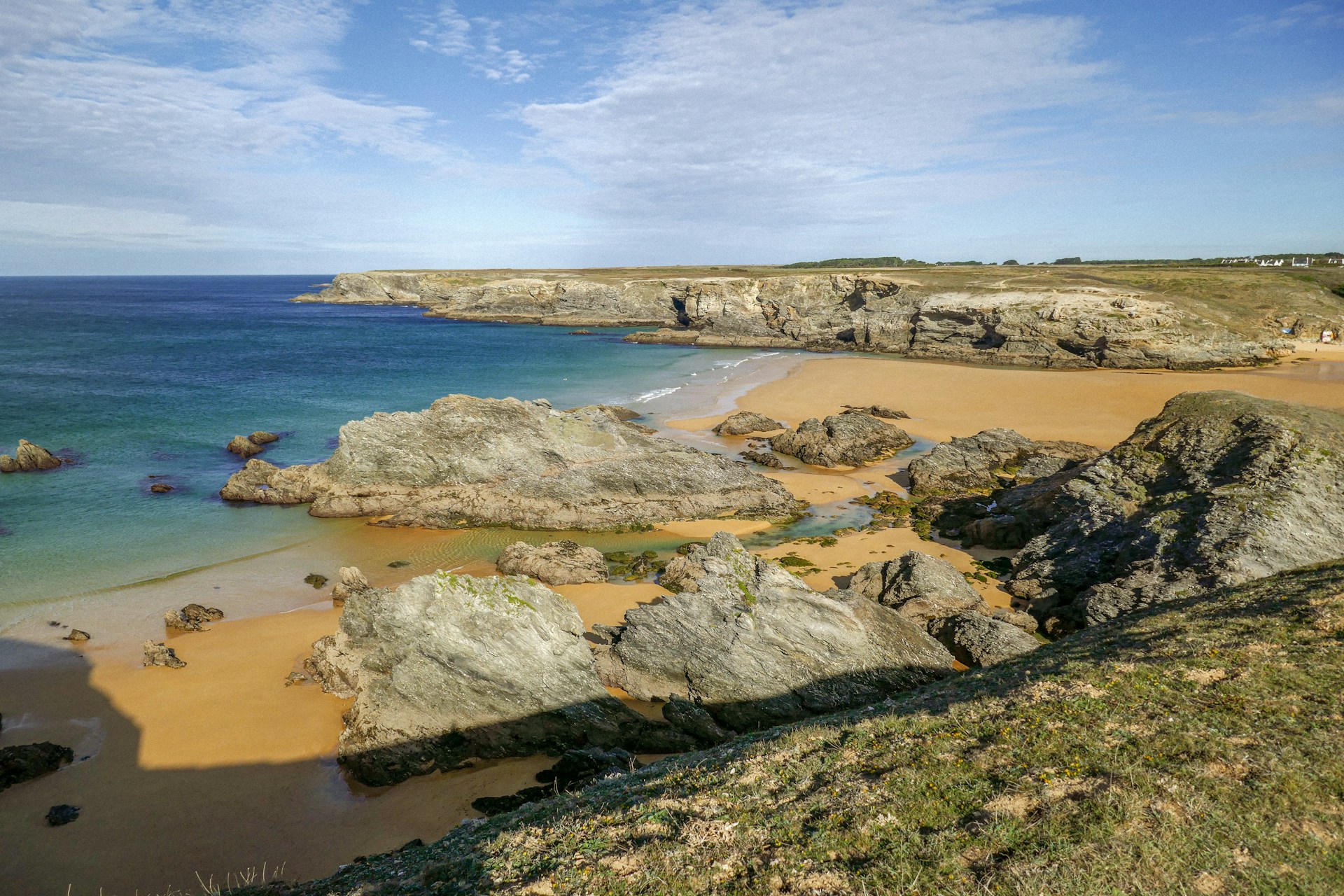
Stretching along the western flank of the Arvert Peninsula in Charente-Maritime, Côte Sauvage — the Wild Coast — is exactly what its name promises. Exposed directly to the full force of the Atlantic, this untamed shoreline of crashing waves, towering dunes, and wind-bent pines is one of France’s most dramatic and rewarding surf destinations. Unlike more developed surf towns further south, Côte Sauvage retains a raw, unspoiled character that draws surfers looking for something genuine. Whether you’re chasing powerful beach breaks or simply want to experience the Atlantic in its most elemental form, this stretch of coast delivers something truly unforgettable.
Best Surf Seasons
- Winter Season – December to February: Winter on Côte Sauvage is not for the faint-hearted. North Atlantic storms drive heavy, powerful swells directly into the coast, producing the year’s biggest and most intense surf. The beaches are almost entirely empty, lending the whole experience a wild, solitary energy. Experienced surfers willing to brave the conditions will find extraordinary, uncrowded waves in a landscape stripped back to its bare essentials.
- Summer Season – June to August: Summer softens Côte Sauvage considerably. Smaller, gentler swells roll in from the southwest, creating ideal conditions for beginners and improvers. The beaches fill with families and holidaymakers, and the atmosphere becomes lively and sociable.
- Shoulder Seasons – Mar–May / Sep–Nov: The shoulder seasons are where Côte Sauvage truly shines. Autumn delivers the most consistent and well-shaped swells of the year, combined with quieter beaches and a dramatic golden coastline. September and October in particular are exceptional for intermediate and advanced surfers. Spring is less predictable but offers peaceful, uncrowded conditions and improving surf windows.
The Côte Sauvage Wave
Côte Sauvage faces the open Atlantic with almost no geographic shelter, which means it catches swell more consistently than almost anywhere else on the French coast. The sandy bottom produces powerful, hollow beach breaks that can produce fast, punchy waves across multiple peaks. Conditions change rapidly with wind and tide, rewarding surfers who read the ocean carefully. At its best — a clean autumn groundswell with an offshore wind — the coast offers rides that rival anything in southwest France. Respect for the ocean is non-negotiable here.
Recommended Surf Schools
La Palmyre Surf School
The standout choice on this stretch of coast. La Palmyre Surf School offers lessons for all levels — from absolute beginners to surfers looking to sharpen their technique — with certified instructors who know the local breaks intimately. Equipment hire, small groups, and a genuine passion for sharing this coast make them the ideal first port of call for any visiting surfer.
Five Other Things to Do
- Explore the vast Forêt de la Coubre pine forest on foot or by bike.
- Visit La Palmyre Zoo, one of the finest wildlife parks in France.
- Discover the Art Deco architecture and seafood restaurants of Royan.
- Take a ferry across the Gironde Estuary to the Médoc wine country.
- Walk the Pointe de la Coubre lighthouse trail for sweeping Atlantic views.
Conclusion
Côte Sauvage earns its name in every sense. This raw, windswept Atlantic shoreline offers some of the most exhilarating and unspoiled surfing in France, wrapped in pine forest, wide open skies, and a pace of life that feels genuinely removed from the everyday. Whether you’re a seasoned surfer drawn by the heavy beach breaks or a curious traveller discovering the French Atlantic coast for the first time, Côte Sauvage delivers an experience that stays with you. Come for the waves, stay for the light, the oysters, and the wild beauty of a coastline that refuses to be tamed.
Frequently Asked Questions
Is Côte Sauvage suitable for beginner surfers?
Côte Sauvage is known for its powerful, exposed Atlantic surf, which can be demanding — particularly in autumn and winter. Beginners are strongly advised to take lessons with a qualified local surf school rather than heading out alone. La Palmyre Surf School offers structured beginner programmes with certified instructors who know the local breaks well and can guide you to the most appropriate spots for your level. In calmer summer conditions, the coast becomes significantly more accessible for newcomers.
Which surf school do you recommend at Côte Sauvage?
We recommend La Palmyre Surf School, one of the most established and reputable schools on the Côte Sauvage. They offer lessons for all levels with certified instructors, quality equipment hire, and a genuine passion for the local coastline. Their team knows the area’s breaks intimately, making them an excellent first point of contact for anyone arriving without local knowledge.
What are the waves like at Côte Sauvage?
The coast picks up raw Atlantic groundswell with very little obstruction, producing powerful, fast beach breaks over sandy bottoms. Conditions vary significantly by season: summer brings smaller, more manageable waves ideal for learning, while autumn and winter deliver consistent, heavy swells that attract experienced surfers from across Europe. The coast is exposed to strong winds, so checking the forecast before paddling out is always advisable, regardless of your level.
What is the best time of year to surf Côte Sauvage?
Autumn — from September through November — is the prime season. Swells are powerful and consistent, water temperatures remain reasonable, and the summer crowds have cleared. Experienced surfers also visit in winter for the biggest Atlantic storms. Summer is the most beginner-friendly window, with lighter surf and warmer conditions. Spring offers a good middle ground: quieter beaches, improving swell, and a fresh, uncrowded atmosphere that many regulars prefer.
What else is there to do near Côte Sauvage beyond surfing?
The surrounding Charente-Maritime region is rich with things to see and do. The nearby Forêt de la Coubre is a stunning pine forest ideal for cycling and walking, while La Palmyre Zoo is one of the finest in France and a great option for families. Royan, the closest town of size, offers lively markets, Art Deco architecture, and excellent seafood restaurants. The Gironde Estuary is just a short drive south, with ferry crossings and Médoc wine country beyond. It’s a coastline that rewards slow, curious exploration.