Surfing in Trinidad and Tobago: Surf Spots & Guide
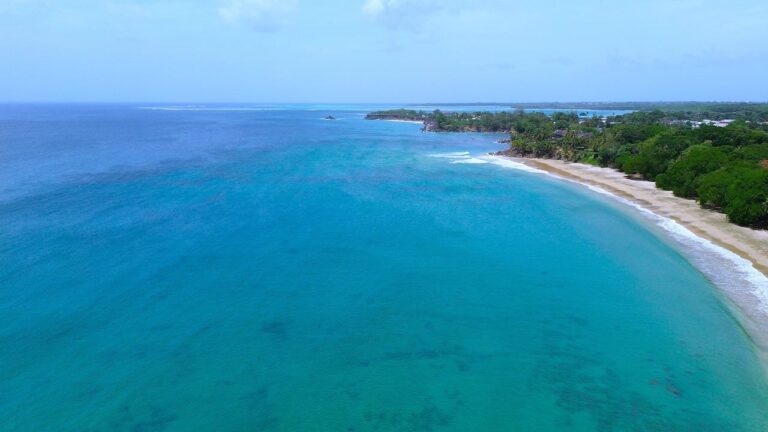
If you are interested in surfing in Trinidad and Tobago, learning more about the country and its top surf spots, this article will cover:
What is Trinidad and Tobago
Best Season to Surf in Trinidad and Tobago
Best Surf Spots in Trinidad and Tobago
Learning to Surf in Trinidad and Tobago for Beginners
Concluding Notes on Trinidad and Tobago Surf
Chapter 1: What is Trinidad and Tobago
Trinidad and Tobago is a small country located 11 kilometres off the coast of Venezuela. It is the southernmost islands in the Caribbean. A non-popular tourist country, mainly known for its spectacular carnival.
It is composed of the two main islands of Trinidad and Tobago, as well as a handful of small other islets. Their official language is English making it a easy travel location for English speakers. With a population of 1.5 million, and only 5,000 square kilometres, it is the 34th most dense country on Earth.
But all things aside, Trinidad and Tobago is situated in a perfect location for some waves as the east side of the islands face the Atlantic Ocean.
Chapter 2: Best Season to Surf in Trinidad and Tobago
The climate in Trinidad and Tobago is quite hot year-round. The average temperature is 32°C (88°F), making it quite a hot climate. The two seasons in Trinidad and Tobago are a dry and rainy season. The dry season lasting the first five months of the year from January to May. The rainy season goes from June to December.
The hottest season is September to October, while the coolest are January and February. The best season to surf in Trinidad and Tobago is the dry season. Specifically, January to April bring the best chances of scoring good waves and wind conditions. Conditions during the rainy season usually consist of strong windswells mixed with unpredictable windy conditions.
Chapter 3: Best Surf Spots in Trinidad and Tobago
As Trinidad and Tobago are made up of two large islands, you can find a variety of ways that face the Atlantic Ocean. The best spots on the large island of Trinidad are: Las Cuevas, Blanchisseuse, Grand Riviere, Sans Souci Bay, Toco Depot, Salibya Bay, and Balandra Bay The best spots on the smaller island of Tobago are: Airports, Sunset Rights, Sunset Left, Mount Irvine, South Coast, Back Bay, Rocky Point, and Irvines
Some informational data about these waves can be found throughout youtube, and online forums. The overall best type of swell that you are looking for is a NE, or a more steep NN-E. Large enough wind swells can bring in sizes of 6-8 feet, as well as groundsizes of a similar size.
Check out this video of Mount Irvine in Tobago.
A fun video of Las Cuevas on Trinidad, you can find a fun wave that breaks on swells that wrap into the beach. Check out this video of a local Trinidad Surfer if you are interested in seeing how it looks as well.
Check out this Tobago Surf video by a local Tobago surfer, Michael Abraham, if you want to learn about the preservation of the islands and some of the fantastic waves it has to offer;
Chapter 4: Learning to Surf in Trinidad and Tobago for Beginners
Although learning to surf in Trinidad and Tobago is not advisable for beginners, as there is a lack of surf culture oriented around tourism.
Yet, there is still a surf school found on the island of Tobago, located near the Mount Irvine break. You can find the Tobago surf school here.
Chapter 5: Concluding Notes on Trinidad and Tobago Surf
Arriving to Trinidad and Tobago you have to fly into their respective airports. For Trinidad the international airport is Piarco International Airport. For Tobago the international airport is ANR Robinson International Airport.
Both airports have a limited amount of flights coming and going, and do not have too many connecting fights from popular airports, although the flights and expeditions may be worthwhile. Good weather, fun waves, and beautiful people. Maybe you can score some good waves for Trinidad while their Carnival is happening.