Surfing in Uruguay – Surf Travel, Spots, and Lessons Guide
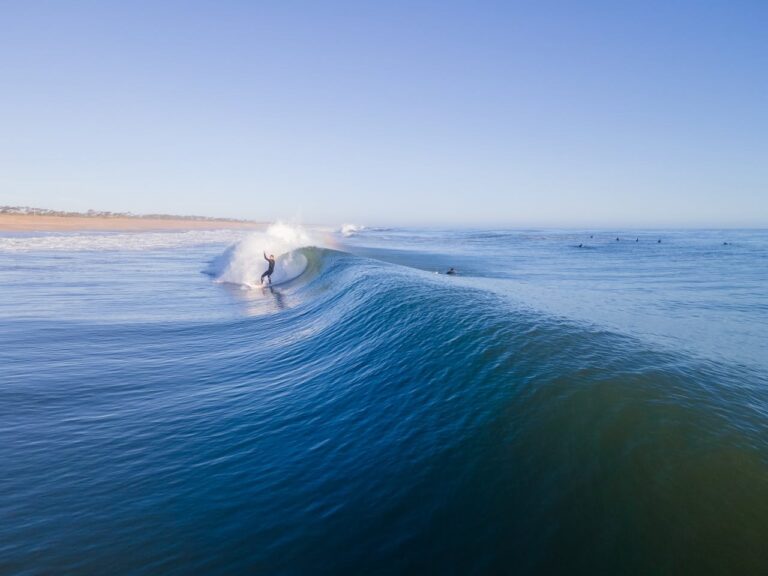
Introduction to Surfing in Uruguay
Uruguay, South America’s quiet beach nation, delivers consistent Southern Hemisphere swells along its long Atlantic coastline. From Punta del Este’s glamorous beach breaks to Punta del Diablo’s remote points, Uruguay offers uncrowded quality surf backed by charming coastal pueblos.
La Paloma anchors the central surf scene while Cabo Polonio’s off-grid dunes hide world-class beach breaks. Multiple swell windows ensure waves year-round with warm water and minimal crowds compared to neighboring Brazil and Argentina.
Best Season to Surf in Uruguay
- Peak Season (April to October): Southern winter brings consistent SW groundswells lighting up La Paloma, Punta del Diablo, and Cabo Polonio. Offshore winds create perfect beachbreak mornings.
- Summer Consistency (November to March): Smaller but reliable surf favors Punta del Este and La Pedrera. Warm water (22-26°C) perfect for progression.
- Shoulder Months (March-April, October): Combo swells offer uncrowded perfection before/after peak tourist seasons.
Surf Spots in Uruguay
La Paloma
Uruguay’s undisputed surf capital featuring Playa La Pedrera’s world-class beach break and multiple peaks along Rocha coast. National surf contest host with established surf schools, rentals, and beachfront accommodations. Consistent SW exposure creates rippable rights and lefts.
Punta del Diablo
Hippy fishing village delivers Santa Catalina’s legendary point break and multiple beach breaks. Remote northeast point catches angled swells perfectly while town offers authentic Uruguayan surf culture with fresh seafood and dirt-road charm.
Punta del Este
South America’s glamorous beach resort featuring Playa Brava’s powerful beach break and Playa Mansa’s mellow peaks. International jet-set surf beside high-end restaurants and designer shops creates unique coastal luxury experience.
Cabo Polonio
Off-grid national park village accessible only by 4×4 or horseback. Pristine beach breaks backed by massive sand dunes and sea lions. True remote surf adventure with basic cabañas and zero light pollution under pristine Atlantic skies.
La Pedrera
La Paloma’s beachfront surf town featuring quality right-hand beach break beside picturesque lighthouse. Family-friendly progression spot with summer surf camps and winter barrels. Perfect base for Rocha department surf exploration.
Punta Negra
Punta del Este’s quieter neighbor offering uncrowded beach break peaks. Residential surf zone with consistent swell exposure away from glitzy Brava crowds. Ideal for local-style sessions and authentic Uruguayan beach culture.
Practical Surf Travel
- Main Airports: MVD (Montevideo 3hrs to La Paloma), PDG (Punta del Este summer only)
- Board Rental: 500-1000 UYU/day (~$12-25 USD). Lessons 2000UYU/hour
- Wetsuits: Springsuits May-Oct. Boardshorts Nov-April (20-25°C water)
- Accommodation: Beach cabañas 2000-5000UYU/night. Surf camps 80-150USD all-inclusive
- Essential: Buses connect all spots efficiently. Chivitos essential beach food
Conclusion on Surfing in Uruguay
Uruguay punches above its size with world-class beach breaks and uncrowded point perfection. La Paloma’s surf culture anchors central consistency while Punta del Diablo delivers remote adventure and Cabo Polonio offers true off-grid escape.
Warm water, reliable SW groundswells, and authentic coastal pueblos create South America’s most accessible surf destination. From Punta del Este luxury to Polonio wilderness, Uruguay blends quality waves with unbeatable Uruguayan hospitality.