Surfing in Corsica: Surf Spots, Surf Camps, and Guide
Surfing in Corsica is diving in the French culture, but on a beautiful island, and in this article we will guide you through the best surf spots, camps, and more! To get you excited here are some windy waves on a day in Corsica, showing some of the mediocre conditions, as I don’t want to show you the best right away;
Heck, I couldn’t resist. Check out this clip too for all you advanced surfers;
Introduction to Surfing in Corsica
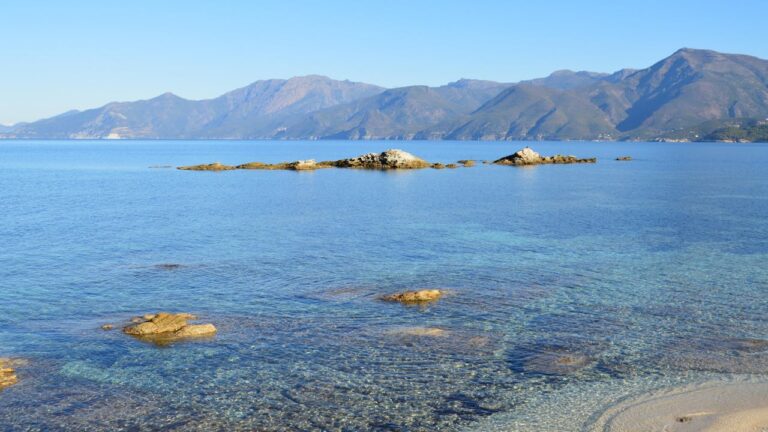
Corsica is a giant granite rock sitting in the heart of the Mediterranean. The main reason you head here is the sheer ruggedness and the chance to find a peak with nobody else out. The waves might not be the best, but the crowds, if any, are the better part. You are surrounded by the Ligurian Sea to the north and the Tyrrhenian Sea to the east. The typical swell is short period and generated by powerful winds like the Mistral. It is not like the long range groundswell you get in the Atlantic but it can still pack a punch when the wind machine starts humming.
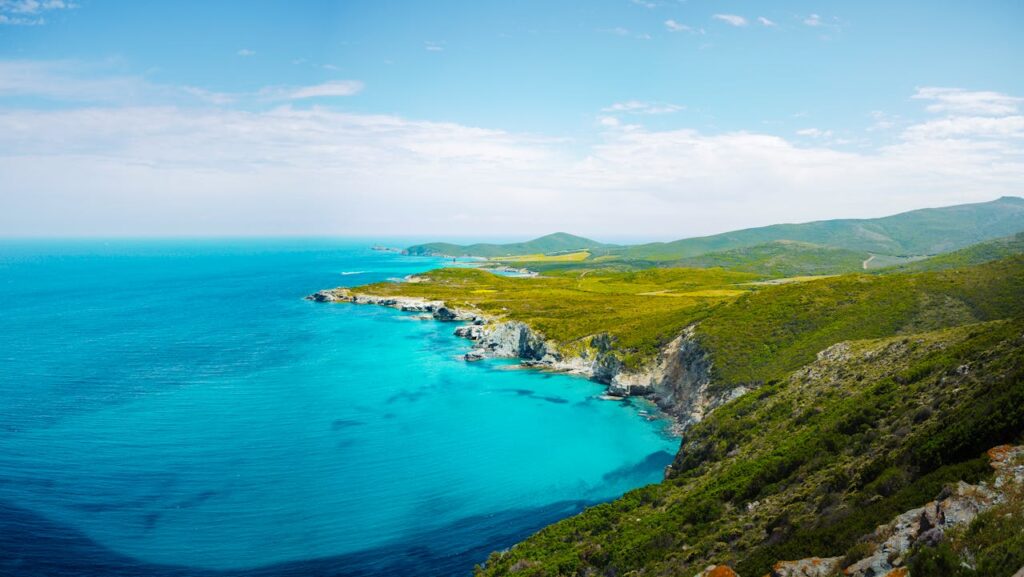
Decent waves show up fairly often from late autumn through the spring months. When the horizon stays flat it is honestly still a blast because the island is a natural playground. You can be hiking mountain trails or exploring limestone cliffs in the morning and diving in clear water by the afternoon. It is a solid spot for beginners since the water is buoyant and many of the beach breaks have soft sections. You will not find the heavy vibes of the bigger surf hubs here.
Best Season to Surf
The surf season in Corsica is all about the winter pulse. Because the Mediterranean is a closed basin, you do not get those weeks-long groundswells. Instead, you get high-energy windows that open up when the wind howls off the mountains or across the sea. You have to be quick and keep an eye on the charts because the conditions change fast. When it is on, the water is a deep turquoise and the air is crisp.
Best for Beginners
Late spring and early autumn are the sweet spots. The water is warm enough that you do not need a thick suit and the waves are usually mellow waist high rollers. It is perfect for getting your timing down without the intensity of a winter storm.
General Recommendation
The prime season is November through March. This is when the Mistral and Libeccio winds are most active, pushing the biggest swells into the western and northern coasts. It is the time for anyone looking for actual size and power.
Best Spots to Surf
Beginner Waves
Fairnole is a reliable beach break that offers a forgiving ride for those still finding their feet. Check out this video to get a glimpse of it.
Sisco is another good shout on the east side when the conditions are right.
Plage de Saleccia is famous for its white sand and gentle rollers that are perfect for a longboard session. Apologies for the potato quality of the break below, but it should showcase how the wave is great for beginners to intermediates.
General Recommendation
Some of the other waves on the island worth checking out include Plage de l’Ostriconi, Algajola (Aregno Beach), Lozari, Punta Caldanu/Lumio, Plage de Sainte Restitud, Tuccia, Capo di Feno, Ruppione, Plage de Cupabia, Route Des Sanguinaries, Le Ruppione, Sagone, Lumio, Algajola, Ostriconi, Pinarellu, Figari, Marine de Davina, and Beach of Bodri.
Surf Schools and Camps
This crew operates out of the Ajaccio region and focuses on teaching the fundamentals of wave reading and board control in some of the most scenic bays on the island.
Based on a stunning white sand beach this school excels in providing lessons and rentals in a crystal clear bay perfect for those wanting to learn in a relaxed setting.
Surf Camps
At the current moment their is no surf camps located in Corsica, but we will be on the lookout for any that come along.
Logistics & Costs
How to get there
The easiest way to get here is flying into Ajaccio or Bastia. Most flights come from mainland France or other European hubs. Once you land you definitely need a rental car to get around. The roads are winding and narrow so grab a small car to reach the remote beaches.
General Costs
Expect to pay typical Western European prices for your stay. A coffee or a beer is a few Euros but dining out can add up. The currency is the Euro and you can find ATMs in any main town. It is a good idea to carry some cash for the smaller mountain villages where cards might not be accepted.
Travel Advisories
There are no major travel advisories for the island. It is very safe for travelers. Just respect the local environment and be careful on the roads. The driving can be intense with steep drops and tight turns.
Other Things to Do
Food
You have to try the local Charcuterie. The pigs here eat chestnuts which gives the ham and sausages a flavor you cannot find anywhere else. Try the Brocciu cheese too.
Location to Hike
Trek a section of the GR20 trail. It is known as one of the toughest hikes in Europe but even a day trip into the granite peaks offers views that are completely mental.
Cultural Event
The Fiera di u Casgiu in Venaco is a massive cheese and craft fair. If you are there in the spring it is the best way to meet local producers and see the heart of mountain culture.
Conclusion on Surfing in Corsica
Corsica is for the surfer who loves the hunt. It is not a place where you get perfect lines every morning but that makes it more rewarding when you find a good session. The water is some of the clearest in the world and the backdrop of snowy mountains against the blue sea is hard to beat. Even if the waves are not pumping you are in a place with world class food and insane hiking. It is perfect for a surfer who wants to escape the crowds and find something a bit more authentic. It is definitely worth sending for a session if you want an adventure that feels like a discovery.