Surfing in Calicoan Island: A Unknown Surf Vibe

Calicoan Island, is a more peaceful area in the Phillipines, that offers some fantastic surf resorts and camps once in a while, all the while having a good surf spot to up your surfing game! Check out the break right here in case you want to know whether the article is worth reading more;
Introduction to Surfing in Calicoan Island
Calicoan Island is the spot if you want to escape the crowded lineups of Siargao and find some peace in the Eastern Samar wilderness. This island sits right on the edge of the Pacific Ocean so it takes the full brunt of the swell. The main reason surfers make the trek out here is ABCD Beach. It is a world-class reef break that offers long lefts and rights that can peel for over 200 meters when the conditions are firing.
The water is surrounded by the Philippine Sea and the Pacific. Because it is so exposed, you get consistent swells throughout the year. The waves are generally better for intermediate and advanced riders because the reef can be shallow and the paddle out is no joke. There is no easy channel to cruise through.
If the ocean goes flat, the island is still a blast. It is a rugged landscape with limestone caves, hidden lagoons, and thick tropical forests. You can spend the day exploring the Linao Cave or just hanging with the locals who are some of the chillest people you will meet. It is a legit adventure destination where the surf is the main event but the vibe of the island keeps you stoked regardless.
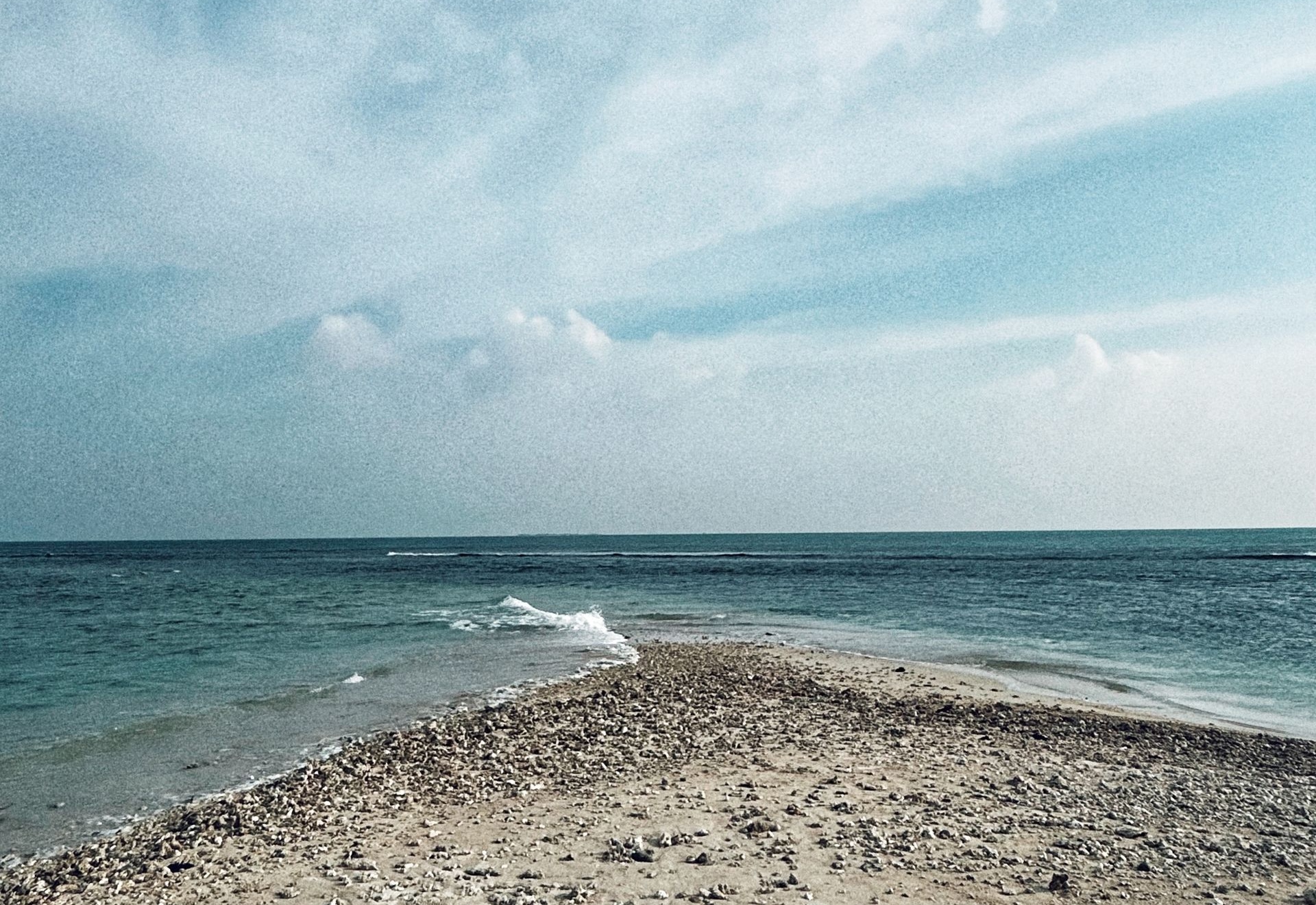
A shot of Calicoan island with no waves in motion.
Best Season to Surf in Calicoan Island
- Main Surf Season — September to November: Pacific typhoon swells and the southwest monsoon light up Calicoan’s east-facing reefs, with the biggest, most powerful waves arriving in this window. September and October are the heart of the swell run, while November brings the heaviest rain alongside substantial pulses.
- Shoulder Season — August and December: The typhoon swell season begins to stir, with the first meaningful pulses arriving around August and December. This is a lively transition: the dry season is still holding on, mornings are often clean, and Easter week brings a temporary burst of visitors.
- Dry Season — April to July: Amihan winds return, keeping the coast dry, clear and groomed with offshore mornings. Northwest pulses can occasionally push waves past head-high, but the sheltered bay generally keeps conditions gentle and beginner-friendly.
Best Spots to Surf
Beginner Waves
ABCD Beach (Inside Section): While the main peak is for the pros, the inside white water and smaller reform waves are where the local schools take students. It is a reef bottom, so you have to watch your feet, but the instructors know the safe zones.
Guiuan Beachfronts: Some of the sandy stretches near the town of Guiuan offer softer breaks during the smaller summer swells, providing a more forgiving entry into surfing than the main reef breaks.
General Recommendation
The heavy hitter here is ABCD Beach, but if you have a boat or a motorcycle, you can scout around for other setups. Check out the breaks near Sulingan or look for unnamed reef peaks along the eastern coastline that work on different tide heights.
Surf Schools and Surf Camps
Calicoan Surf Retreat: More of a high-end spot featuring luxury tents nestled in the forest. They excel in providing a comfortable base for surfers with easy access to ABCD Beach and expert local knowledge.
Conclusion on Calicoan Island
Calicoan Island is a hidden gem for anyone who wants a pure surf trip. It is not a party island like Boracay or a surf city like Siargao. It is quiet, raw, and centered around the ocean. The waves at ABCD Beach are legit and can offer some of the best rides in the country if you timing is right. It is 100% worth sending it for a session if you want uncrowded peaks and a real tropical adventure.
FAQ: Travel Essentials for Calicoan Island
What is the average water temperature?
The water around Calicoan Island is warm year-round, averaging 27°C to 30°C (80°F to 86°F), offering tropical surfing conditions across every season.
What wetsuit thickness do I need?
No wetsuit is required. Board shorts or swimsuits are standard year-round, though a rash guard or long-sleeve surf top is strongly recommended for equatorial UV protection and board wax shielding. Reef booties are also recommended due to the shallow coral reef breaks.
Which airport should I arrive at?
Daniel Z. Romualdez Airport (TAC) in Tacloban City is the primary domestic entry point, located roughly a 3 to 4-hour drive by van or bus to Guiuan, followed by a 20-minute tricycle or motorbike ride across the bridge to Calicoan Island. International travelers typically fly into Manila (MNL) or Cebu (CEB) and take a short domestic flight into Tacloban.
What is the currency and which languages are spoken?
The official currency is the Philippine Peso (₱ / PHP). Waray-Waray and Filipino (Tagalog) are the local languages, while English is widely spoken across surf retreats, resorts, and local schools. Bringing plenty of cash from Tacloban or Guiuan is essential, as ATMs on Calicoan Island are unreliable or nonexistent.
Is this location good for beginner surfers?
Generally, Calicoan Island is best suited for intermediate and advanced surfers due to its exposed Pacific swells, shallow coral reef, and challenging paddle-outs—particularly at its main break, ABCD Beach. However, beginners can learn here during the calmer summer months between March and May, when smaller 2 to 3-foot rollers and lighter winds create much more forgiving conditions.
More Philippines Surf Guides
Yes, you can find the others by checking out our master blog post Philippines Surf Blogs.