Surfing in Cabo Matapalo, Costa Rica: Surf Spots, Beaches, and Travel Guide
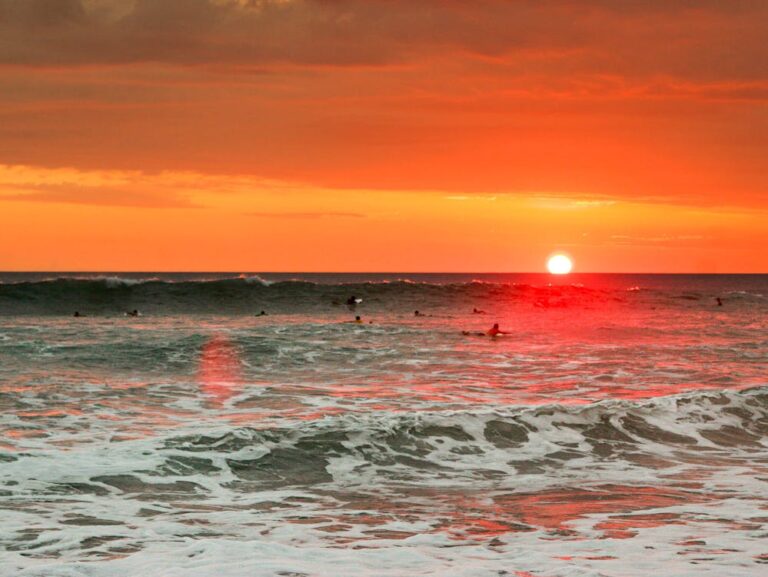
This travel guide will cover the main popular surf spots and beaches in Cabo Matapalo, Costa Rica. To get familar with the waves, here is a refresher of the most popular wave;
Introduction to Surfing in Cabo Matapalo
Cabo Matapalo is a literal sanctuary at the southern tip of the Osa Peninsula. The setups are legendary right hand points that wrap into the Golfo Dulce, offering everything from heavy, vertical drops to some of the longest, most forgiving beginner walls on the planet. Life here is defined by nature; your day starts with the roar of howler monkeys and ends with a sunset over the jungle canopy. It’s an off-the-grid mission for those who value biodiversity as much as wave quality, a rugged, soul-cleansing destination where the jungle is the main event.
Best Season to Surf in Cabo Matapalo
- The Big Swell Season (April to October). This is when the South Pacific pumps consistent energy into the points, creating massive, long-period rides for experienced chargers. While it’s the rainy season, the mornings are usually glassy and the jungle is at its most vibrant green.
- Beginner Recommendation: The Dry Season (December to March). For a more relaxed trip, this window is unbeatable. The swells are smaller and perfectly groomed by steady offshore winds, making it the golden era for longboarding and learning.
- General Recommendation: The Transition Months (April or November). The ultimate time to visit. You’ll score the best balance of potential swell pulses and clearer weather. It’s the prime window to witness the Osa Peninsula in all its lush glory.
Surf Spots
Pan Dulce: This “Sweet Bread” right-hand point is a longboarder’s dream. It requires a solid swell to wrap into the gulf, but once it does, it offers a ride that can stretch for over 500 meters. It is incredibly gentle and predictable.
Backwash Bay: A steep and punchy right-hand reef break located in the middle of the Matapalo stretch. It’s known for a fast, exciting takeoff and a wide open face that is perfect for high-performance turns.
Playa Carbonera: A more sheltered beach and reef break that offers shifty, fun peaks. It’s often much quieter than the main points, providing a great escape for those looking for a solo session.
Matapalo Point (The Point): The heavyweight of the region. This exposed right-hand point faces the open Pacific and handles massive size. It’s fast, powerful, and strictly for advanced surfers.
Pavones: Pavones, is not directly in Matapalo, but across a large inlet, which can be driven across with a boat for about 30 minutes. If you are interested in the world-famous left point break, I have an article written about Surfing in Pavones.
Surf School
Run by local experts who live and breathe the Osa, this school specializes in the specific tides and entries of the region. They focus on personalized coaching at Pan Dulce, ensuring you have a safe and successful introduction to the point breaks.
Surf Camp and Resorts
- Lapa Rios Lodge: A world-renowned eco-lodge perched high in the rainforest. It’s a high-end experience that blends luxury with total nature immersion.
- Ojo del Mar: An eco-friendly, beachfront retreat that offers a more rustic and “zen” atmosphere.
- Tumbo Resort: A beautiful beachfront option that offers comfortable cabins nestled in the jungle right in front of the waves.
How to get to Cabo Matapalo
Fly from San José (SJO) to Puerto Jiménez on a local carrier like Sansa. From there, it’s a 45-to-60-minute drive down a rugged dirt road. A 4×4 vehicle is absolutely necessary, especially in the rainy season when you have to cross small rivers. Many resorts will arrange a 4×4 shuttle for you if you don’t want to drive.
General Costs and Considerations
Matapalo is remote and mostly solar-powered, so expect higher prices for the logistics of luxury. Budget roughly $60–$100 a day for food and extras if your resort isn’t all-inclusive. There are no ATMs or gas stations in Matapalo, so you must withdraw enough cash and fill your tank in Puerto Jiménez before heading to the Cape.
Travel Advisories
The area is safe, but the wildlife is wild. Respect the animals and keep your distance. The tropical sun on the Osa is exceptionally strong, so high-zinc sunblock is mandatory. Be aware of the tides; the rocky entries at Matapalo Point can be dangerous at low tide. Always carry a flashlight for walking the paths at night.
Other things to do in Cabo Matapalo
- Food: Try the local “Casado”. It is a traditional plate of rice, beans, salad, and fresh fish. It’s the ultimate “Pura Vida” fuel after a morning session.
- Location to Hike: Visit the King Louis Waterfall. It’s a spectacular trek through the primary forest that ends at a massive falls where you can cool off in freshwater pools.
- Cultural Thing: Join a night hike with a naturalist. The jungle comes alive after dark, and you’ll have the chance to see frogs, snakes, and exotic insects.
Conclusion on Cabo Matapalo
Cabo Matapalo is the ultimate reward for the traveler willing to go the distance. It offers a rare combination of mechanical waves and an intensity of nature that is unmatched elsewhere. Whether you’re gliding through the gentle walls of Pan Dulce or charging the Point, the energy of the Osa Peninsula will stay with you forever, as well as the experience of those sessions.
Cabo Matapalo: Frequently Asked Questions
Languages Spoken
Spanish is the official language of Costa Rica and the primary language spoken by locals in the Osa Peninsula. However, because Cabo Matapalo is a world-renowned destination for eco-tourism and surfing, English is widely spoken by hotel staff, surf instructors, and tour guides. You will have no trouble navigating the area with English, though learning a few basic Spanish phrases is always appreciated by the local community.
Water Temperature & Gear
The water around the Osa Peninsula is exceptionally warm year-round, typically ranging between 27°C and 29°C (81°F–84°F). Because of these tropical temperatures, a wetsuit is not needed. Most surfers find that boardshorts or a bikini are perfectly comfortable.
Note: While you don’t need neoprene for warmth, a high-quality rash guard is essential. The sun at this latitude is incredibly strong, and a shirt will protect you from both UV rays and skin irritation during long sessions.
Currency & Payments
Both the Costa Rican Colón (CRC) and the US Dollar (USD) are widely accepted in Cabo Matapalo.
Cash is King: While larger eco-lodges accept major credit cards, many local surf instructors, small cafes, and taxi drivers operate on a cash-only basis.
No ATMs: There are no ATMs in Cabo Matapalo. It is vital that you withdraw enough cash in Puerto Jiménez before heading down the rugged road to the Cape.
Other Blogs on Costa Rica
I have written exstensively about Costa Rica, if you are interested in learning more about all the spots and towns to surf in, check out my master blog post Surfing in Costa Rica.