Surfing in Puerto Viejo: Surf Spots, Camps, and Salsa Brava Guide
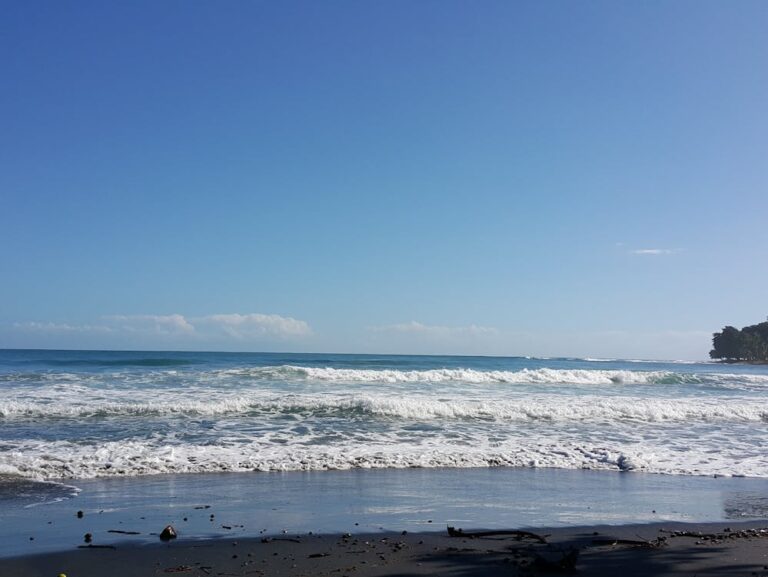
Puerto Viejo, is known for its famous wave, Salsa Brava, although it has a vibrant surf culture alongside opportunties to learn and improve in your surfing with its local surf schools and camp experiences. Check out this article, alongside the quick video to stoke you on the article;
Introduction to Surfing in Puerto Viejo
Puerto Viejo de Talamanca is the heart of Costa Rica’s Caribbean surf culture. Located on the southeast coast near the Panamanian border, it offers a distinct “Afro-Caribbean” vibe that differs significantly from the Pacific side of the country. Here, the rainforest grows right to the water’s edge, and the air is filled with the scent of spicy Caribbean cuisine and the sounds of reggae. It is a laid-back, bicycle-friendly town where the lifestyle is deeply connected to the coral reefs and the powerful swells of the Caribbean Sea.
The surfing in Puerto Viejo is famous for its power and technicality. Unlike the consistent, rolling beach breaks of the Pacific, the Caribbean coast relies on shorter-range weather systems in the Atlantic, which produce some of the heaviest and most rewarding waves in Central America. The town is home to the most powerful wave in the country, but it also offers neighboring beaches with more approachable conditions. It is a destination that demands respect for the ocean and rewards surfers with high-adrenaline rides in a lush, tropical paradise.
Best Season to Surf in Puerto Viejo
- The High Swell Season: December to March. This is the primary surf season for the Caribbean. Powerful Atlantic swells bring the most consistent energy to the reefs. The weather is generally sunny, though short tropical rain showers are common.
- The Secondary Season: June to August. A shorter window of swell often arrives during these months, providing excellent conditions before the peak of the hurricane season in the wider Atlantic.
- General Recommendation – The Low Season: September to October. While the rest of the country is in the heart of the rainy season, the Caribbean often experiences its flattest and calmest weather. This is the best time for snorkeling and diving, rather than surfing.
Surf Spots in Puerto Viejo
Salsa Brava
This is the most famous wave in Costa Rica. Salsa Brava is a powerful, Hawaiian-style reef break that peels over sharp coral. It is known for its heavy, hollow takeoff and intense barrels. It is a high-performance right-hand wave (with a shorter left) that is strictly for expert surfers. Getting the “Salsa Brava” experience is a rite of passage for serious barrel riders.
Playa Cocles
Located just a short bike ride south of town, Cocles is the most popular beach for all-around surfing. It is a punchy beach break with a sandy bottom and several peaks. While it can get quite heavy during large swells, it is much more approachable than Salsa Brava and serves as the primary spot for intermediate surfers and lessons. If you want to read more about the wave check out the Surfing Playa Cocles guide here.
Cahuita
Up the ways a little bit you have surf city Cahuita, featuring some fantastic beach break setups. If you are interested in learning more about those waves check out my extensive guide on Surfing in Cahuita.
Surf Schools and Camps
Puerto Viejo Surf and Tours offers professional instruction and guided surf trips along the Talamanca coastline. Their local instructors have an intimate understanding of the Caribbean reefs and tide cycles. They specialize in helping surfers transition from beach breaks to reef peaks and provide all the necessary equipment to ensure a safe and successful session in the Caribbean water. Try to coordinate with them a multi-day surf lesson, and a local-hotel for a surf camp experience.
How to get to Puerto Viejo
Puerto Viejo is approximately a 4 to 5-hour drive from San José (SJO). The route takes you through the stunning Braulio Carrillo National Park toward the port city of Limón, then south along the coast. While the road is paved, it is often shared with heavy shipping trucks, so daytime driving is recommended. Alternatively, you can take a domestic flight to Limón (LIO) followed by a 1-hour shuttle or taxi to Puerto Viejo.
General Costs and Considerations
Puerto Viejo is generally more affordable than the high-end hubs of Guanacaste. You can find excellent “Rice and Beans” at local sodas for a few dollars, or enjoy high-quality international dining. Expect a daily budget of $50 to $110. Renting a bicycle is the standard and most cost-effective way to get around town. There are several ATMs in the center of town, and most established businesses accept credit cards.
Travel Advisories
Salsa Brava breaks over a very shallow and sharp coral reef; always use extreme caution and consider wearing reef booties. The currents at Playa Cocles can be very strong, especially during large swells. Use high-quality sunblock and be prepared for higher humidity than the Pacific coast. While the community is generally safe and welcoming, always secure your bicycle with a lock and avoid leaving valuables on the beach.
Other things to do in Puerto Viejo
- Jaguar Rescue Center: Visit this world-renowned center to see rehabilitated sloths, monkeys, and wild cats before they are released back into the wild.
- Cahuita National Park: Hike the coastal trail for incredible wildlife spotting and some of the best snorkeling in Costa Rica’s only protected coral reef.
- Chocolate Tours: Learn about the traditional Bribri indigenous process of making chocolate from organic cacao grown right in the Talamanca jungle.
Conclusion on Puerto Viejo
Puerto Viejo offers a surfing experience that is as much about the culture as it is about the waves. The power of Salsa Brava and the beauty of Playa Cocles are unmatched, providing a raw and high-energy alternative to the Pacific coast. Whether you are charging the reef or enjoying a sunset at Punta Uva, the Caribbean’s unique rhythm will stay with you. It is a destination for the adventurous soul who wants to experience the most powerful waves in Costa Rica in a setting of pure tropical magic.
FAQ: Travel Essentials for Puerto Viejo
What is the average water temperature?
The water is warm year-round, averaging 27C (81F) in the winter and 28C (82F) during the summer months.
What wetsuit thickness do I need?
No wetsuit is necessary. Most surfers wear board shorts or swimsuits, though reef booties are highly recommended for Salsa Brava.
Which airport should I arrive at?
SJO San José is the main gateway. From there, you can drive or take a domestic flight to the Limón (LIO) airstrip.
What is the currency and which languages are spoken?
The Colón ₡ is official, but US Dollars $ are widely used. Spanish is native, while English and Patois are spoken fluently.
Is this location good for beginner surfers?
Yes, at Playa Cocles or Playa Negra. However, Salsa Brava is strictly for experts due to its power and shallow reef.
Other Blogs on Costa Rica
I have written exstensively about Costa Rica, if you are interested in learning more about all the spots and towns to surf in, check out my master blog post Surfing in Costa Rica.