Surfing in Oostende, Belgium: A Surf Travel Guide
Introduction to Surfing Oostende
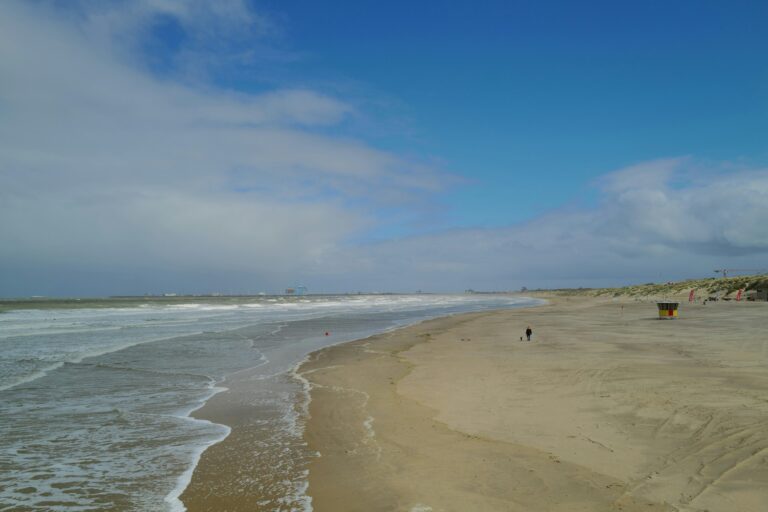
Oostende, often called the “Queen of Seaside Resorts,” is the largest and most vibrant city on the Belgian coast. Combining a rich maritime history with a modern urban pulse, Oostende offers a surfing experience unlike any other in the region. The city’s coastline is defined by its long sandy beaches and iconic harbor piers, which play a crucial role in shaping the local surf conditions.
Surfing in Oostende is a dynamic affair; the city’s unique orientation allows it to capture North Sea swells that are often groomed by the harbor infrastructure, providing some of the most consistent waves in Belgium. It is a place where the industrial grandeur of a major port meets the energetic spirit of a dedicated surf community, all set against the backdrop of grand Belle Époque architecture and trendy beach clubs.
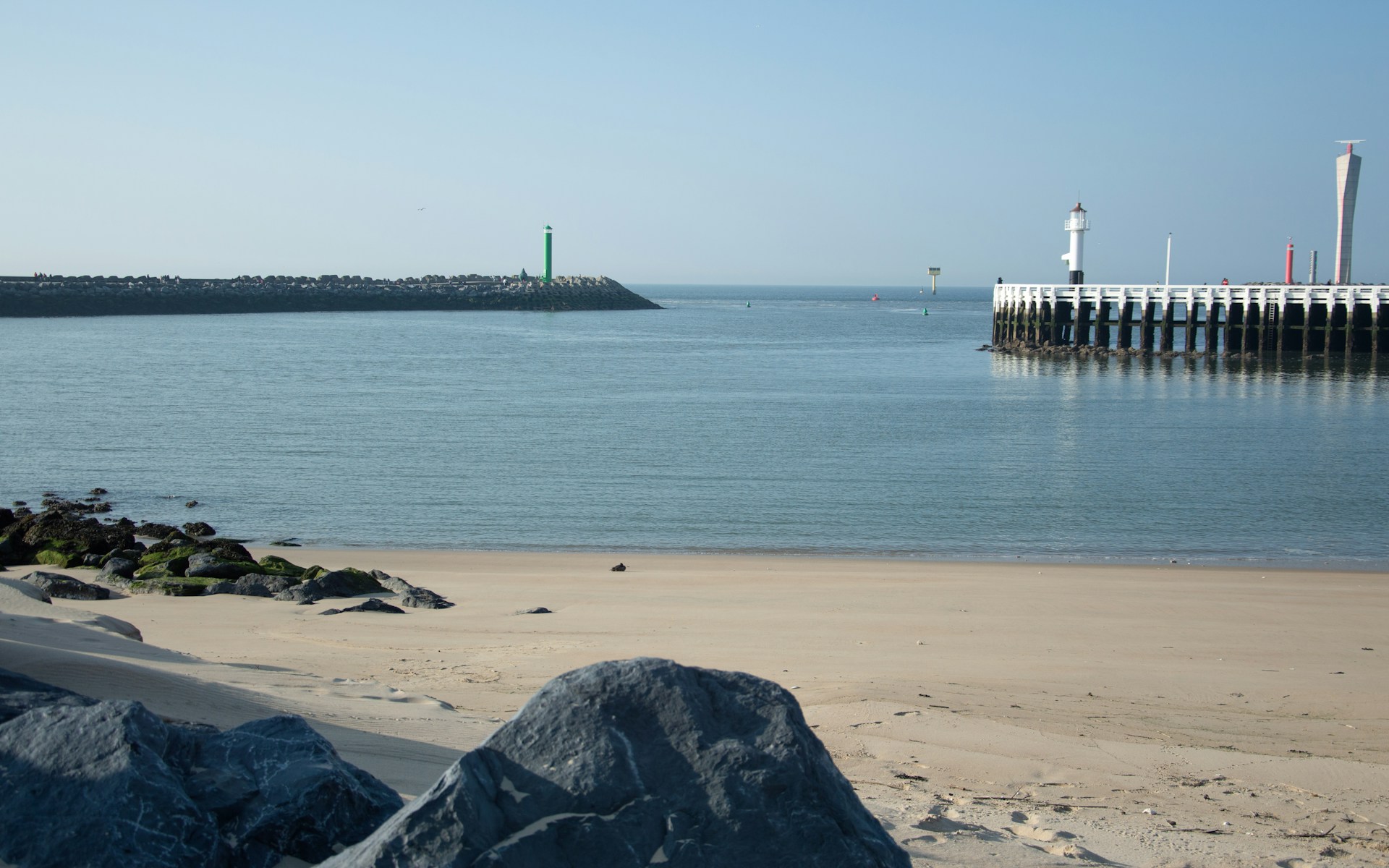
The harbor of Oostende in all its beauty with golden sand and flat as ever ocean water.
Best Season to Surf Oostende
- Winter Season – November – February: Peak surf season. Atlantic storms generate powerful, consistent swells ideal for experienced surfers. Crowds are minimal, giving you plenty of space in the lineup. A thick wetsuit with hood and boots is essential to handle the cold North Sea conditions.
- Summer Season – June – August: The most beginner-friendly time to surf. Lighter, more forgiving waves make it perfect for lessons and longboarding. Surf schools are active and the beach has a lively atmosphere, though expect company in the water during peak holiday weeks.
- Shoulder Season (Mar–May / Sep–Oct) The sweet spot for beginners and intermediate surfers. Conditions are more manageable than winter but more interesting than summer, with fewer crowds than either peak season. Spring and autumn both offer solid sessions, making this the most well-rounded time to visit.
Surf Spots and Beaches in Oostende
Oostende Beach
The primary surfing area in Oostende is located along the wide sandy beach, with the most reliable conditions found near the harbor piers. These stone structures act as stabilizers for the local sandbanks and provide protection from certain wind directions, helping to organize North Sea swells into cleaner peaks.
The waves here break over a gentle sandy bottom, offering a variety of left and right peaks that cater to all skill levels. Its central location means you are never far from the city’s amenities, making it one of the most convenient surf spots in Belgium.
Some of Oostendes waves showcased.
Surf Lessons and Camps
Inside Outside is a premier watersports center in Oostende, dedicated to sharing the thrill of the North Sea with surfers of all levels. This professional school offers a wide range of lessons and seasonal camps that emphasize safety, technical progression, and ocean awareness. Their team of certified instructors provides expert coaching in a supportive and energetic environment.
Whether you are a total beginner catching your first wave or an intermediate rider looking to refine your maneuvers, Inside Outside provides top-tier equipment and a structured approach to learning. Their unique “dual location” setup—with activities on both the sea and the nearby Spuikom lake—ensures an authentic and welcoming experience for everyone who joins their programs.
Other Things to Do in Oostende
- The Mercator: Explore this historic three-masted ship, a former training vessel of the Belgian merchant navy, now permanently moored as a museum.
- Mu.ZEE: Visit the museum of Belgian art to see an impressive collection of works from the 1830s to the present day, featuring artists like Ensor and Spilliaert.
- Atlantic Wall Raversyde: Take a short trip to this preserved part of the German coastal defense line from WWII, featuring bunkers and trenches in the dunes.
- The Promenade: Walk or cycle along the expansive coastal promenade, enjoying the sea air and the bustling energy of the city’s shops and cafes.
- Oostende Fish Market: Experience the “Vistrap,” an open-air fish market where you can buy fresh North Sea shrimp and fish directly from the fishermen.
Conclusion on Surfing Oostende
Experience the best of Belgian surf culture in Oostende, where consistent North Sea swells meet vibrant city life. The reliable sandbanks by the pier make it a go-to spot for quality, accessible waves. From catching clean morning lines to exploring the local nightlife post session, Oostende perfectly captures the athletic spirit of North Sea surf travel.
FAQ: Surf Travel to Oostende
Is Oostende suitable for beginners?
Yes, the sandy bottom and the professional coaching at schools like Inside – Outside make it an excellent and safe place for beginners to learn the fundamentals of surfing.
What is the water temperature?
In summer, the water ranges from 17°C to 20°C (63-68°F). In winter, it can drop to 5°C (41°F). A 3/2mm or 4/3mm wetsuit is perfect for the shoulder seasons, while a 5/4mm with boots, gloves, and a hood is required for winter groundswells.
How do I get there?
Oostende is very accessible by train with direct connections from Brussels, Ghent, and Bruges. By car, it is easily reached via the E40 motorway. The city is also a major hub for the Belgian Coastal Tram.
Is the beach crowded?
As a major tourist destination, the beach can be busy in the summer, but the surfing area is clearly zoned and large enough to accommodate a healthy number of surfers.
Can I surf at low tide?
Conditions in Oostende are tide-dependent. Generally, the mid-tide and high tide provide the best shapes for the sandbanks, though the pier can offer surfable waves at various stages of the tide depending on the swell.
Are there other locations to do a Surf Camp or take a lesson in Northern Europe?
Check out our Surfing in Belgium Travel Guide for more information on other top locations along the Belgian coastline, such as the pier at Blankenberge or the vibrant surf scene in Knokke-Heist.