Surfing in Cahuita, Costa Rica: Surf Spots, Camps, and Travel Guide
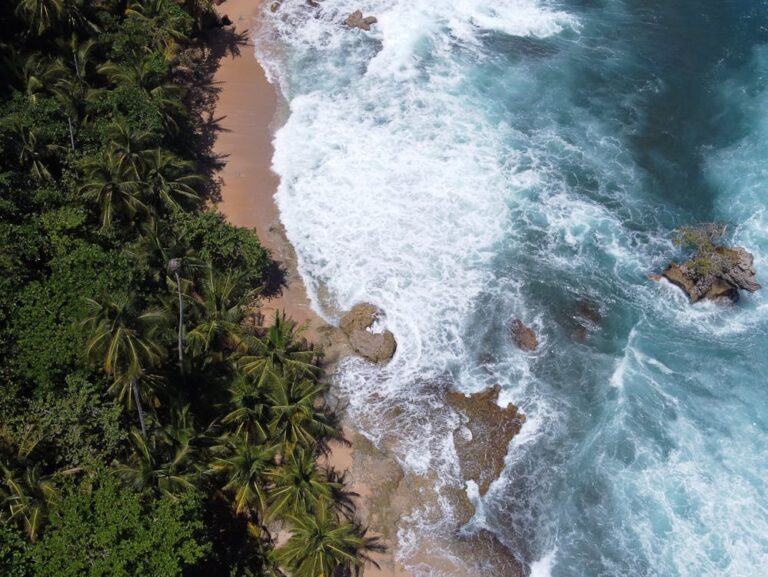
Surfing in Cahuita, Costa Rica, provides a beautiful opportunity to immerse yourself in the Caribbean side. This travel guide will cover some surf spots and camps to help you alongside your planning. Check out this clip of the waves there;
Introduction to Surfing in Cahuita
Cahuita is a charming, low-key village on the Caribbean coast that offers a more relaxed pace compared to its neighbor, Puerto Viejo. Known for its rich Afro-Caribbean heritage and its stunning national park, Cahuita is a place where giant ancient trees meet the turquoise sea. The town is built around a simple grid and is famous for its colorful wooden architecture and incredibly friendly local community. It is a destination that feels deeply authentic, providing a peaceful escape for travelers who want to experience the Caribbean’s natural beauty without the crowds.
The surfing in Cahuita is characterized by its accessibility and variety. While it may not have the heavy reputation of Salsa Brava, it offers some of the most consistent and fun waves in the region. The coastline features a mix of dark volcanic sand and pristine white-sand coves, creating different wave types within a short distance. It is an excellent location for those who enjoy long, peeling rides and a more tranquil lineup. Whether you are a beginner looking to catch your first wave or an intermediate surfer seeking a quiet morning session, Cahuita provides a scenic and soulful surfing experience.
Best Season to Surf in Cahuita
- The High Swell Season: December to March. This is the primary surf season for the Caribbean. Powerful Atlantic swells bring the most consistent energy to the reefs. The weather is generally sunny, though short tropical rain showers are common.
- The Secondary Season: June to August. A shorter window of swell often arrives during these months, providing excellent conditions before the peak of the hurricane season in the wider Atlantic.
- General Recommendation – The Low Season: September to October. While the rest of the country is in the heart of the rainy season, the Caribbean often experiences its flattest and calmest weather. This is the best time for snorkeling in the national park.
Surf Spots in Cahuita
Playa Negra (Cahuita)
Located just north of the town center, this beach is world-famous for its shimmering black volcanic sand. It is a consistent beach break that offers various peaks along its length. The waves here are generally mellow and forgiving, making it a fantastic suggestion for beginners and longboarders who want to enjoy a long, easy ride in a beautiful setting.
Playa Blanca
Situated within the Cahuita National Park, Playa Blanca is a stunning white-sand beach. A fun reef break works here during larger swells, providing a different type of energy than the sandy beach breaks. It is a great suggestion for intermediate surfers looking for a more powerful wave while surrounded by the most pristine jungle scenery in the country.
Puerto Viejo
The closest other waves near Chauita, are in Puerto Viejo. It features the famous wave, Salsa Brava there. If you are interested in learning more about that town and the waves it has, check out my blog Surfing in Puerto Viejo.
Surf Schools and Guidance
Cahuita Experience is the local expert for surfing and coastal adventures. They offer professional surf lessons that take advantage of the gentle conditions at Playa Negra, focusing on proper technique and ocean safety. Their guides are deeply connected to the local environment and often combine surf instruction with insights into the national park’s diverse wildlife, ensuring a well-rounded Caribbean experience.
How to get to Cahuita
Cahuita is approximately a 3.5 to 4-hour drive from San José (SJO). The road is paved and takes you through the scenic mountains before hitting the coastal flats of Limón. You can also take a domestic flight to Limón (LIO), which is only a 30-minute drive north of Cahuita. Once in town, the village is very compact and easily navigated on foot or by bicycle.
General Costs and Considerations
Cahuita is one of the more budget-friendly destinations on the Caribbean coast. You can find excellent local meals and comfortable lodging at very reasonable prices. Expect a daily budget of $45 to $90. There is an ATM in the town center, and most hotels and larger restaurants accept credit cards. Keep in mind that the entrance to the national park is based on a voluntary donation, which helps maintain the trails and protect the wildlife.
Travel Advisories
While the surfing is generally safe, always be mindful of the coral reef sections in the national park, especially at Playa Blanca. The Caribbean sun is very strong, so use high-quality, reef-safe sunblock to protect yourself and the delicate marine ecosystem. As with any remote town, it is best to avoid walking alone on unlit beaches at night and to always secure your belongings.
Other things to do in Cahuita
- Cahuita National Park Hike: Walk the 8km coastal trail to see white-faced capuchin monkeys, sloths, iguanas, and yellow eyelash pit vipers.
- Snorkeling: Take a boat tour to the protected coral reef to see over 500 species of fish and colorful coral formations (best during September/October).
- Calypso Music: Immerse yourself in the local culture by catching a live Calypso performance, a musical tradition that is still very much alive in Cahuita.
Conclusion on Cahuita
Cahuita is a destination that captures the true essence of the Caribbean’s “slow flow.” It offers a unique surfing environment where you can ride waves over black sand in the morning and hike through a pristine national park in the afternoon. While it may be quieter than other surf hubs, its consistency and natural beauty make it a hidden gem for those who value tranquility. It is a place where the surf is just one part of a much larger, vibrant tropical experience.
FAQ: Travel Essentials for Cahuita
What is the average water temperature?
The water is warm year-round, averaging 27C (81F) in the winter and 28C (82F) during the summer months.
What wetsuit thickness do I need?
No wetsuit is necessary. Board shorts or swimsuits are standard, though a rash guard is recommended for sun protection and to prevent board rash.
Which airport should I arrive at?
SJO San José is the main international gateway. From there, you can take a shuttle, drive, or fly into the Limón (LIO) airstrip.
What is the currency and which languages are spoken?
The Colón ₡ is official, but US Dollars $ are accepted. Spanish is native, while English and Patois are spoken fluently by many locals.
Is this location good for beginner surfers?
Yes. Playa Negra is one of the best and safest places for beginners on the Caribbean coast due to its sandy bottom and gentle waves.
Other Blogs on Costa Rica
I have written exstensively about Costa Rica, if you are interested in learning more about all the spots and towns to surf in, check out my master blog post Surfing in Costa Rica.