Surfing in Marbella, Costa Rica: Surf and Travel Guide
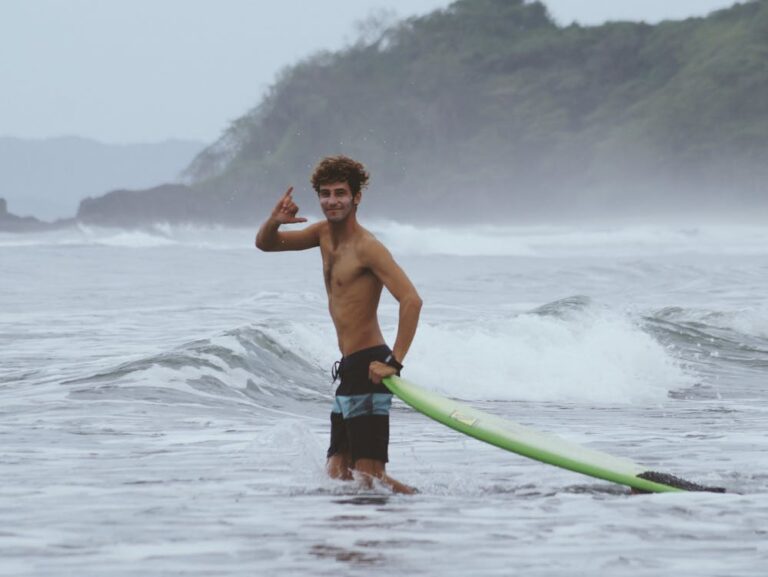
Playa Marbella, Costa Rica, is known for some fantastic surf, as well as scenary, and in this guide we will be showing you the 101 of traveling and finding good surf spots there. Heres a sneak peak to remind you of why you are looking at this page;
Introduction to Surfing in Marbella
Marbella is known for its black sand beaches and powerful swells, it is a destination that appeals to those looking for high-quality waves in a tranquil, off-the-beaten-path setting. The town remains small and undeveloped, maintaining a quiet atmosphere where the rhythm of the day is dictated entirely by the tides and the wind. It is a location that truly embodies the wild beauty of Costa Rica’s North Pacific.
The surfing in Marbella is famous for its punchy, hollow waves. Unlike the long, rolling breaks found in nearby Nosara, Marbella offers faster, more technical barrels that work best on a mid-to-high tide. The setup here is incredibly consistent, often picking up more swell than its neighbors, which makes it a favorite for experienced surfers seeking heavier beach breaks. It is a place where you can find great conditions in a rugged environment that feels untouched by major commercialization.
Best Season to Surf in Marbella
- The High Swell Season: May to October. This period experiences the strongest ocean energy. The waves are large and provide long rides through sections that can become hollow. The landscape is vibrant and green during these months, and the ocean is typically smooth in the early mornings.
- Beginner Recommendation – The Dry Season: December to April. This is the ideal time for organized conditions and more manageable waves. The offshore winds are constant and the weather remains clear for long periods. It is an excellent season for intermediate surfers to practice on the beach breaks.
- General Recommendation – The Transition Months: April and November. These months provide a useful combination of good waves and pleasant weather. You can often experience the first significant swells of the year while enjoying sunny conditions.
Surf Spots
Playa Marbella: It is a powerful beach break known for its hollow lefts and rights. It works best on an incoming mid-tide and can produce world-class barrels. It is a high-performance wave that requires quick take-offs and precise positioning.
Playa Frijolar: This stretch of beach offers various peaks that are slightly more protected than the main Marbella peak. It provides a mix of sandy bottom and occasional rock sections, offering a slightly more approachable session depending on the swell direction.
Playa Coco: Located just north of Marbella, this is a more secluded beach break. It offers punchy waves and is often completely uncrowded. It is a great alternative for surfers looking for solitude in a raw, natural setting.
Playa Nilo: A quiet beach further south that requires a larger swell to really turn on. It offers a scenic surfing experience and is a fantastic spot for those who enjoy exploring the coastline for empty peaks.
Nosara: Just about 40 minutes down the road you have Nosara, a word-famous surf area. If you are interested in general Nosara, check out my Surfing in Nosara guide, or if you specifically want to stay in Guiones, then check out my Surfing in Guiones guide.
Surf Lessons and Stay
Pipas Surf House is the primary hub for surfing in Marbella, offering a welcoming atmosphere and expert local guidance. They provide both professional surf lessons and comfortable accommodations, making it an excellent base for travelers. Their instructors have an intimate knowledge of the local sandbars and tides, ensuring guests are always in the water at the right time to catch the best waves Marbella has to offer.
How to get to Marbella
Marbella is best reached via LIR Guanacaste Airport in Liberia, which is about a two-hour drive. While the main roads in the region are improving, the final stretch to Marbella involves unpaved gravel roads that can be challenging. A 4×4 vehicle is highly recommended, especially during the green season, to navigate the terrain safely and explore the nearby beaches. You can also drive from San José, which takes approximately 4.5 to 5 hours.
General Costs and Considerations
Marbella is a quiet town with limited amenities, so prices are generally moderate. Expect to spend between $60 and $110 per day for food and lodging. There are no major banks or ATMs in the immediate village, so it is essential to carry enough cash (Colones or USD) for your stay. There are a few local restaurants and a small grocery store, but for more extensive shopping, you would need to drive to Santa Cruz or Nosara.
Travel Advisories
The waves in Marbella are powerful and the currents can be quite strong; it is not recommended for unsupervised beginners. Always check the tide chart as the rocks can become a factor at very low tide. Because of the remote location, ensure your vehicle is in good condition and has a spare tire. As always, use high-quality sun protection and stay hydrated in the intense Guanacaste heat.
Other things to do in Marbella
- Beachcombing: The black sand beaches are perfect for long, quiet walks, especially during the golden hour before sunset.
- Visit San Juanillo: A 20-minute drive south takes you to one of the most beautiful white-sand coves in Costa Rica, ideal for snorkeling and swimming in calm turquoise waters.
- Tide Pool Relaxation: At low tide, explore the rocky edges of the beach to find natural pools perfect for a cool soak.
Conclusion on Marbella
Marbella is a destination for the dedicated surfer who values quality waves and a peaceful, rural environment. It offers a glimpse into the “old” Costa Rica, where nature remains the primary focus. Whether you are charging the barrels at Playa Marbella or enjoying the hospitality at Pipas Surf House, the experience is one of raw beauty and high-energy surf. It is a quiet paradise that rewards those willing to venture off the paved roads.
FAQ: Travel Essentials for Marbella
What is the average water temperature?
The water is warm year-round, averaging 28C (82F) in the summer and 29C (84F) during the green season.
What wetsuit thickness do I need?
No wetsuit is necessary. Most surfers wear board shorts or swimsuits, though a rash guard is recommended for sun protection.
Which airport should I arrive at?
LIR Guanacaste Airport (Liberia) is the closest international airport, located about a two-hour drive away.
What is the currency and which languages are spoken?
The Colón ₡ is official, but US Dollars $ are accepted. Spanish is native, and English is spoken at surf-related businesses.
Is this location good for beginner surfers?
Generally, no. Marbella is famous for its heavy, hollow waves and strong currents. It is best suited for intermediate and advanced surfers.
Other Blogs on Costa Rica
I have written exstensively about Costa Rica, if you are interested in learning more about all the spots and towns to surf in, check out my master blog post Surfing in Costa Rica.