Surfing Montezuma, Costa Rica: A Beginner Surf / Lessons Guide

Take a sneakpeak at the waves you will encounter while surfing in Montezume, Costa Rica; and stick around for a beautiful surf guide of the spots, schools for lessons, and surf camps guide;
Introduction to Surfing in Montezuma
Montezuma is a bohemian coastal village located on the southern tip of the Nicoya Peninsula. Known for its artistic community and stunning waterfalls, it also serves as a peaceful destination for surfers seeking a more secluded experience. The town is surrounded by rugged cliffs and dense jungle, providing a dramatic setting where the natural environment remains remarkably preserved. It is an ideal location for those who appreciate a quiet, walking-based lifestyle and a community focused on wellness and nature.
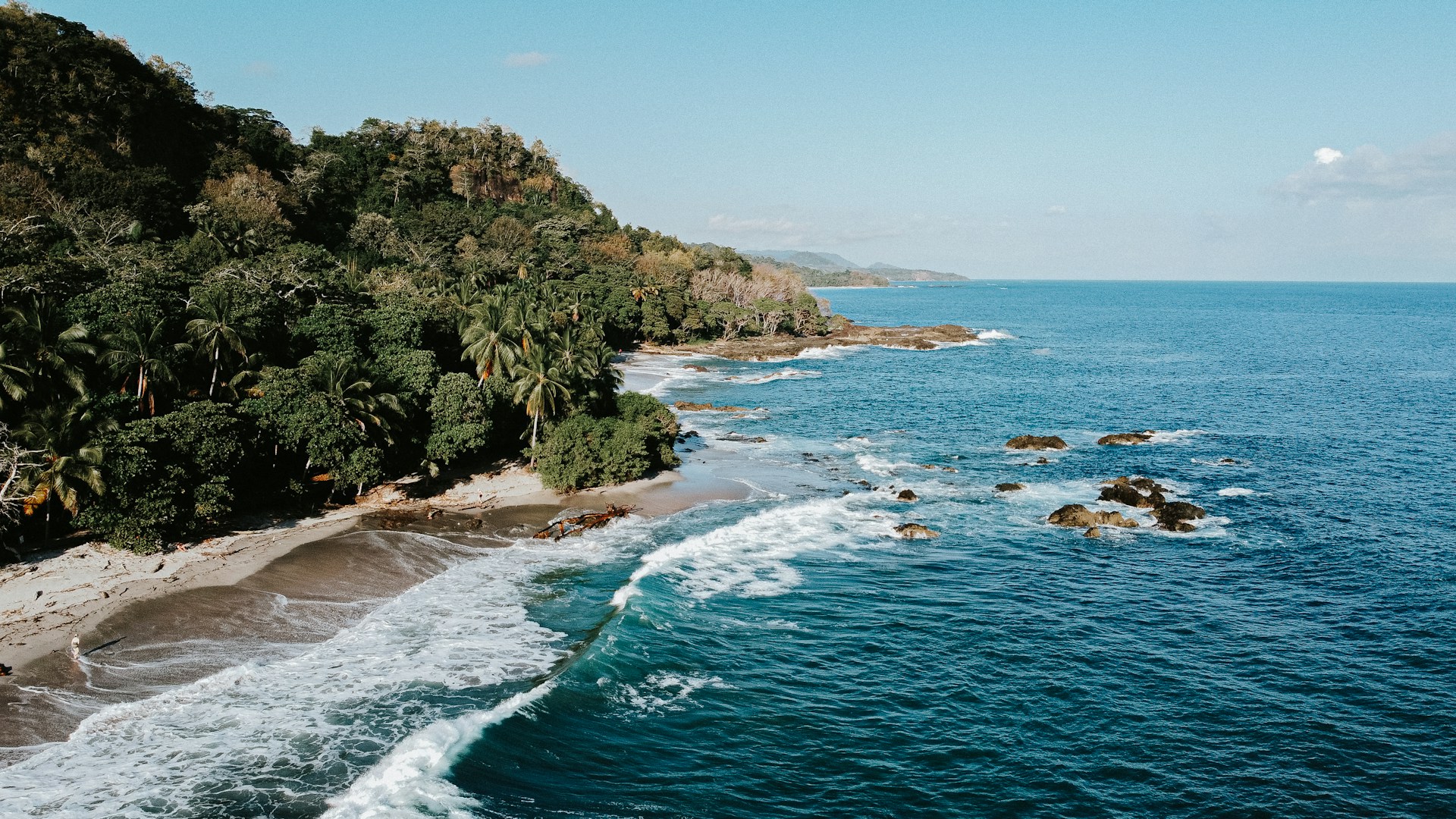
Another beautiful coastline of Costa Rican.
The surfing in Montezuma is characterized by its variety and scenic access. While the immediate town beach is more suited for swimming, the nearby nature reserves hold high-quality breaks that are often uncrowded. The waves in this region tend to be slightly smaller and more manageable than the powerful swells of the western coast, making it a fantastic area for those developing their skills. Accessing the best spots often requires a pleasant hike through the jungle, allowing surfers to see monkeys and diverse birdlife before even reaching the water.
Best Season to Surf in Montezuma
- Main Surf Season — May to October: South and southwest groundswell pushes through the Nicoya Gulf and brings Montezuma’s most energetic surf, waking up the southern points and Playa Grande sandbars. July through September are the heart of the swell run, with the biggest, most consistent pulses; September and October are also the wettest, so early sessions matter.
- Shoulder Season — April and November: April sees the first southern pulses arrive while the dry season is still holding on, creating a lively hand-off between seasons. November brings easing rain, quieter lineups and a gradual return of cleaner conditions as the green season winds down.
- Dry Season — December to March: Sunny skies, offshore mornings and smaller, friendlier waves make this the gentlest window for beginners and longboarders. The bay and nearby beaches can go quiet between pulses, but December through March still offers the most reliable mix of sunshine and rideable surf.
Surf Spots
Playa Grande: This is the primary surf beach in Montezuma, located about a twenty-minute walk north of town through a nature reserve. It is a long, sandy beach break that is highly regarded as one of the best beginner beaches in the country. The waves are consistent and gentle, providing long rides over a soft bottom.
Los Cedros: Situated south of town, this is a scenic point break that produces a peeling left-hand wave. It requires a significant southern swell to function and is best surfed at high tide to avoid the rocky bottom. It is a favorite for local surfers when the conditions align.
Cabuya: Located further south near the entrance to Cabo Blanco National Park, Cabuya features several reef and point breaks. The waves here can be quite long and are usually less crowded than more well-known spots. It is best suited for intermediate surfers due to the rocky underwater terrain.
Santa Teresa: While a thirty-minute drive away, Santa Teresa is often visited by those staying in Montezuma for its world-class consistency. It offers powerful beach breaks that work at almost any tide. It is a great option for those looking for more intensity and a wider variety of peaks. If you want to learn more about this area check out my Surfing in Santa Teresa guide.
Playa Montezuma: The main beach directly in front of the village is generally better for swimming and sunbathing. However, during very large swells, small waves can form near the rocky sections that are suitable for a casual session.
Surf Schools and Camps
By The Wave offers professional instruction with a focus on local knowledge and safety. Their instructors are experienced in guiding students through the jungle path to Playa Grande, ensuring they arrive ready for a productive session. They provide all necessary equipment and emphasize a patient, personalized approach to coaching.
Peaks ‘n Swells provides a comprehensive surf retreat experience that combines high-quality coaching with comfortable beachfront living. The camp is designed for families and individuals looking to progress quickly in a supportive environment. Their programs often include video analysis and guided trips to various breaks around the peninsula.
Other things to do in Montezuma
- Montezuma Waterfalls: A series of three impressive waterfalls located just a short hike from the town center. The lower fall is perfect for swimming in a large, cool freshwater pool.
- Cabo Blanco Nature Reserve: Visit the oldest protected area in Costa Rica for a challenging hike through the forest that ends at a pristine, white-sand beach.
- Tortuga Island: Take a boat tour to this nearby island for snorkeling in clear turquoise waters and a traditional lunch on the beach.
Conclusion on Montezuma
Montezuma is a destination that appeals to the soul as much as it does to the surfer. It offers a rare opportunity to catch high-quality waves in a setting that feels truly remote and natural. Whether you are walking the jungle path to Playa Grande or exploring the reefs of Cabuya, the sense of adventure is always present. For those looking to escape the busier tourist tracks, Montezuma provides a perfect balance of tranquility and surf. It is a location that deserves a spot on any Costa Rican itinerary.
FAQ: Travel Essentials for Montezuma
What is the average water temperature?
The water in Montezuma is warm year-round. In the summer (December to April), it averages 28C or 82F. During the winter or green season (May to November), it remains very comfortable, averaging 29C or 84F.
What wetsuit thickness do I need?
No wetsuit is required. Due to the tropical temperatures, most surfers wear board shorts or a swimsuit. A rash guard is highly recommended to protect against the sun and board wax, but neoprene insulation is not necessary.
Which airport should I arrive at?
The primary international gateway is SJO Juan Santamaría Airport in San José. From there, you can take a domestic flight to TMU Tambor Airport, which is the closest local strip to Montezuma, followed by a 25-minute taxi ride.
What is the currency?
The official currency is the Costa Rican Colón ₡, though US Dollars $ are widely accepted.
Which languages are spoken?
Spanish is the official language, but English is very common in Montezuma among local business owners, instructors, and the international community.
Is this location good for beginner surfers?
Yes, Montezuma is an exceptional choice for beginners. Playa Grande is a premier learning beach because the waves are typically smaller and softer than those on the open Pacific coast, and the sandy bottom provides a safe environment for practice.
Other Blogs on Costa Rica
I have written exstensively about Costa Rica, if you are interested in learning more about all the spots and towns to surf in, check out my master blog post Surfing in Costa Rica.