Surfing in Playa Manuel Antonio and Espadilla: Best Surf Spots, Lessons, and Beaches Guide
Introduction to Surfing in Manuel Antonio and Espadilla
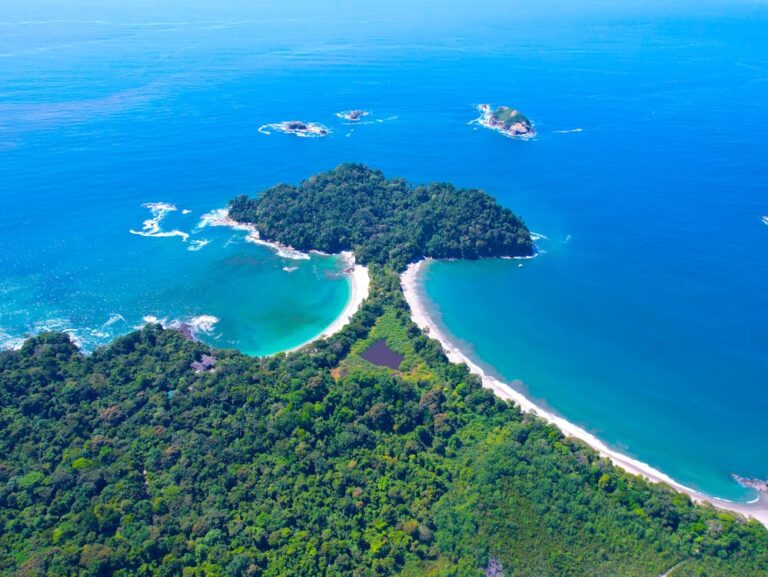
Manuel Antonio is one of the most celebrated destinations in Costa Rica, offering a unique combination of biodiversity and accessible surf. The primary beach, Playa Espadilla, serves as a beautiful backdrop where the rainforest meets the shore. It is an excellent location for those who wish to combine wildlife viewing with a relaxed surfing experience. The town is vibrant and well equipped, making it a favorite for travelers who appreciate both nature and convenience.
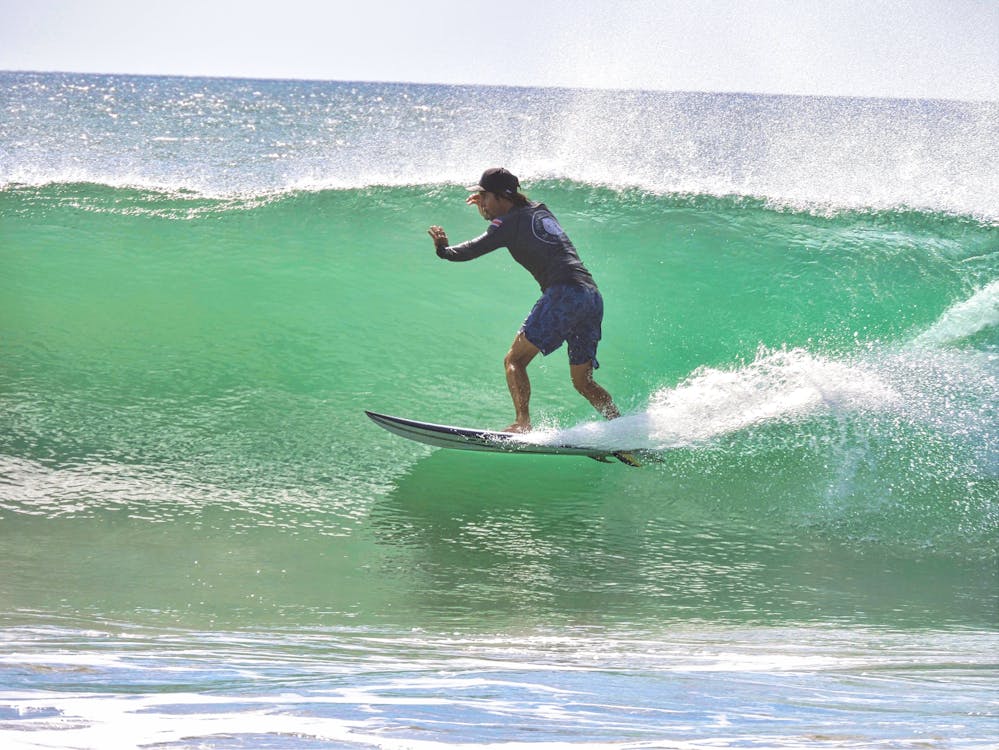
The surfing conditions in this region are generally more forgiving than the heavy breaks found further south. This makes it a premier choice for individuals learning the sport or surfers seeking a more playful environment. With various peaks scattered along the coastline, there is ample space for everyone. Between sessions, it is common to see monkeys and sloths in the trees lining the sand, providing an experience that is characteristic of the Central Pacific coast.
Best Season to Surf in Manuel Antonio and Espadilla
- The High Swell Season: May to October. This period experiences the strongest ocean energy. The waves are large and provide long rides through sections that can become hollow. The landscape is vibrant and green during these months, and the ocean is typically smooth in the early mornings.
- Beginner Recommendation – The Dry Season: December to April. This is the ideal time for organized conditions and more manageable waves. The offshore winds are constant and the weather remains clear for long periods. It is an excellent season for intermediate surfers to practice on the beach breaks.
- General Recommendation – The Transition Months: April and November. These months provide a useful combination of good waves and pleasant weather. You can often experience the first significant swells of the year while enjoying sunny conditions.
Surf Spots and Beaches
Playitas Beach: Located at the northern end of Espadilla, this spot is known for being more challenging. It features rocky outcroppings that help shape the waves, providing faster and more technical rides for experienced surfers.
Playa Manuel Antonio: Situated inside the national park, this beach is famous for its beauty. The waves here are usually very small and gentle, making it a scenic place for a relaxed swim rather than a serious surf session.
Playa Espadilla: This is the main surfing beach. It is a long sandy stretch with multiple peaks. It is very consistent and provides the ideal environment for lessons and intermediate practice.
Playa El Rey: Located further south, this beach is more secluded and offers a raw coastal experience. It is a beach break that can produce excellent waves when the swell is right, often with very few people in the water.
Biesanz Beach: A small, protected cove with almost no waves. It is an excellent location for snorkeling or paddleboarding when the ocean is calm.
Quepos Rivermouth: This spot is for advanced surfers. It can produce a very long left hand wave during a large swell, but it requires careful timing and knowledge of the currents.
Isla Damas: Accessible only by boat, this island offers remote beach breaks. It provides a sense of adventure and the possibility of finding uncrowded waves in a natural setting.
Domincial: About 40 minutes south you find Dominical, a beautiful little surf town with a handful of breaks. If you want to learn more about surfing here check out my Surfing in Dominical guide.
Surf Schools, Lessons, and Camps
Ceibo Surf School is a local favorite based near the Playitas end of the beach. They are known for their personalized and patient approach, making them a great choice for families and solo travelers alike. Their instructors focus heavily on water safety and proper technique, ensuring a fun and productive session in the water.
Blue Horizon offers professional surf coaching and organized camps with a focus on personalized attention. Their instructors are knowledgeable about the local sandbars and tides, ensuring that students are always in the best possible position to catch waves. They provide a supportive environment for those looking to improve their skills while enjoying the natural beauty of the area.
How to get to Manuel Antonio
The most common way to reach Manuel Antonio is by driving from San José, which takes approximately three hours. The route follows the Costanera Highway and is well paved. Alternatively, you can take a twenty minute domestic flight from San José to the Quepos airport followed by a short taxi ride. Public buses and private shuttles also run frequently between the capital and the coast.
General Costs and Considerations
Manuel Antonio is a popular destination, so prices can be higher than in more remote areas. Plan to spend between seventy and one hundred and twenty dollars per day depending on your choices for dining and lodging. There is an entrance fee for the Manuel Antonio National Park, and it is recommended to book your tickets online in advance. Most establishments accept major credit cards and US dollars.
Travel Advisories
While the beaches are generally safe, always be mindful of occasional rip currents at Playa Espadilla. It is helpful to observe where the surf schools are practicing as they usually choose the safest zones. Use effective sun protection and be cautious with your belongings on the beach, as local wildlife like capuchin monkeys are known to be curious and may investigate unattended bags.
Other things to do in Manuel Antonio
- National Park Tour: Take a guided walk through the Manuel Antonio National Park to see sloths, monkeys, and exotic birds in their natural habitat.
- Catamaran Cruise: Enjoy a boat trip along the coast for opportunities to see dolphins and enjoy the sunset from the water.
- Quepos Marina: Visit the nearby marina for dining, shopping, and to watch the fishing boats return with the daily catch.
Conclusion on Manuel Antonio and Espadilla
Manuel Antonio and Playa Espadilla offer a perfect balance for travelers who want to experience the best of Costa Rican nature alongside a friendly surf culture. It is a location where the waves are inviting and the surroundings are magnificent. Whether you are taking your very first lesson or exploring the more remote beaches nearby, the experience is consistently rewarding. It is an excellent destination for your next trip.
Playa Espadilla: Frequently Asked Questions
Languages Spoken
Spanish is the local language. English is extremely common here, as Manuel Antonio is one of the most visited tourist destinations in the country.
Water Temperature & Gear
The water is consistently warm, averaging 28°C–29°C (82°F–84°F).
- Wetsuit: Not necessary.
- Must-Have: A rash guard is essential for sun protection, especially since the waves here are perfect for long beginner sessions.
Currency & Payments
Both US Dollars (USD) and Colones (CRC) are widely accepted.
- Cards: Accepted at nearly every restaurant, hotel, and shop in the area.
- ATMs: Numerous ATMs are available along the main road connecting Quepos and Manuel Antonio.
- Small Buys: Carry small denominations of Colones for street food or beach chair rentals.
Other Blogs on Costa Rica
I have written exstensively about Costa Rica, if you are interested in learning more about all the spots and towns to surf in, check out my master blog post Surfing in Costa Rica.