Surfing in Santa Teresa: A Sessions Surf Guide
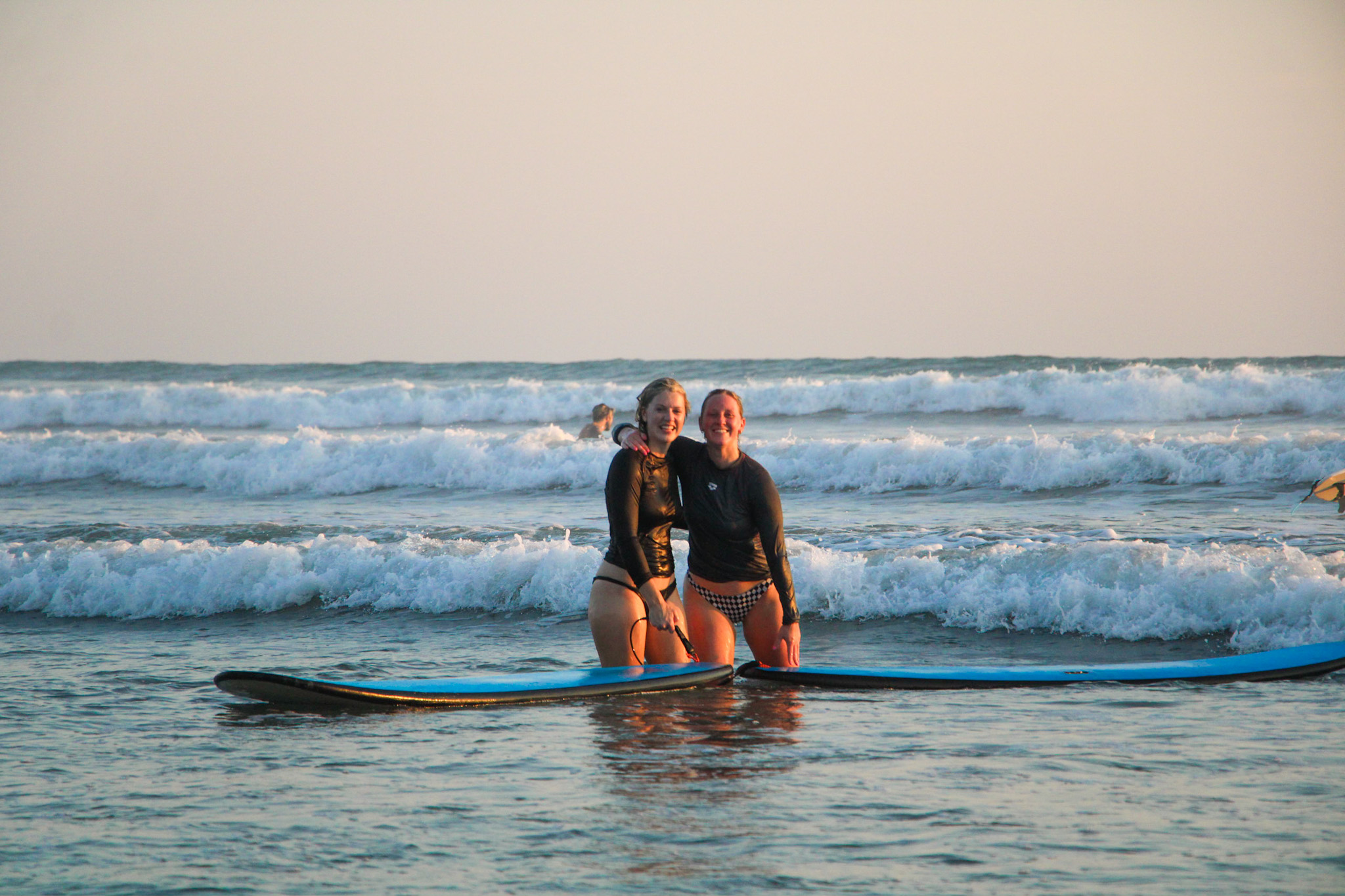
Santa Teresa, Costa Rica, is a paradise well known, but provides endless opportunities to catch a surf session on the endless strech of beach. To get a snippet of what you are traveling here for, check out this video;
Just some action packed surfing on the beaches of Santa Teresa.
Introduction to Surfing in Santa Teresa
Santa Teresa is a world renowned surf destination located on the western edge of the Nicoya Peninsula. Once a remote fishing village, it has transformed into a vibrant international community while maintaining its rugged, end of the road charm. The town consists of a single main road lined with high end restaurants, organic cafes, and surf shops, all tucked beneath a thick canopy of jungle. It is a place that attracts a global crowd of professionals, artists, and surfers seeking quality waves and a wellness oriented lifestyle.
The surfing in Santa Teresa is legendary for its extreme consistency. Because it faces the open Pacific, it receives swell from almost any direction, ensuring that there is a rideable wave nearly every day of the year. The breaks here are fast and can be quite punchy, offering exciting conditions for those who enjoy high performance surfing. Despite its growing popularity, the long stretch of coastline provides plenty of space for the many peaks to work, making it a premier location for a dedicated surf trip.
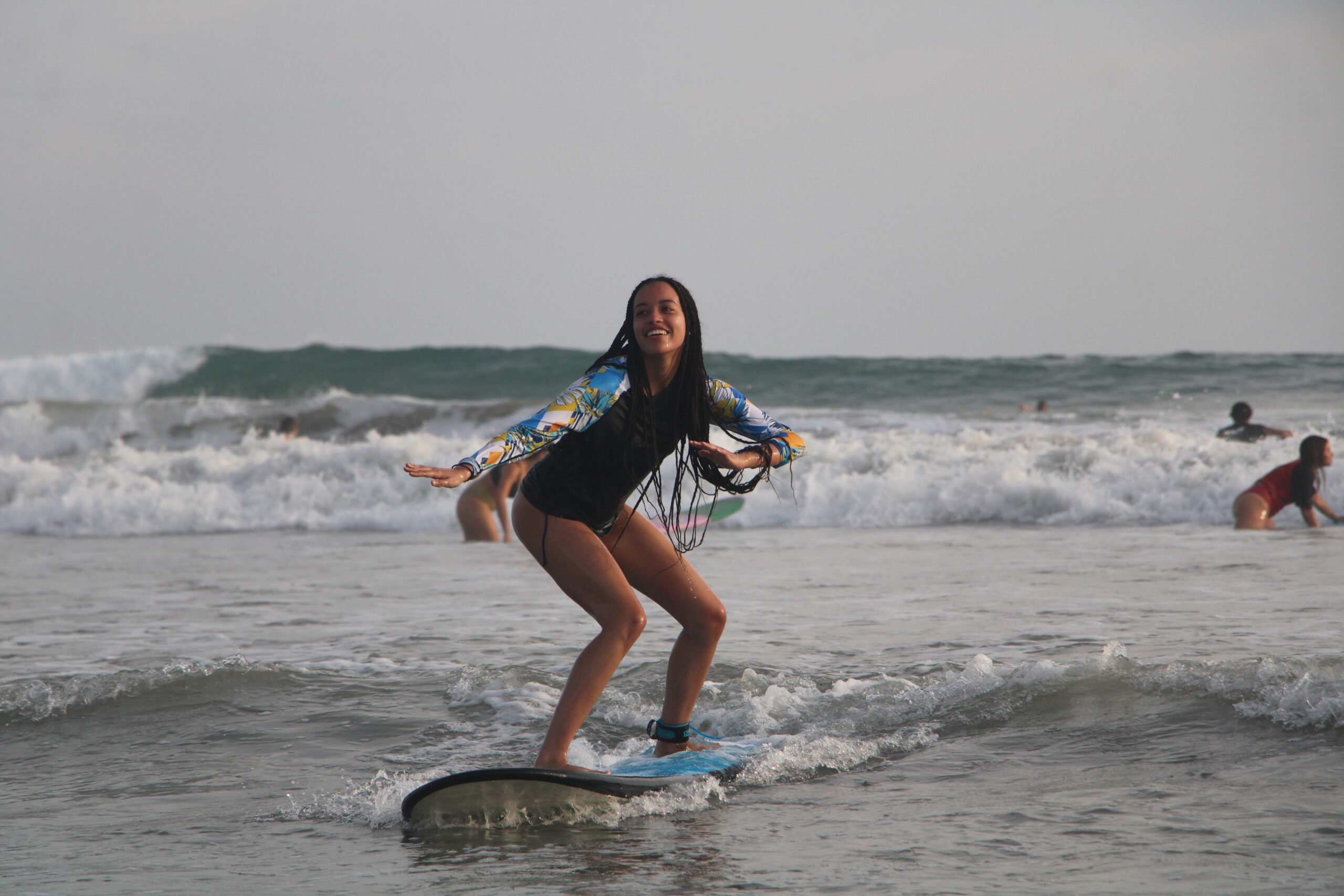
A young surfer enjoying her time with Mahalo Surf Club.
Best Season to Surf in Santa Teresa
- Main Season — April to October: Santa Teresa’s finest surf window arrives with the southern hemisphere swells that push up the Pacific coast of Costa Rica during the rainy season. Consistent, powerful groundswells deliver the most rewarding waves of the year to the beaches and breaks along the Nicoya Peninsula throughout these months, and the offshore winds that characterise the mornings here during the green season produce the clean, well-shaped conditions that have made Santa Teresa one of the most celebrated surf destinations in Central America.
- Dry Season — November to March: Smaller, more manageable surf and the dry season sunshine make this the most accessible and socially lively time of year in Santa Teresa. The beach breaks remain active and enjoyable throughout and the combination of consistent waves across all four main beaches and the full energy of the Nicoya Peninsula in high season makes it a deeply enjoyable time for beginners and improvers to learn and progress.
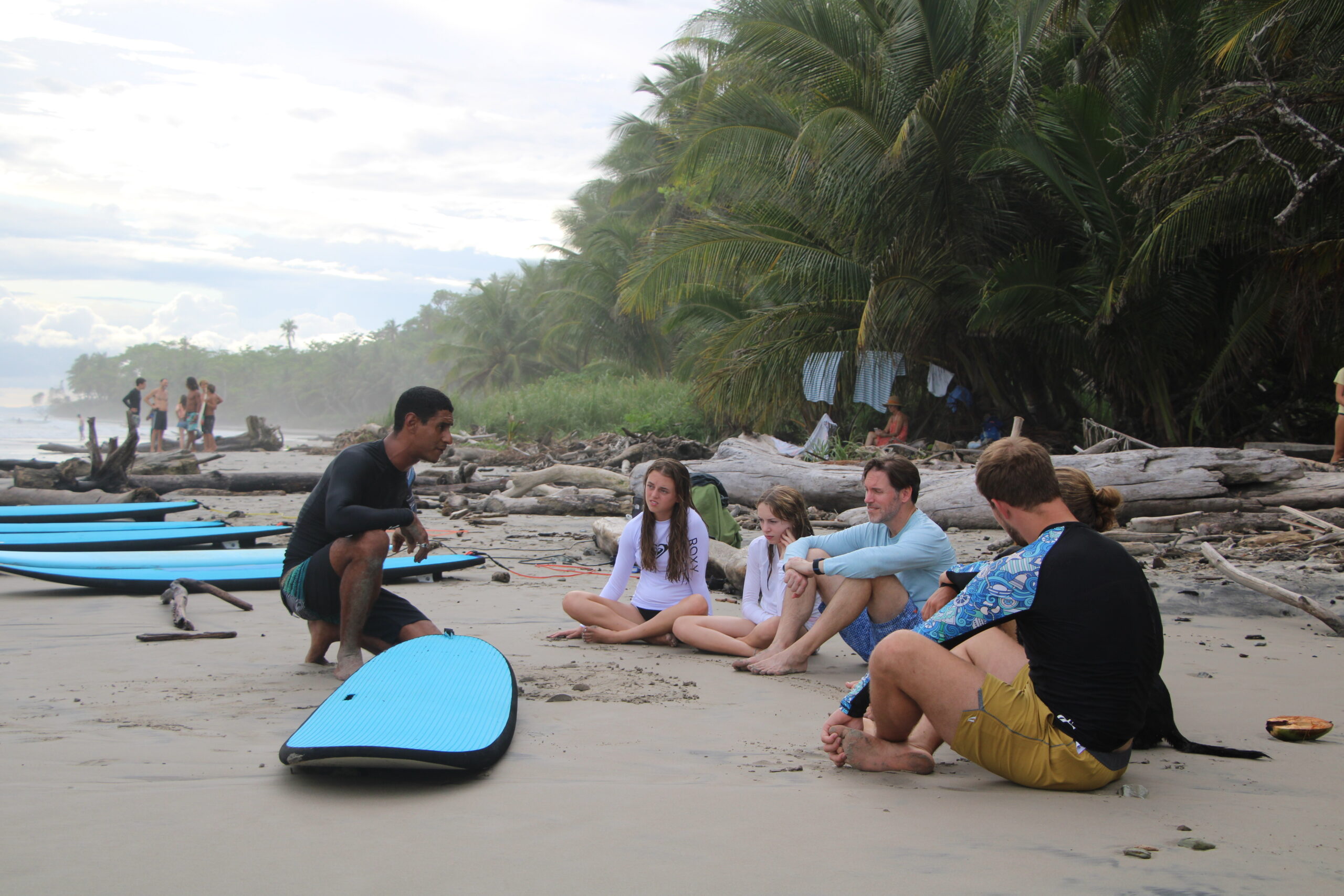
A surf instructor teaching and sharing some insights before a session. Photo provided by Mahalo Surf Club.
Surf Spots
Santa Teresa Beach: The primary beach break in the area. Handling a variety of conditions, Santa Teresa works for individuals of all levels. Here depicted, is obviously for the more advanced.
Some perfect vibes on the Santa Teresa sand bars.
Playa Carmen: Located at the southern end of the town, this is a more versatile beach break. It features a mix of sand and rock bottom sections that help create consistent lefts and rights.
Just as fun waves just down the beach in Playa Carmen
Surf Schools Recommendation
Mahalo Surf Club
Mahalo Surf Club is a community-first surf school on Calle Gallo Pinto in Santa Teresa, founded by Maykol, a multi-sport enthusiast and native of the area who discovered his passion for surfing in Santa Teresa and built the school specifically to share that joy with visitors. As an ISA-certified coach and licensed ocean lifeguard, Maykol brings a combination of formal qualification and genuine local knowledge that makes every session both safe and deeply personal.
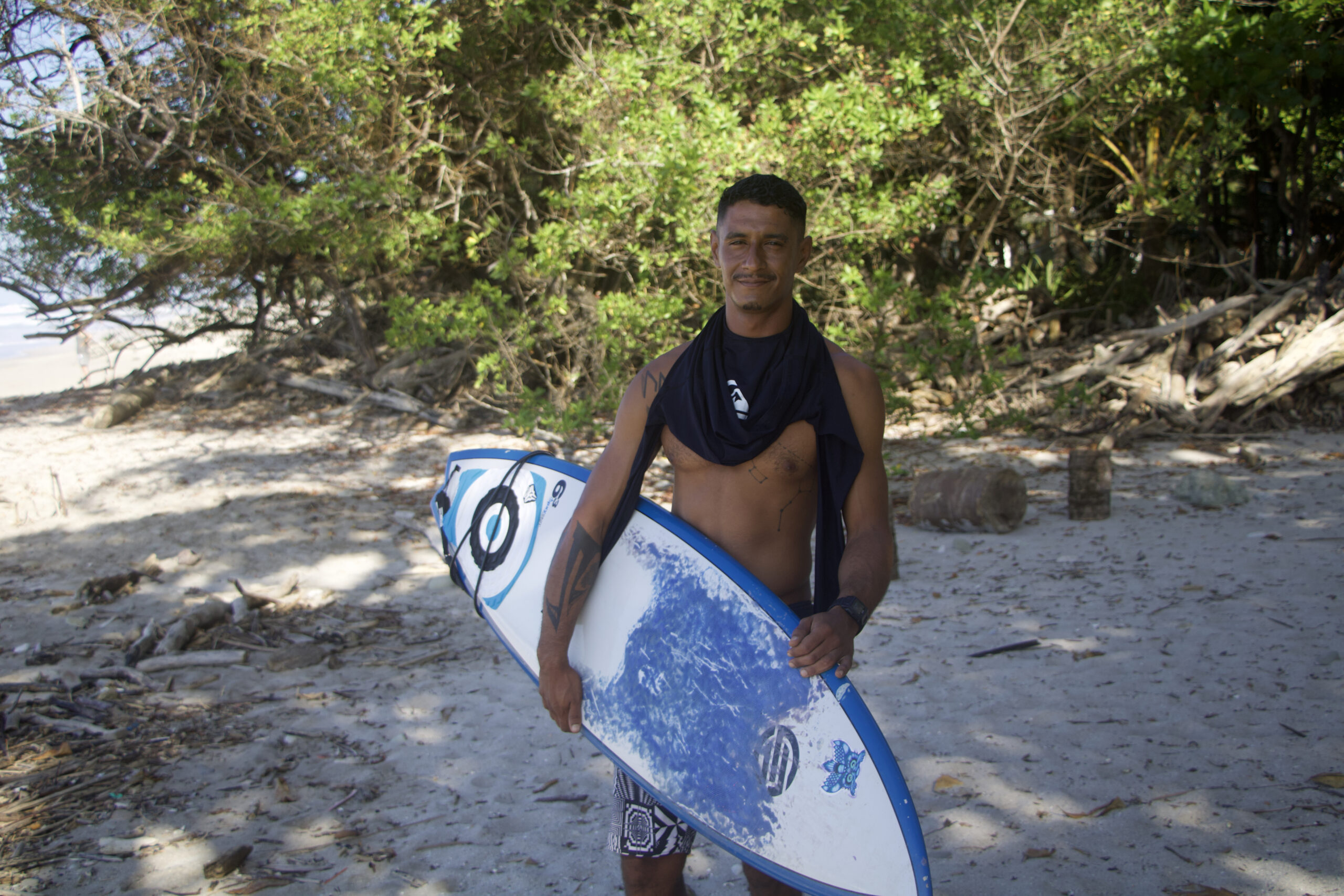
Maykol, founder and owner of Mahalo Surf School posing for the shot.
The school teaches beginner, intermediate, and advanced surfers across the breaks of Santa Teresa and local beaches, choosing the right spot each day based on the conditions and the level of the group. Group lessons, private sessions, surf skate coaching, drone content creation, and guided surf tours are all available, making Mahalo one of the most complete and versatile surf operations on the peninsula. For anyone arriving in Santa Teresa wanting proper instruction delivered with warmth, expertise and the genuine spirit of Costa Rican surf culture, Mahalo is the natural first call.

Maykol, and his dog, heading out for session.
Other things to do in Santa Teresa
- Yoga at Sunset: Many world class retreats offer open yoga classes on decks overlooking the Pacific, providing a perfect way to recover after a day of surfing.
- Montezuma Day Trip: Take a short drive to visit the famous waterfalls and bohemian shops of the neighboring town of Montezuma.
- Mal Pais Tide Pools: Explore the massive natural rock pools in nearby Mal Pais during low tide for a relaxing soak in the salt water.

Another surfer enjoying the waves. Photo provided by Mahalo Surf Club.
Conclusion on Santa Teresa
Santa Teresa is everything a surf destination should be. The waves are consistent year-round and capable of genuine world-class quality during the best swells, the setting is extraordinary with white sand beaches, coconut palms and the wild Pacific pressing in from every direction, and the town that has grown up around the surf is vibrant, international and entirely alive with the culture of the ocean.
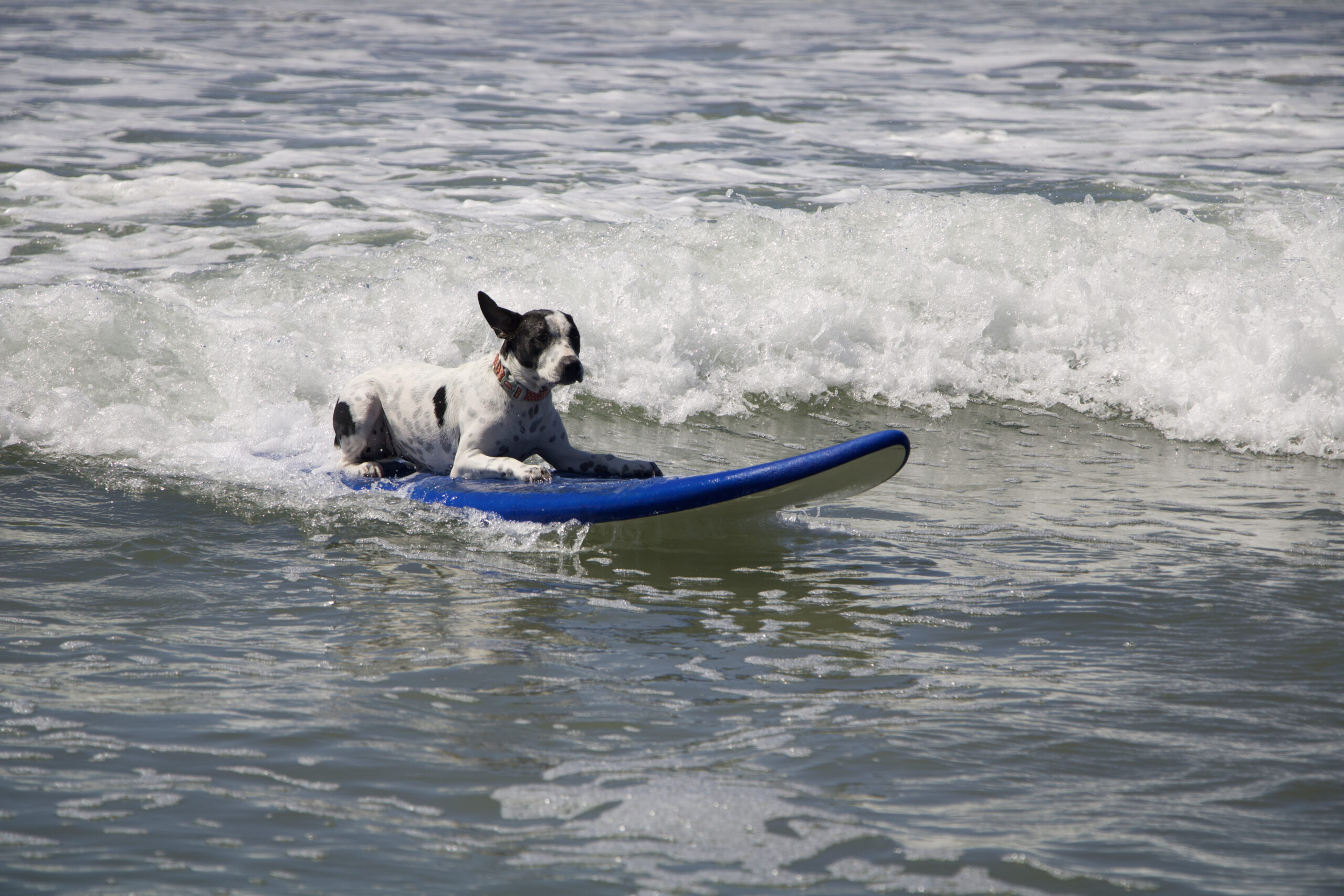
The team mascot of Mahalo Surf Club enjoying a ride as well.
It is a destination that rewards every level of surfer across every season and that manages, despite its growing reputation, to retain a warmth and authenticity that many of the world’s celebrated surf towns have long since lost. With Mahalo Surf Club providing the best gateway into the water on the Nicoya Peninsula, there is very little standing between you and the finest surf experience Costa Rica has to offer.
FAQ: Travel Essentials for Santa Teresa
What is the average water temperature?
The water in Santa Teresa is consistently warm. In the summer (December to April), it averages 28C or 82F. During the winter or green season (May to November), the temperature remains around 29C or 84F.
What wetsuit thickness do I need?
No wetsuit is required. Surfers typically wear board shorts or swimsuits year round. A rash guard is highly recommended to protect your skin from the sun and the surfboard wax, especially during long sessions.
Which airport should I arrive at?
SJO San José is the most common international gateway. From there, you can take a domestic flight to TMU Tambor for the fastest access. Travelers coming from the north may also use LIR Guanacaste Airport in Liberia, which is about a four hour drive away.
What is the currency and which languages are spoken?
The local currency is the Costa Rican Colón ₡, but US Dollars $ are accepted everywhere. Spanish is the official language, but English is spoken fluently by almost everyone in the service and surf industries due to the large international population.
Is this location good for beginner surfers?
Yes, provided you go to the right spot. Working with a local school, like Mahalo Surf Club, is the best way to ensure you find the appropriate conditions.
Other Places to Surf in Costa Rica?
I have written exstensively about Costa Rica, if you are interested in learning more about all the spots and towns to surf in, check out my master blog post Surfing in Costa Rica.