Surfing Witch’s Rock, Costa Rica: Surf Spot and Camp Guide
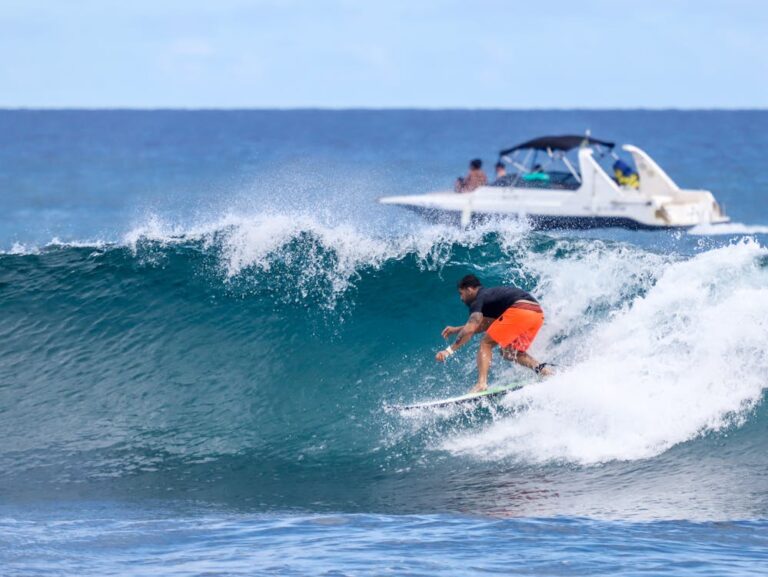
This will be a guide to surfing Witch’s Rock, both the best surf camp to get access to the wave, and the spots surrounding it. Yet, as you probably know this famous wave, take a reminder of a video and read on;
Introduction to Surfing at Witch’s Rock
Witch’s Rock, known locally as Roca Bruja, is perhaps the most legendary surf spot in Costa Rica. Immortalized by the film The Endless Summer II, this ancient volcanic monolith rises dramatically from the sea within the Santa Rosa National Park. Because the spot is located in a protected wilderness area, there are no buildings, hotels, or roads leading directly to the sand. The result is a pristine, raw surfing environment where the only spectators are the local crocodiles and sea turtles.
The surfing experience here is world-class, defined by perfectly groomed sandbars and exceptionally strong offshore winds. During the dry season, the Papagayo winds blow from the land toward the sea, holding up the faces of the waves and creating long, hollow barrels. It is a place of intense natural beauty and high-performance surfing, offering a level of isolation and wave quality that few other spots in Central America can match.
Best Season to Surf at Witch’s Rock
- The High Swell Season: May to October. This period experiences the strongest ocean energy. The waves are large and provide long rides through sections that can become hollow. The landscape is vibrant and green during these months, and the ocean is typically smooth in the early mornings.
- Beginner Recommendation – The Dry Season: December to April. This is the ideal time for organized conditions and more manageable waves. The offshore winds are constant and the weather remains clear for long periods. It is an excellent season for intermediate surfers to practice on the beach breaks.
- General Recommendation – The Transition Months: April and November. These months provide a useful combination of good waves and pleasant weather. You can often experience the first significant swells of the year while enjoying sunny conditions.
Surf Spots at Witch’s Rock
Witch’s Rock (Roca Bruja)
The primary attraction is the sandbar break directly in front of the massive rock. It offers world-class lefts and rights that are famous for their tubular shape and long, fast walls. The spot is highly dependent on the tide, generally performing best at mid-to-high tide when the water covers the outer sandbars correctly.
Ollie’s Point (Potrero Grande)
While often visited on the same boat trip, Ollie’s Point is located further north. It is a world-class right-hand point break that offers exceptionally long, peeling rides over a cobble-stone and sand bottom. It is a more forgiving wave than the hollow peaks of Witch’s Rock but requires a solid swell to fully wrap into the point.
Playa Naranjo
This is the actual beach where Witch’s Rock is located. Stretching for miles, the beach offers various other peaks away from the main rock. These spots are often completely empty, providing a solitary surfing experience for those willing to walk or boat a bit further down the coast.
Surf Camps and Logistics
Based in nearby Tamarindo, Witch’s Rock Surf Camp is the premier provider for excursions to this remote break. They offer all-inclusive surf tours that include boat transportation, park permits, and professional coaching. Their legendary “Surf Bus” and fleet of boats make reaching this isolated national park seamless, allowing you to focus entirely on the waves while they handle the complex logistics of park entry.
How to get to Witch’s Rock
There are only two ways to reach Witch’s Rock: by boat or by a grueling 4×4 overland trek. Most surfers choose the boat option, departing from Playas del Coco or Tamarindo; the boat ride takes between 45 and 90 minutes.
General Costs and Considerations
Because the spot is remote, a trip to Witch’s Rock is an investment. Boat charters typically cost between $400 and $800 depending on the size of the group and the point of departure. There are also national park entry fees ($15 per person) that must be paid in advance. There are no facilities—no water, food, or shade—on the beach, so you must bring everything you need for the day with you on the boat.
Travel Advisories
Witch’s Rock is located in a wild national park. Be highly aware of local wildlife; crocodiles are known to frequent the estuary at the southern end of the beach. The offshore winds during the dry season can be incredibly strong, sometimes making it difficult to paddle into waves. Because you are far from medical help, it is vital to surf within your limits. Always carry plenty of water and high-zinc sunblock, as the sun reflects intensely off the white sand and water.
Other things to do in Santa Rosa National Park
- Hiking Trails: Explore the dry forest trails within the park, which is one of the last remaining tropical dry forests in the world.
- Historical Sites: Visit the La Casona monument, a historical hacienda that played a pivotal role in Costa Rican military history.
- Wildlife Viewing: Santa Rosa is home to monkeys, deer, coatis, and a wide variety of bird species that are often visible from the boat or the beach.
Conclusion on Witch’s Rock
Surfing Witch’s Rock is a “bucket list” experience for any dedicated surfer. It represents the perfect intersection of raw nature and world-class wave mechanics. While the logistics of reaching the rock require planning and effort, the reward of seeing that massive volcanic stone silhouetted against a perfect sunset after a day of barrels is incomparable. It remains the crown jewel of Costa Rican surfing—a powerful reminder of the beauty of the wild Pacific.
FAQ: Travel Essentials for Witch’s Rock
What is the average water temperature?
The water averages 27C (81F). During the dry season, the strong offshore winds can cause “upwelling,” which occasionally drops the water temperature significantly.
What wetsuit thickness do I need?
Usually, none. However, during the windy months (Jan-March), a 1mm or 2mm neoprene top is recommended in case the water temperature dips due to the winds.
Which airport should I arrive at?
LIR Guanacaste Airport (Liberia) is the best gateway, as it is only 45 minutes from the boat departure points in Playas del Coco.
What is the currency and which languages are spoken?
The Colón ₡ is official, but US Dollars $ are standard for boat charters. Spanish is native, but all boat captains and guides speak English fluently.
Is this location good for beginner surfers?
Generally, no. The waves are powerful, the offshore winds are strong, and the location is extremely remote. It is best suited for intermediate and advanced surfers.
Other Blogs on Costa Rica
I have written exstensively about Costa Rica, if you are interested in learning more about all the spots and towns to surf in, check out my master blog post Surfing in Costa Rica.