Surfing in Crozon, France: Surf Camps and Travel Guide
Introduction to Surfing Crozon
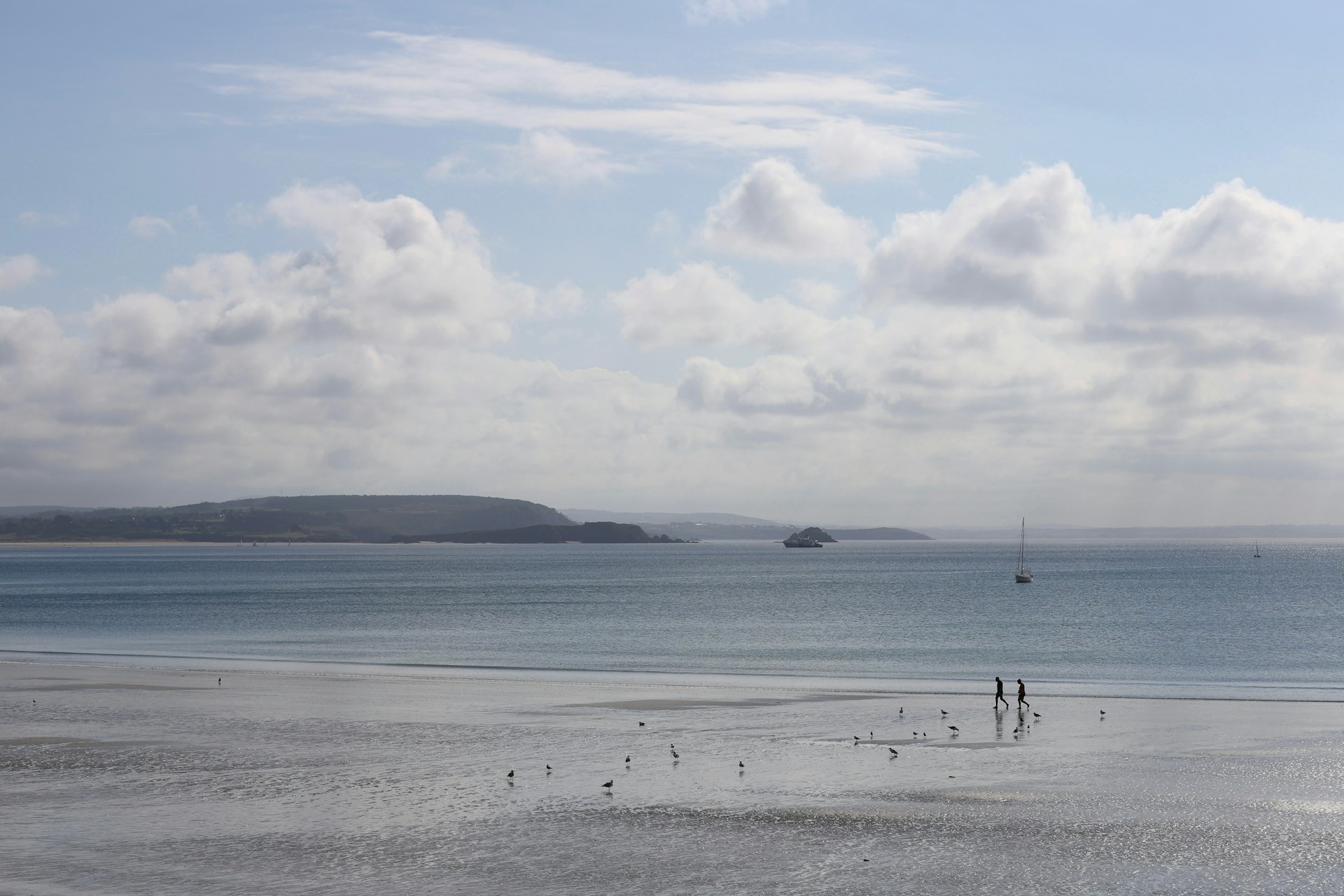
The Crozon Peninsula is a rugged, cross-shaped piece of land at the westernmost tip of Brittany, offering some of the most dramatic and consistent surfing in France. Part of the Armorique Regional Natural Park, Crozon is defined by towering cliffs, hidden turquoise coves, and a landscape that feels untouched by time.
Because the peninsula faces three different directions, it is a master of versatility; when one side is blown out by Atlantic gales, another often offers clean, offshore conditions. Surfing here is a visceral experience, where the power of the Iroise Sea meets the ancient granite of the Finistère coast. Crozon is the definitive choice for surfers seeking a wild, nature-focused escape with high-quality waves and breathtaking scenery, all the while in the heart of France.
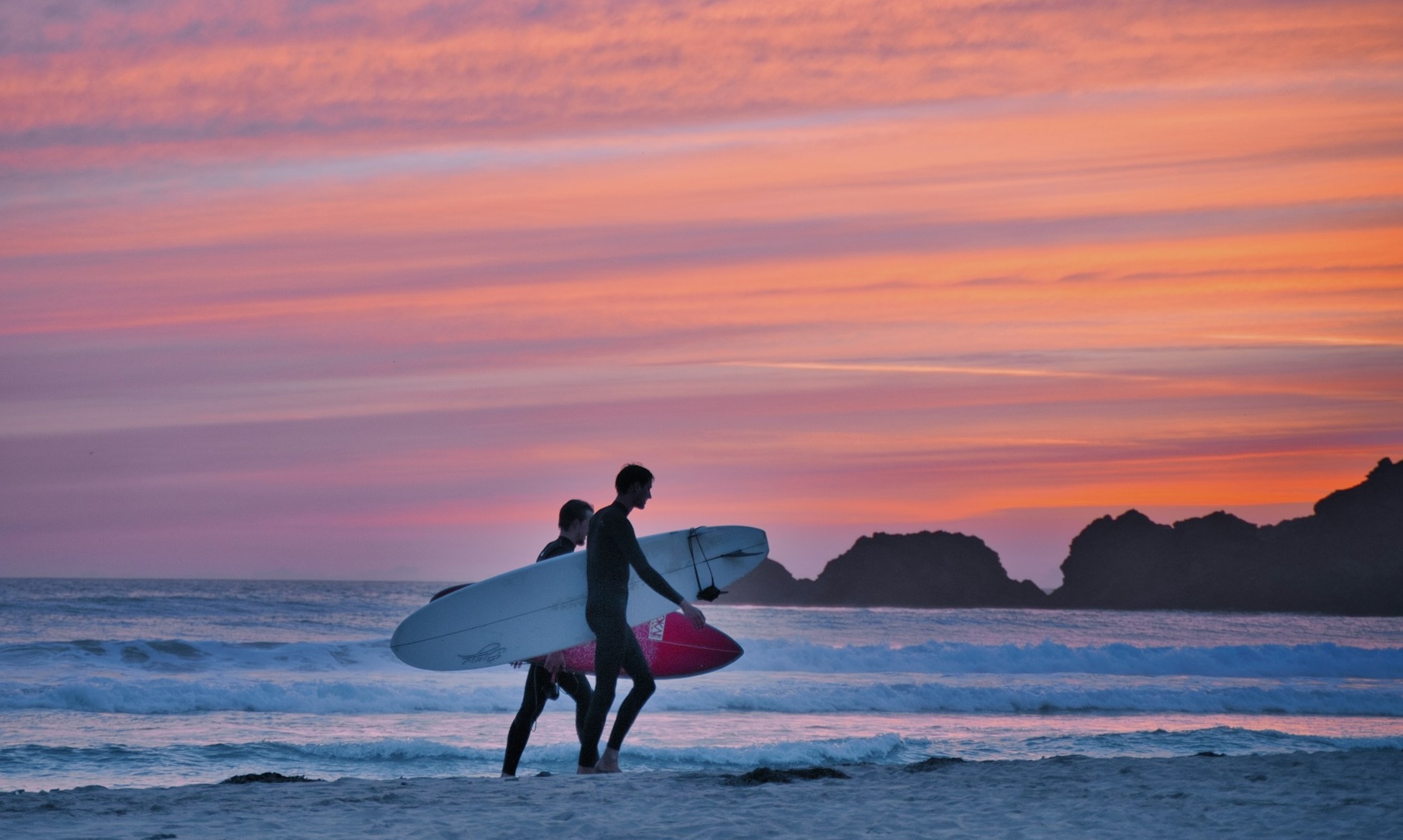
A beautiful sunset along the rugged coastline of Crozon.
Best Season to Surf Crozon
- Winter Season – November to February: The Crozon Peninsula juts deep into the Atlantic and is one of the most exposed stretches of coastline in all of France. Winter swells arrive with considerable power and the variety of breaks across the peninsula means experienced surfers can find shelter or seek out the full force of the ocean depending on their preference. Wild, dramatic, and deeply rewarding.
- Summer Season – June to August: Lighter swells and warmer conditions open the peninsula up to beginners and touring surfers exploring Brittany for the first time. The region draws visitors drawn to its dramatic coastal scenery and national park landscapes as much as the surf itself. A good time to combine surfing with hiking and exploring one of the most naturally beautiful coastlines in Western Europe.
- Shoulder Season – March to May / September to November: The standout season for intermediate and experienced surfers alike. Autumn especially delivers powerful, well-organised Atlantic swells that wrap beautifully around the peninsula’s many headlands and coves. The summer tourists have gone, the landscape takes on a wilder and more elemental character, and the surf can be exceptional. Crozon at this time of year feels like a genuine discovery.
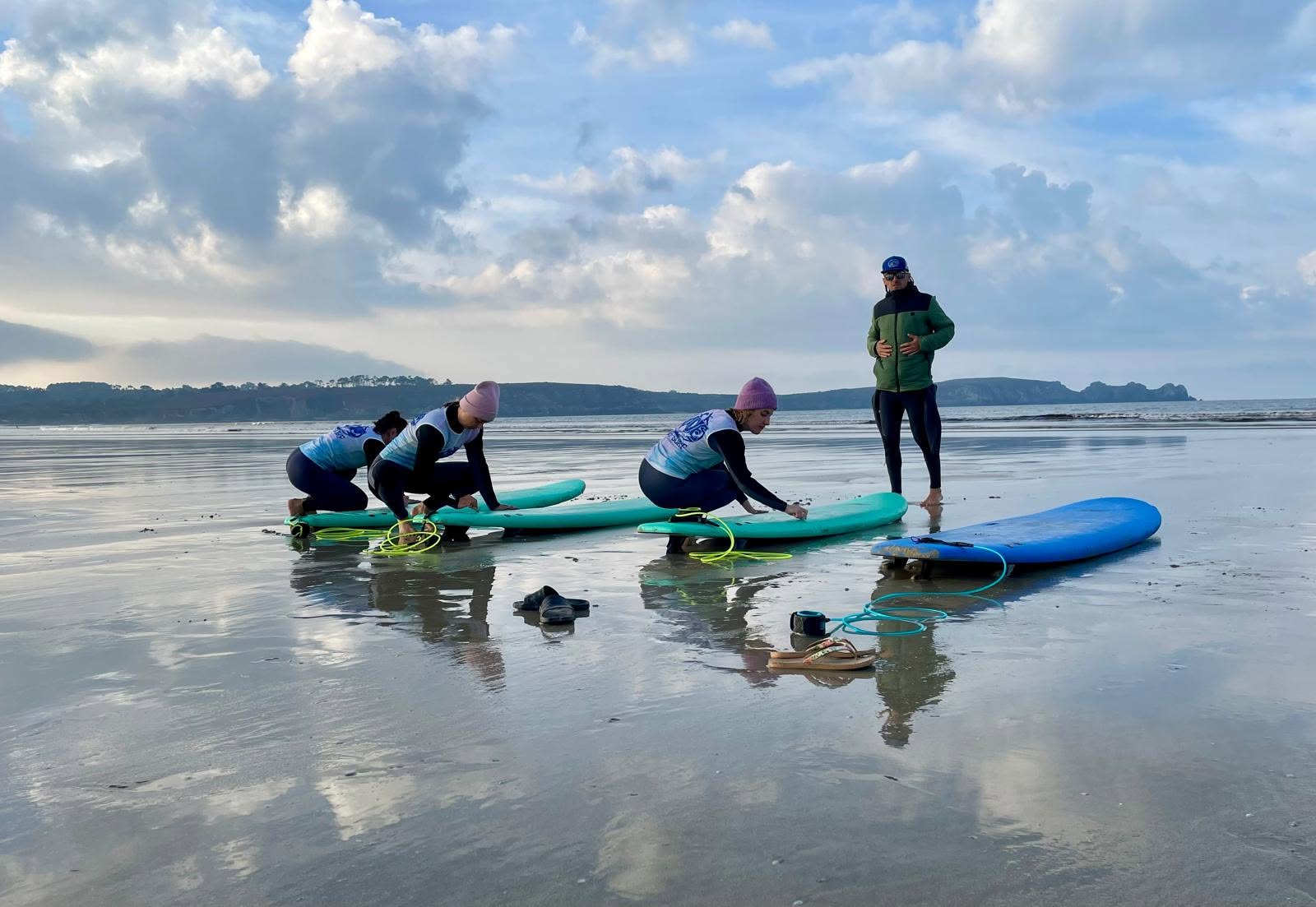
The surf school at Love Yoga Surf preparing for some lessons on a brisk morning in Crozon.
Surf Spots and Beaches in Crozon
Plage de la Palue
Plage de la Palue is widely considered the most consistent surf spot in Brittany. Located on the southern face of the peninsula, this west-facing beach is a massive swell magnet that picks up even the smallest Atlantic pulses.
Because the beach is so expansive, the sandbanks shift frequently, creating a variety of lefts and rights. It is best surfed from mid-to-high tide. While it is a paradise for experienced surfers, beginners can also have fun when the swell is smaller.
Example of some of the fantastic waves to be experienced around Crozon, and specifically on la Palue.
Surf Camps and Lessons
Run by Benjamin Hamon, Love Yoga Surf is a surf and yoga school rooted deeply in the wild landscape of the Crozon Peninsula. Benjamin brings years of travelling and surfing the world’s coastlines back to his home region, combining surf instruction with a genuinely mindful approach to yoga that goes well beyond a simple warm-up routine.
The school offers standalone surf lessons, yoga sessions, and immersive surf and yoga camps where guests stay, eat, and practice together. The food is organic and locally sourced, and the overall experience is designed to slow you down and reconnect you with something essential. So, if you are in the Crozon area, then certainly check out Love Yoga Surf for a session!
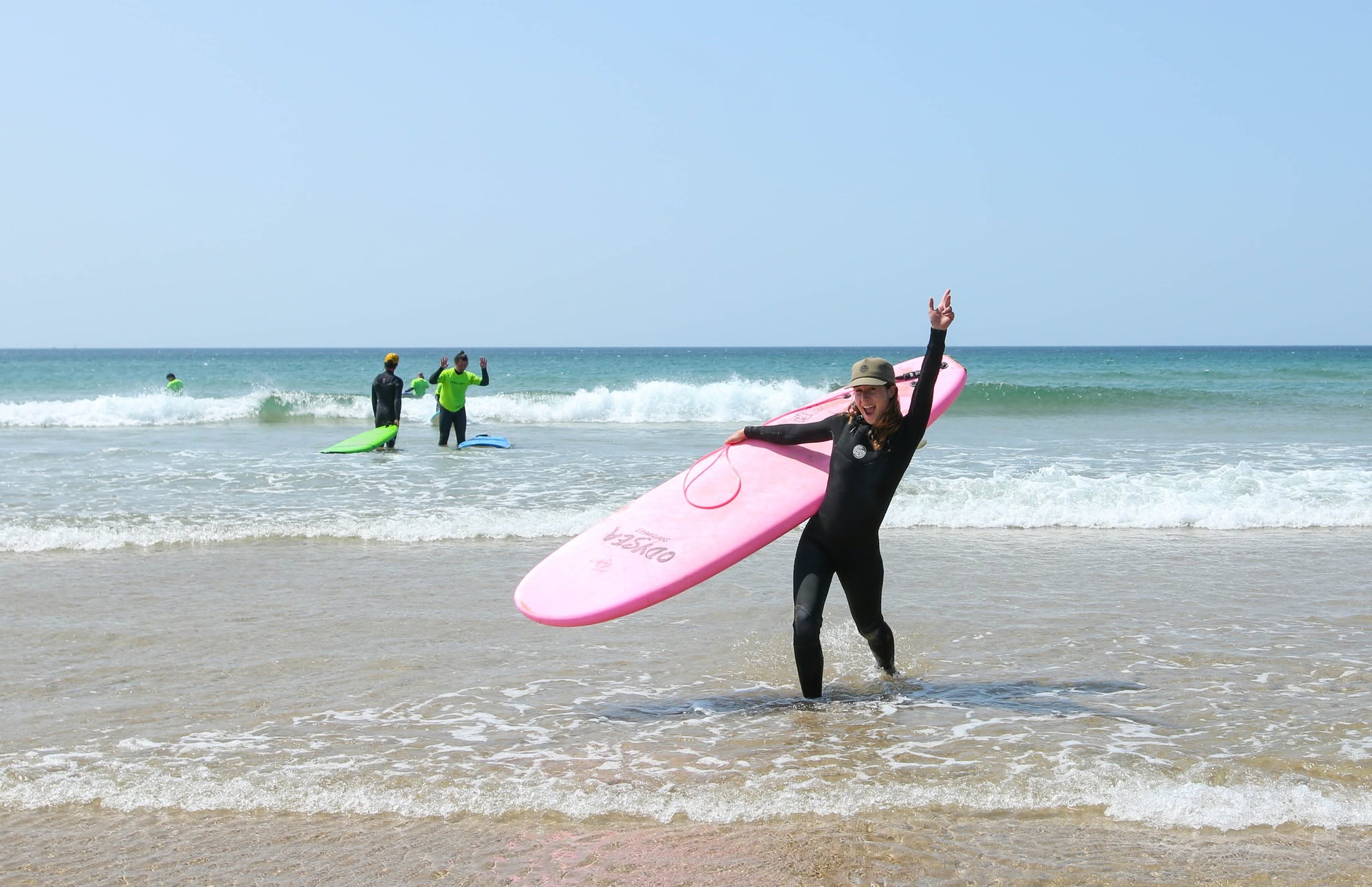
An absolutely psyched instructor of Love Surf Yoga enjoying the weather in Crozon.
Other Things to Do in Crozon
- Cap de la Chèvre: Hike to this spectacular headland for panoramic views of the Douarnenez Bay and the open Atlantic.
- Morgat Sea Caves: Explore the famous sea caves by kayak or paddleboard to see the vibrant colors reflecting off the water.
- Pointe de Pen-Hir: Visit the “Tas de Pois” (Heaps of Peas) rock formations, a site of incredible natural beauty and a haven for rock climbers.
- Vauban Tower in Camaret: Discover the UNESCO World Heritage fortifications designed to protect the strategic Brest harbor.
- Coastal Path (GR34): Trek segments of France’s most famous coastal trail, which winds along the entire perimeter of the peninsula.
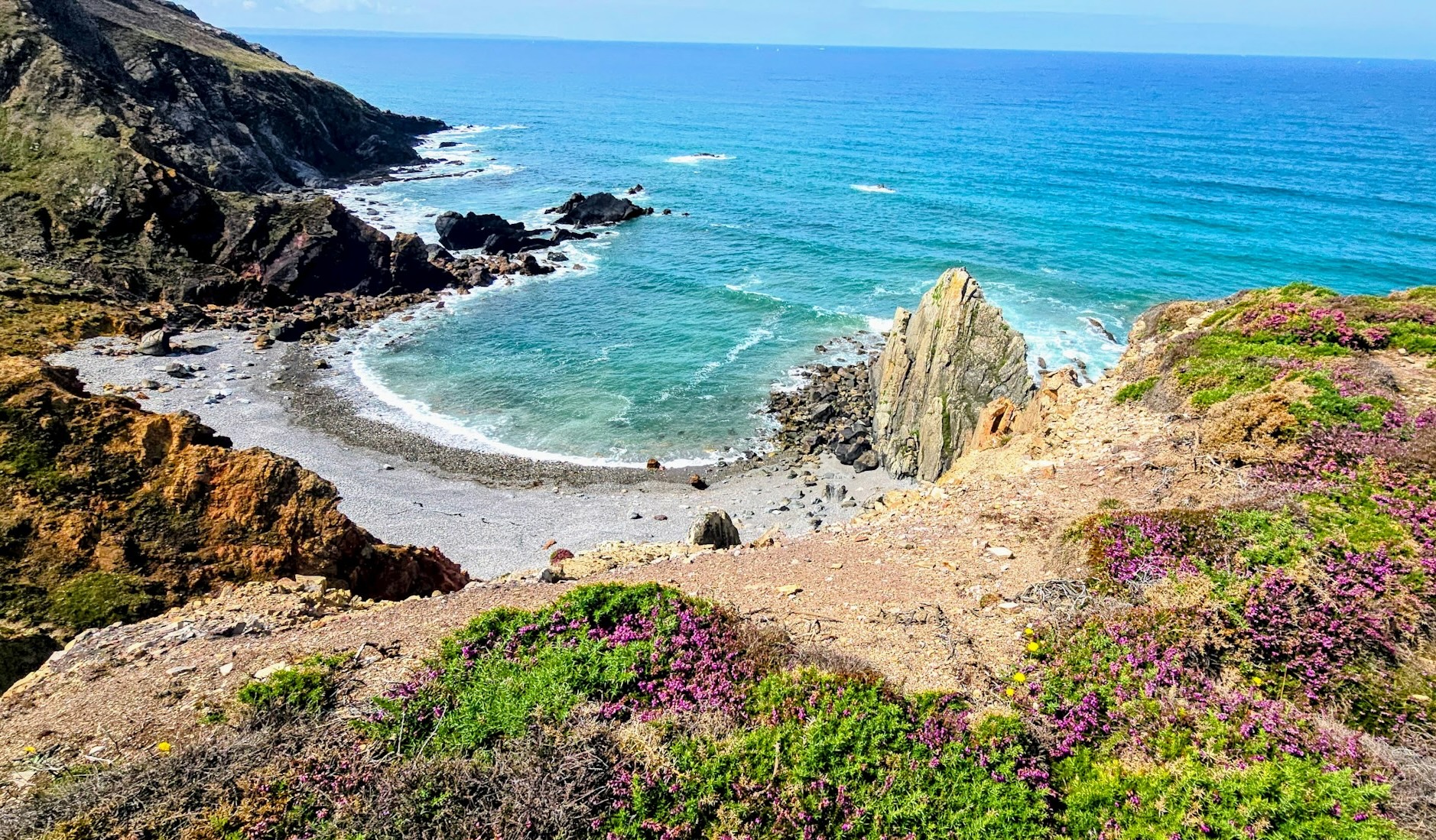
A shot of some of the famous turquoise water that Crozon is known for.
Conclusion on Surfing Crozon
Surfing in Crozon is an invitation to connect with the rawest elements of the French coast. The peninsula’s ability to provide quality waves in almost any condition, combined with the expert guidance of Absolute Surf School, makes it a world-class destination for surfers of all backgrounds.
Whether you are navigating the powerful peaks of La Palue or watching the sunset over the granite cliffs of Pen-Hir, Crozon offers a profound sense of freedom that only the wild tip of Brittany can provide.
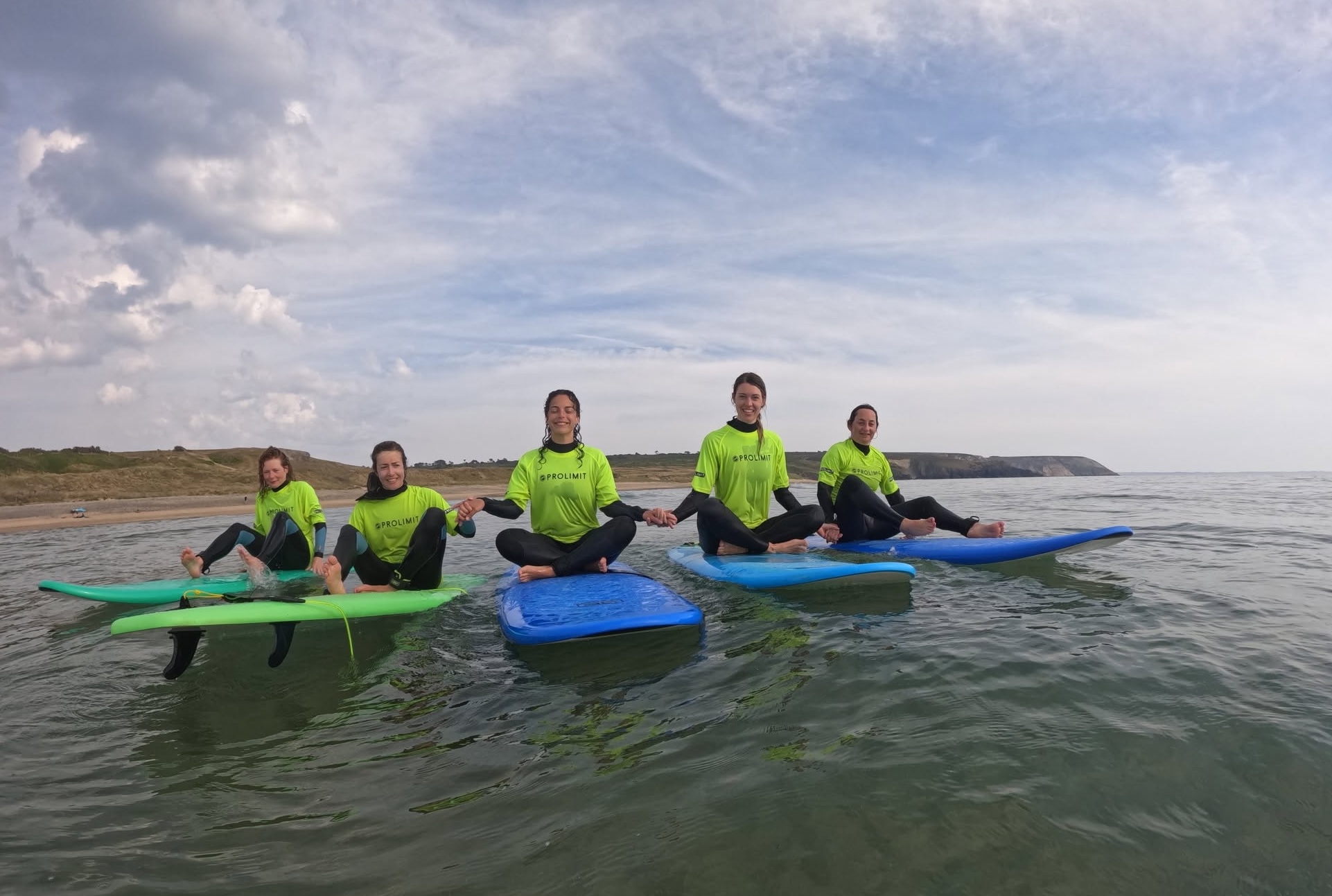
Some students enjoying a day in the water with Love Yoga Surf.
FAQ: Surf Travel to Crozon
Is Crozon good for beginners?
Absolutely, especially during summer!
What is the water temperature?
In summer, the water ranges from 16°C to 19°C (61-66°F). A 4/3mm wetsuit is the most versatile choice for the region, though a 3/2mm can be used on warm summer days.
Is the beach patrolled?
Main beaches like Goulien and La Palue typically have lifeguard stations during the peak summer months of July and August. Always check for safety flags.
How do I get to the peninsula?
Crozon is approximately a 1-hour drive from Brest (BES) airport and train station. It is a remote area, so renting a car is highly recommended for exploring the different spots.
Can I surf at low tide?
Most spots in Crozon perform better from mid-tide to high tide. At very low tide, many of the beach breaks can become quite shallow or close out on the sandbars.
Are there other locations to do a Surf Camp or take a lesson in France?
Check out our Surfing in France Travel Guide if you’re interested in checking out other surfing locations.