Surfing Ile d’Oleron, France: Surf Camps and Spots Guide
Introduction to Surfing Oleron
The Île d’Oléron, known as “Oléron la Lumineuse” for its high sunshine hours, is the second-largest island in Metropolitan France and a premier Atlantic surf destination. Connected to the mainland by a toll-free bridge, this island offers a diverse coastline where wild, pine-fringed beaches meet charming oyster-farming villages. Because of its unique orientation, Oléron acts as a massive swell magnet, picking up Atlantic energy from multiple angles. It provides a more relaxed, island-paced surf experience compared to the mainland, making it a favorite for those seeking a mix of high-quality peaks and authentic maritime culture.
Oléron is the ultimate island escape for surfers who value variety, natural beauty, and a slower pace of life.
Best Season to Surf Oleron
- The High Swell Season: May to October. This period experiences the strongest ocean energy. The waves are large and provide long rides through sections that can become hollow. The landscape is vibrant and green during these months, and the ocean is typically smooth in the early mornings.
- Beginner Recommendation – The Dry Season: December to April. This is the ideal time for organized conditions and more manageable waves. The offshore winds are constant and the weather remains clear for long periods. It is an excellent season for intermediate surfers to practice on the beach breaks.
- General Recommendation – The Transition Months: April and November. These months provide a useful combination of good waves and pleasant weather. You can often experience the first significant swells of the year while enjoying sunny conditions.
Surf Spots and Beaches in Oleron
Plage de Soubregeon
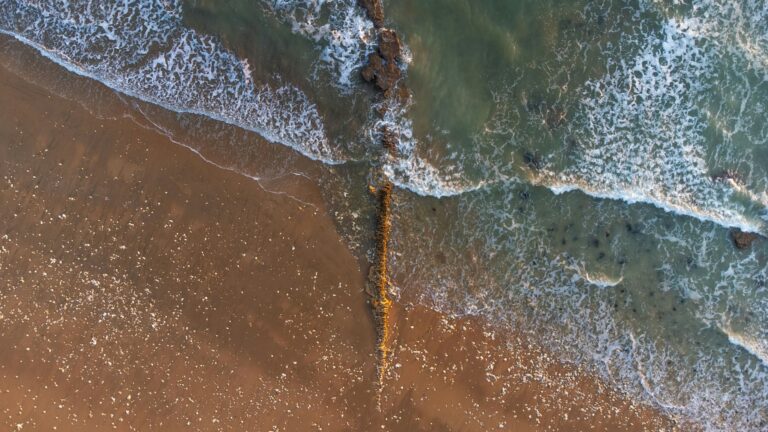
Located near the northern tip of the island near Saint-Denis-d’Oléron, Plage de Soubregeon is a versatile spot that benefits from the island’s unique bathymetry. This stretch of coast features a mix of sand and rock reef, which helps to stabilize the banks and provide more consistent wave shapes than pure beach breaks. It is particularly well-regarded for its long, workable walls that appeal to both longboarders and shortboarders. Depending on the swell direction, Soubregeon can offer everything from gentle rollers for progression to punchy, fast sections when the North Atlantic groundswells wrap around the tip of the island.
A stunning Atlantic spot where the view of the Chassiron lighthouse provides a world-class backdrop to every session.
Surf Camps and Lessons
As one of the most established schools on the island, École de Surf Oléron offers a professional approach to coaching across several local beaches. Their deep understanding of the island’s complex tides and wind patterns ensures that students are always in the best possible conditions for their level.
Origin Surf School focuses on a passionate, technical approach to surfing. Their instructors emphasize the fundamentals of wave reading and ocean safety, helping surfers move beyond the basics to master the island’s diverse range of beach and reef-assisted peaks.
Other Things to Do in Oleron
- Phare de Chassiron: Climb the iconic black-and-white striped lighthouse for a panoramic view of the island and the “Pertuis” straits.
- Oyster Shacks: Visit the colorful “Cabanes des Créateurs” at Le Château-d’Oléron for fresh oysters and local artisanal crafts.
- Salt Marshes: Take a guided tour of the Port-des-Salines to learn about the island’s traditional salt harvesting history.
- Coastal Cycling: Utilize the 160km of dedicated bike paths that connect the island’s forests, marshes, and beaches.
- Fort Boyard Views: Take a boat trip from Boyardville to get a close-up look at the world-famous sea fortress.
Conclusion on Surfing Oleron
Oléron offers a comprehensive surf experience that balances the raw power of the Atlantic with a unique, protected island ecosystem. Its variety of spots—ranging from beginner-friendly sandy coves to more technical reef-assisted breaks—makes it one of the most versatile surfing locations in France.
With guidance from experts like the École de Surf Oléron and Origin Surf School, visitors can navigate the island’s tides to find world-class waves and a deep-rooted maritime spirit that is uniquely Oléronnaise.
FAQ: Surf Travel to Oleron
Which part of the island is best for surfing?
The “Côte Sauvage” (West Coast) is the most consistent for surf. Spots like Soubregeon in the north and Grand-Village in the south are popular hubs.
Is there a bridge toll?
No, the bridge connecting the Île d’Oléron to the mainland is free of charge for all vehicles.
What is the water temperature?
In summer, the water ranges from 18°C to 21°C (64-70°F). A 3/2mm fullsuit is the standard, though a shorty can be used on the warmest days.
Is it good for beginners?
Yes, the island has many protected corners that offer smaller, safer waves even when the main Atlantic beaches are too large.
How do I get there?
The nearest major airport is La Rochelle (LRH), about 1 hour away. You can also take a train to Rochefort or Saintes and continue by local bus.
Are there other locations to do a Surf Camp or take a lesson in France?
Check out our Surfing in France Travel Guide if you’re interested in checking out other surfing locations.