Surfing Germany’s Biggest Island: Sylt Surf Guide
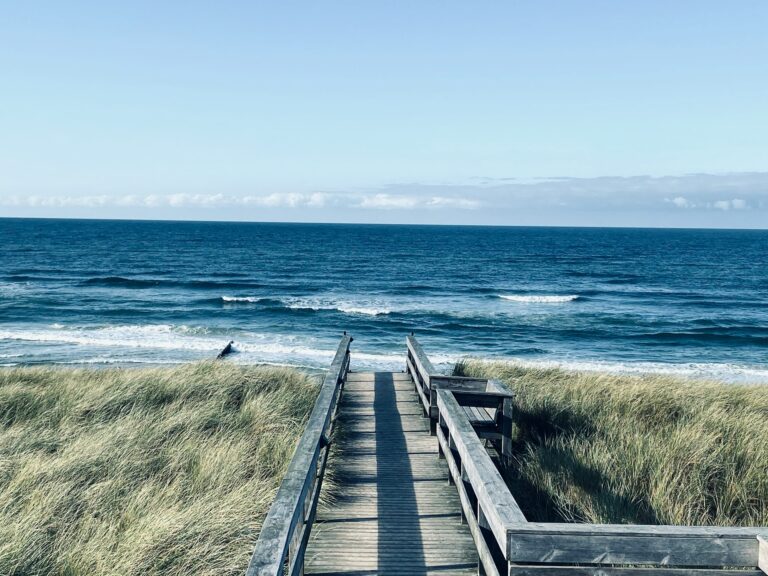
Introduction to Surfing Sylt
Sylt is the largest of the North Frisian Islands and serves as the epicenter of German surf culture. Known for its distinct anchor shape, glamorous seaside towns, and nearly 40 kilometers of continuous sandy beach, Sylt offers a surfing experience that blends high-end lifestyle with North Sea.
The island’s western coast is fully exposed to the open sea, making it the most consistent surf destination in Germany. Surfing in Sylt is a storied tradition; it was here in the 1950s that the first German surfers began riding the North Sea swells. Today, the island hosts major international competitions and boasts a professional, deep-rooted surf community.
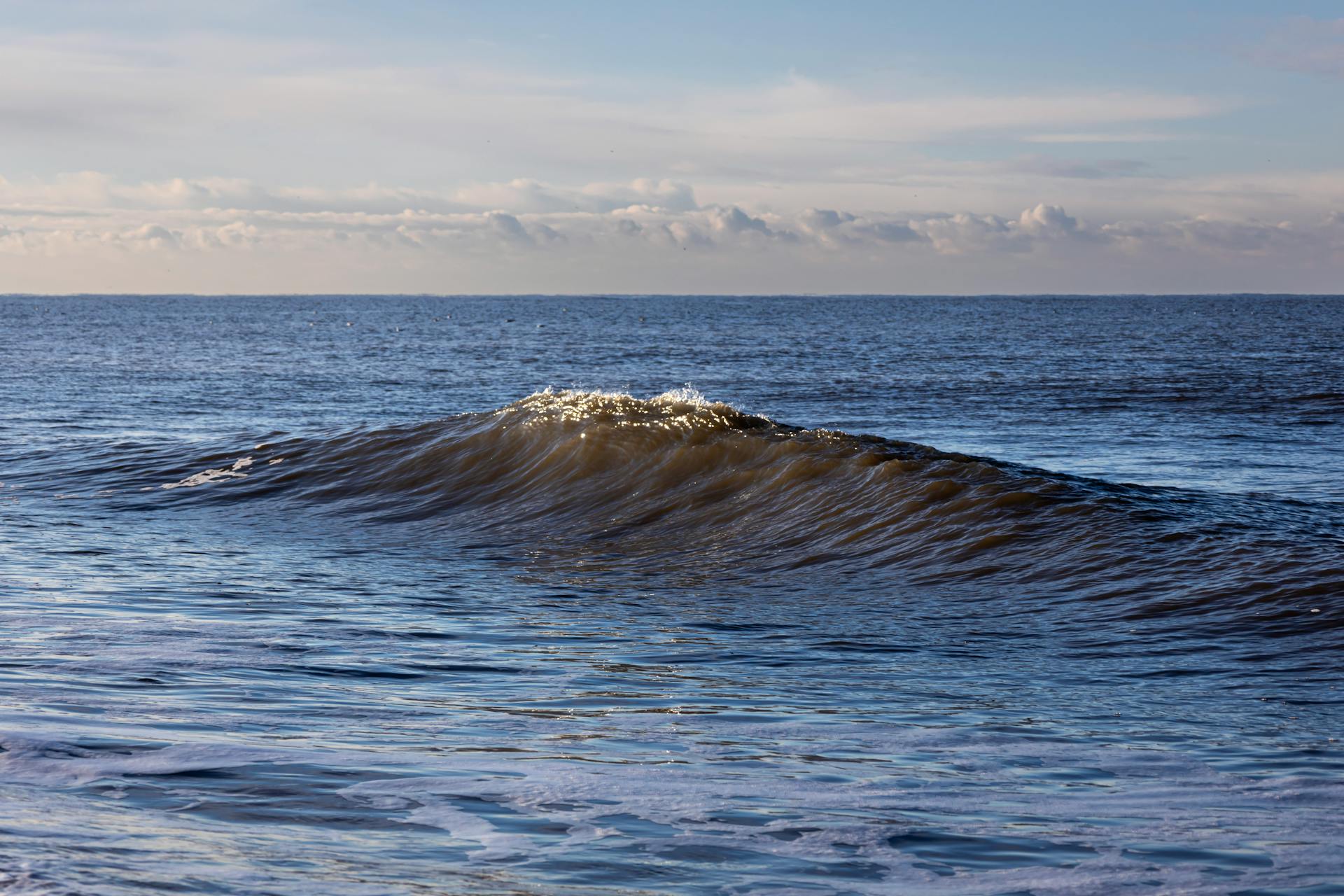
An A-Frame wave breaking on Sylt. Small but fun!
Best Season to Surf Sylt
- The High Swell Season – Surf Recommendation: September to March. This period experiences the strongest North Sea energy. However, the water and air temperatures require high-quality winter gear. Windy and chilly.
- Beginner Recommendation – The Summer Season: June to August. This is the ideal time for manageable waves and warmer conditions. The waves are generally smaller and softer, providing an excellent environment for first-timers and intermediate surfers to practice on the long sandy stretches.
- General Recommendation – The Transition Months: April, May, and October. These months provide a useful combination of decent wave frequency and more pleasant weather. You can often experience clean groundswells while enjoying the first or last sunny days of the season.
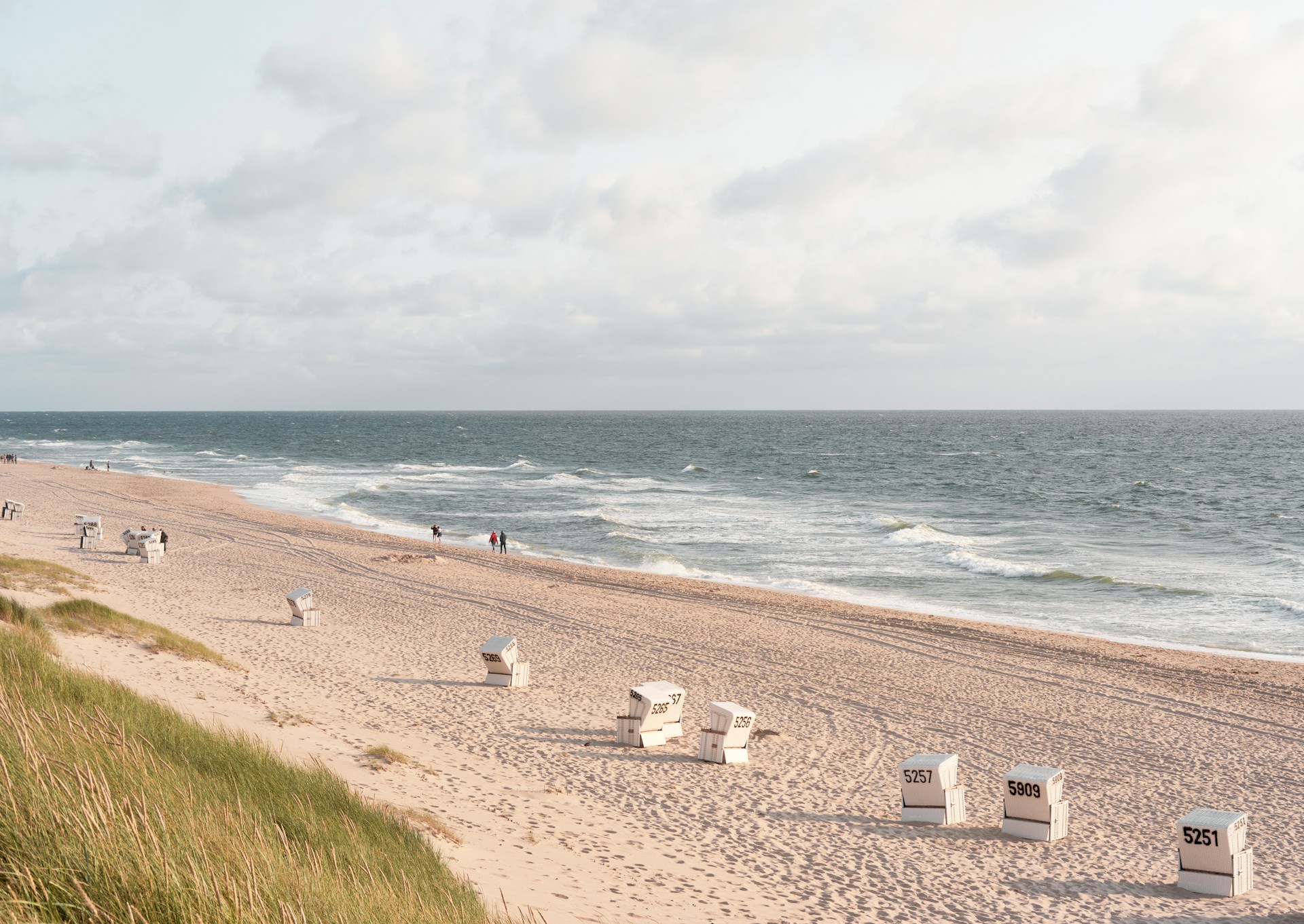
A landscape shot of Sylt with some windchopped waves and a glamorous beach.
Surf Spots and Beaches in Sylt
Sylt Beach (Brandenburger Strand & Westerland)
The primary surfing in Sylt takes place along the western shore, with Westerland’s “Brandenburger Strand” being the most famous hub. This area is known for its consistent and well-defined sandbanks that produce reliable left and right peaks.
The sandy bottom ensures a safe environment for all levels, while the sheer length of the coastline—from List in the north to Hörnum in the south—means that surfers can almost always find a peak for themselves against the backdrop of the island’s protective dunes.
Who would have known! Suprisingly fun waves on Sylt!
Surf Lessons and Camps
Located right at the heart of Westerland’s historic Brandenburger Strand, Ride On is the ultimate center for island surf adventures. This premier school provides expert coaching tailored to the unique North Sea environment, offering lessons and camps for everyone from absolute beginners catching their first whitewater to advanced riders navigating the island’s stronger breaks.
With its top-tier equipment rentals, professional coaching staff, and an unbeatable beachfront location, it offers a high-quality, hassle-free entry to the surf for anyone looking to experience Sylt’s legendary coastal lifestyle.
Other Things to Do in Sylt
- Ellbogen (List): Visit the northernmost point of Germany, a stunning nature reserve with two lighthouses and wild, wind-swept landscapes.
- Sylter Welle: Relax at this large seawater wave pool and spa complex in Westerland, featuring saunas and views overlooking the North Sea.
- Uwe Düne: Climb the highest point on the island for panoramic views of the dunes, the sea, and the neighboring islands.
- Wadden Sea Guided Tours: Explore the UNESCO World Heritage Wadden Sea on a guided mudflat hike to discover the unique flora and fauna of the tidal flats.
- Sylt Gastronomy: Savor local specialties like Sylter Royal oysters or fresh fish at one of the island’s famous beach bistros like Sansibar or Gosch.
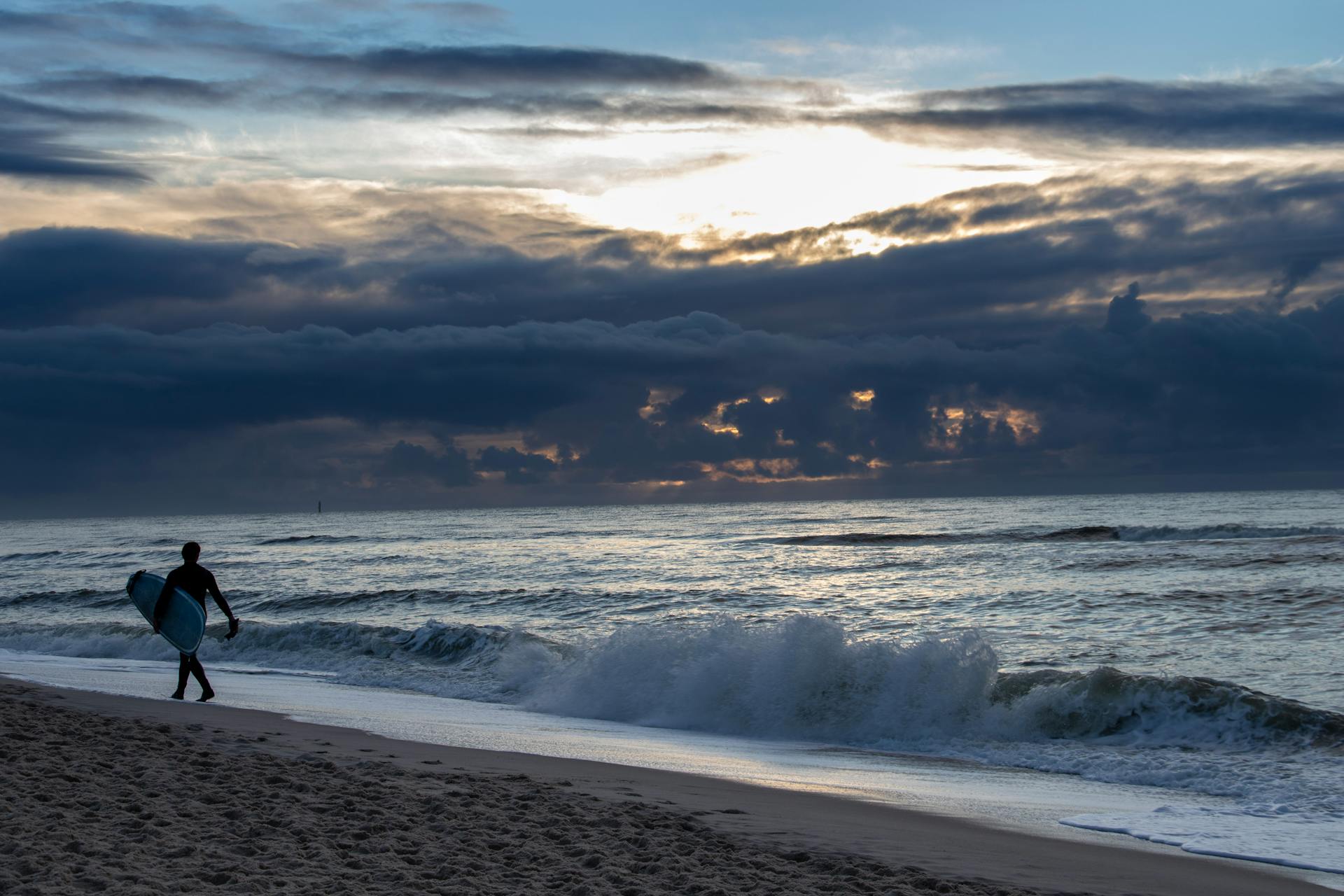
A surf taking a long stroll along the extensively long Sylt beach.
Conclusion on Surfing Sylt
Sylt offers a quintessential German surf experience, balancing consistent wave energy with the vibrant and historic charm of the country’s most famous island. The reliability of the sandbanks at Westerland and the professional expertise of Surfschule Sylt make it a premier destination for those seeking quality waves in an authentic and world-class setting.
Whether you are carving through a clean morning swell or watching the sunset over the dunes after a long session, Sylt provides a profound connection to the sea and the adventurous spirit of North Sea surf travel.
FAQ: Surf Travel to Sylt
Is Sylt suitable for beginners?
Yes, the sandy bottom and particularly during the calmer summer months.
What is the water temperature?
In summer, the water ranges from 17°C to 20°C (63-68°F). In winter, it can drop to 4°C (39°F). A 3/2mm or 4/3mm wetsuit is ideal for spring and autumn, while a thick 5/4mm with boots, gloves, and a hood is required for winter groundswells.
How do I get there?
Sylt is uniquely connected to the mainland by the Hindenburgdamm railway causeway. You can reach the island by train (including an auto-train for cars) from Niebüll, or by ferry from the Danish island of Rømø. There is also an airport in Westerland.
Is the beach crowded?
While Westerland can be busy during the peak season, Sylt has nearly 40 kilometers of beach. By exploring the areas north or south of the main hubs, surfers can easily find quiet peaks and uncrowded lineups.
Can I surf at low tide?
Conditions in Sylt are tide-dependent. Generally, the mid-tide to high tide provides the best shapes for the sandbanks, as low tide can often cause the waves to break too far out or close out on the shallow bars.
Are there other locations to do a Surf Camp or take a lesson in Northern Europe?
Check out our Surfing in Germany Travel Guide for more information on other top locations along the German coastline.