Surfing in Rote Island, Indonesia: Surf Camps, Resorts, Nemberala Beach, Spots Guide
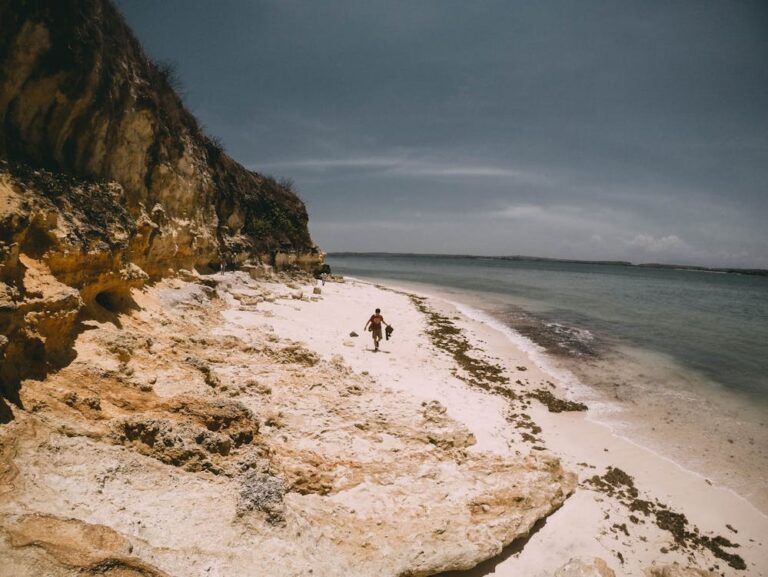
Introduction to Surfing in Rote Island
Rote Island, located in East Nusa Tenggara south of Timor, has become a sought-after surf destination thanks to its long, world-class left-handers and powerful rights set in a laid-back, uncrowded island environment. Nemberala Beach on the west coast is the main surf hub, facing directly into Indian Ocean swell and offering boat access to several reef breaks.
With warm water year-round, consistent dry-season trade winds, and a mix of long walls and heavy barrels, Rote appeals mostly to intermediate and advanced surfers, while some inside sections at T-Land can work for improving beginners on smaller days. The island’s low-key vibe and limited development keep lineups relatively mellow compared to busier Indonesian hotspots.
Best Season to Surf Rote Island
- May to October (Dry Season / Peak): Dominant southeast trade winds and regular SW–S swells provide the most consistent and powerful surf, especially at T-Land and Bo’a.
- March–April and November (Shoulder): Can still see good swells with lighter, more variable winds and fewer surfers, though consistency drops slightly.
- December to February (Wet / Off-Season): Less reliable swell and onshore winds are more common; some days can still be fun, but it’s not the prime window.
Surf Spots and Beaches in Rote Island
T-Land (Besialu Reef, Nemberala)
T-Land is Rote’s signature wave and one of Indonesia’s longest left-handers, breaking on the outer reef in front of Nemberala village. It offers long, peeling walls with multiple takeoff zones, typically broken into sections known as The Point, Pyramids, and The Mountain, which can link together on bigger, well-aligned swells.
The wave can handle a wide range of sizes, from playful shoulder-high sessions to heavy overhead days, and works across most tides, though shape and speed change with water level. T-Land is best suited to intermediate and advanced surfers comfortable with reef breaks, though the inside on smaller swells can be manageable for improving beginners.
Bo’a
Bo’a is a more powerful and technical right-hand reef break located a short drive and/or boat ride from Nemberala. It is known for its fast, hollow sections and can deliver solid, tubing waves on mid-to-large swells, with a shorter, often less makeable left running back into the peak.
The wave breaks over shallow reef and is best left to advanced surfers who are comfortable with steep takeoffs, strong currents, and heavy hold-downs. Bo’a really shows its teeth on larger dry-season swells and is usually surfed around mid-tide for optimal shape.
Surf Camps, Resorts, and Lessons
Most surf infrastructure on Rote is centered around Nemberala Beach, where guesthouses, surf camps, and small resorts offer combined accommodation and surf packages. Boat access to T-Land and surrounding reefs is a key part of the daily routine, with dawn and afternoon trips timed around tides and swell.
Nemberala Beach Surf School focuses on coaching and guiding around the Nemberala area, offering lessons for beginners on smaller days and inside sections, as well as guided sessions for intermediates at T-Land. Services typically include board rental, boat transfers to the main breaks, and tailored coaching to suit your level.
Rote Surf House provides surf-focused accommodation near Nemberala with package options that combine lodging, meals, and daily boat trips to T-Land and other nearby spots like Bo’a. They cater mainly to intermediate and advanced surfers seeking long reef waves, offering local knowledge on conditions, tides, and safety on the reef.
Other Things to Do Around Nemberala & Rote Island
- Beach walks and sunsets: Enjoy long walks along Nemberala’s sandy shoreline and watch sunset over T-Land from the beach or a beachfront bar.
- Snorkeling and reefs: Explore nearby coral reefs on calmer days, with clear tropical water and vibrant marine life.
- Island exploration: Rent a scooter to visit traditional villages, viewpoints, and quieter bays around Rote.
- Fishing trips: Arrange local boat trips for line fishing or spearfishing in the surrounding reefs and channels.
- Yoga and downtime: Many surf lodges offer yoga decks and shaded chill areas for recovery between sessions.
Conclusion on Surfing in Rote Island
Rote Island offers a more remote and uncrowded alternative to Indonesia’s mainstream surf regions, with T-Land delivering some of the country’s longest lefts and Bo’a providing powerful rights for experienced surfers. The May–October dry season brings the most reliable conditions, with warm water and steady trades shaping the reef lines.
With surf-focused stays like Nemberala Beach Surf School and Rote Surf House, plus a relaxed island atmosphere, Rote is an excellent choice for surfers seeking long, quality reef waves and a slower-paced, off-the-beaten-path Indonesian surf experience.
FAQ: Surf Travel to Rote Island
Is Rote Island suitable for beginners?
Rote is mostly geared towards intermediate and advanced surfers, but beginners can find softer waves and inside sections at T-Land on smaller days, especially with a surf school.
When is the best time to surf Rote?
The prime surf season runs from May to October, when dry-season trade winds and Indian Ocean swells combine to create consistent, well-shaped waves.
How do you access T-Land from Nemberala?
T-Land sits offshore in front of Nemberala and is usually accessed by a short boat ride arranged by your surf camp or guesthouse; some days a long paddle is possible in calm conditions.
What type of boards work best in Rote?
Most surfers bring a reliable shortboard or performance fish for T-Land and Bo’a, plus a slightly bigger step-up if you plan to surf during solid swells; intermediates often enjoy funboards with a bit of extra volume.
How do you get to Rote Island?
Typical routes involve flying to Kupang (West Timor) and then taking a short onward flight or ferry to Rote, followed by a road transfer to Nemberala arranged by your accommodation.
Are there other surf locations in Indonesia?
Absolutely! Check out our full Surfing in Indonesia Travel Guide to learn more about the places to travel to in Indonesia.