Surfing in Sumba Island, Indonesia: Surf Camps, Resorts, Spots, Breaks, Nihi, and Guide
Introduction to Surfing in Sumba
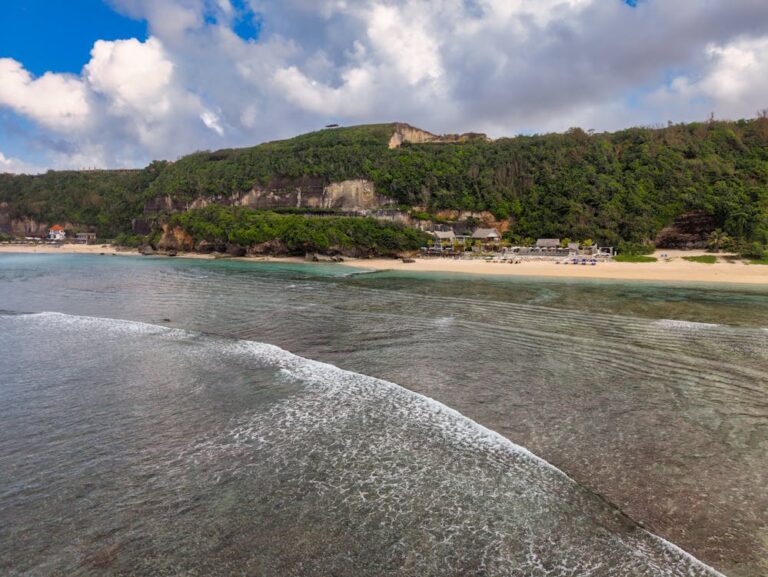
Sumba is a rugged, raw island southeast of Sumbawa, known for powerful reef breaks, dry landscapes, traditional villages, and far fewer surfers than Bali or Lombok. Its long southwest-facing coastline is exposed to Indian Ocean swell, offering high-quality waves in a relatively uncrowded setting for surfers willing to travel further.
Most breaks are reef-based and range from hollow, heavy barrels to more playful walls, often requiring 4WD tracks or boats to access. Sumba suits intermediate and advanced surfers best, with a few friendlier options like Millers Right and some beachbreaks on smaller days for confident intermediates.
Best Season to Surf Sumba
- Dry season (April to October): Prime surf window when consistent south and southwest swells from the Indian Ocean hit Sumba’s south and southwest coasts, with the most reliable surf between April and September.
- Wet season (November to March): Surf is still possible at some breaks but is generally smaller and less consistent, with more onshore winds and trickier access due to rain.
Key Surf Spots and Breaks in Sumba
Millers Right (Tarimbang Bay)
Millers Right (also written Miller’s Right) is one of Sumba’s better-known waves, located in Tarimbang Bay on the south coast. It is a long, rippable right-hander breaking along one side of the bay, offering walled-up sections for carves and occasional barrels on clean swells.
The wave is less heavy than some of Sumba’s other reefs, making it a good option for intermediates on small to medium days, while still offering speed and length for advanced surfers. It works best on clean south–southwest swells with lighter winds, often early in the morning before trades strengthen.
Occy’s Left (Nihi Sumba / Nihiwatu)
Occy’s Left, in front of the luxury Nihi Sumba Resort, is one of the island’s most famous waves and is often described as one of Indonesia’s best lefts. It is a powerful, long, hollow left with fast walls and barrel sections, suited only to intermediate and advanced surfers.
Access is tightly managed by the resort, with a limited number of surfers allowed in the water each day. This keeps crowds low and effectively reserves the wave for resort guests and a small number of booked surfers.
Other Notable Breaks
- Pero Left: A mellower reefy left near the fishing village of Pero in West Sumba, popular for more relaxed surfs and warm-up sessions.
- Marosi Beach: A long, scenic beach with left and right peaks that provide fun, consistent waves for intermediates and, on smaller days, some potential for confident beginners.
- Various south-coast reefs: Additional heavier reef breaks along the south and southwest coasts, generally best left to experienced surfers comfortable with strong swell and shallow reef.
Surf Camps, Resorts, and Schools
Surf-focused accommodation on Sumba is built around small camps, eco-lodges, and a few high-end resorts rather than dense development. Many places include guiding to nearby breaks, 4WD access, and sometimes boat trips, which is important given how spread out and remote many waves are.
Sumba Sunset Surf operates as a surf-oriented stay and guiding service, helping guests access nearby breaks such as Millers Right and other waves within driving distance. They typically offer board rental, guiding, and help with transport to more remote spots, catering mainly to intermediate and advanced surfers.
Sumba Surf Camp is a dedicated surf camp offering accommodation, meals, and surf-guiding packages, positioned to reach several key breaks on Sumba’s south or west coasts. Packages usually include daily surf missions by 4WD or boat, with tides and swell carefully considered to maximize session quality.
Other Things to Do on Sumba
- Traditional villages: Visit megalithic villages and traditional houses to experience Sumba’s distinctive culture, ceremonies, and weaving traditions.
- Waterfalls and lagoons: Explore inland waterfalls, blue lagoons, and unique limestone formations on non-surf days.
- Wild beaches: Spend time on long, empty beaches like Marosi and Kodi for sunset walks, photography, and swimming.
- Horse riding and trekking: Some camps and resorts offer horseback rides on the beach and hikes through the island’s savanna hills.
Conclusion on Surfing in Sumba Island
Sumba Island is one of Indonesia’s more remote and untamed surf destinations, with powerful, world-class reef breaks like Occy’s Left and long, playful walls at Millers Right and Marosi. The main April–October season brings the most reliable mix of swell and wind, and the limited number of surf-focused stays keeps lineups relatively uncrowded.
With operations such as Sumba Sunset Surf and Sumba Surf Camp, plus the exclusive Nihi Sumba Resort, the island offers options ranging from adventure-style surf camps to ultra-high-end experiences, all set against a backdrop of dramatic landscapes and rich local culture.
FAQ: Surf Travel to Sumba Island
Is Sumba good for beginners?
Most waves are reef breaks aimed at intermediate and advanced surfers, but friendlier options like Millers Right and some beachbreaks can suit confident beginners when conditions are small and you have experienced guidance.
When is the best time to surf Sumba?
The main surf season runs from roughly April to October (dry season), when south and southwest swells and favorable winds produce the most consistent conditions on the south and southwest coasts.
Can anyone surf Occy’s Left at Nihi?
Occy’s Left is effectively reserved for Nihi Sumba guests and a limited number of booked surfers, with a cap on daily numbers to keep the lineup uncrowded.
What boards should I bring?
Most surfers bring at least one solid shortboard plus a slightly larger step-up for heavier swells, with a bit of extra volume helpful at longer points like Millers Right and more rockered boards for hollow reefs.
How do you get to Sumba?
Typical routes involve flying from Bali or Jakarta to Tambolaka or Waingapu on Sumba, followed by a road transfer to your chosen surf area (such as Tarimbang, Marosi, or the Nihi area), usually arranged by your camp or resort.
Are there other surf locations in Indonesia?
Absolutely! Check out our full Surfing in Indonesia Travel Guide to learn more about the places to travel to in Indonesia.