Surfing Buggerru, Sardinia: Surf Lessons and Travel Guide
Introduction to Surfing Buggerru
Buggerru is a storied coastal village on Sardinia’s southwestern shore, where the steep, limestone cliffs of the Iglesiente region plunge into the deep blue Mediterranean. Once a thriving mining hub, Buggerru has transitioned into a premier destination for the European surfing community. The town is situated at the mouth of a dramatic valley, creating a natural funnel for the powerful western groundswells that characterize the Sardinian “Wild West.” Surfing in Buggerru offers a unique blend of industrial history and raw natural beauty; the ruins of old mining structures stand as silent witnesses to the high-performance waves that break along its shores. With its consistent wave energy and rugged, mountainous backdrop, Buggerru provides an authentic and high-energy surf experience.
Buggerru is the definitive choice for surfers seeking consistent Mediterranean power, a professional surf infrastructure, and a town where the surfing lifestyle is deeply woven into the local culture.
Best Season to Surf Buggerru
- The High Swell Season: May to October. This period experiences the strongest ocean energy. The waves are large and provide long rides through sections that can become hollow. The landscape is vibrant and green during these months, and the ocean is typically smooth in the early mornings.
- Beginner Recommendation – The Dry Season: December to April. This is the ideal time for organized conditions and more manageable waves. The offshore winds are constant and the weather remains clear for long periods. It is an excellent season for intermediate surfers to practice on the beach breaks.
- General Recommendation – The Transition Months: April and November. These months provide a useful combination of good waves and pleasant weather. You can often experience the first significant swells of the year while enjoying sunny conditions.
Surf Spots and Beaches in Buggerru
Buggerru Beach (The Port & San Nicolò)
The surfing in Buggerru is centered around the main town beach and the expansive stretch of San Nicolò to the south. The area near the harbor is particularly famous for its sandbanks, which are often stabilized by the local topography to produce consistent and well-shaped peaks. On days with a strong “Maestrale” (northwest) swell, Buggerru produces powerful, workable walls that are highly prized by performance shortboarders. The wave can offer everything from punchy, hollow sections to long, flowing rides suitable for longboarding. The sandy bottom ensures a safe environment, while the proximity of the harbor provides some protection from northerly winds, often resulting in cleaner conditions than more exposed stretches of the coast.
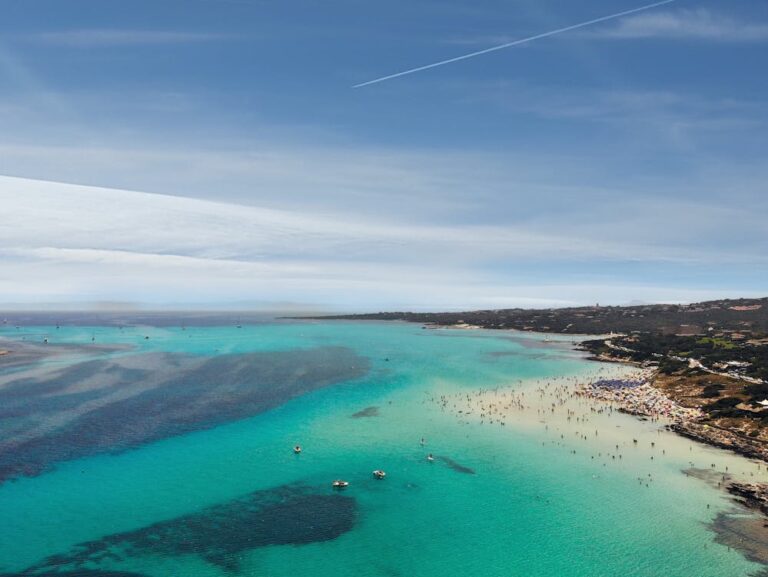
A high-energy Mediterranean beach where the golden sands and consistent pulses from the sea create a world-class environment for every session along the Iglesiente coast.
Surf Lessons and Camps
Buggerru Surf School is a cornerstone of the Sardinian surf scene and one of the most respected institutions in Italy. Their professional team offers a comprehensive range of coaching, from introductory “first wave” experiences to elite training for competitive surfers. They emphasize a technical and safety-oriented approach, utilizing the consistent conditions of the Iglesiente coast to foster rapid progression. With a base right in the heart of the village and high-quality equipment rentals, Buggerru Surf School provides an expert and welcoming gateway to the waves. Their instructors are masters at reading the complex swell patterns of the west coast, ensuring that students are always positioned in the best possible conditions for their level.
Other Things to Do in Buggerru
- Galleria Henry: Explore this historic mining tunnel carved into the cliffside, offering a fascinating look at the town’s industrial past and stunning sea views.
- Cala Domestica: Visit this nearby hidden cove, a fjord-like bay with crystal-clear water and ancient Spanish watchtowers.
- Coastal Trekking: Hike the spectacular trails leading toward Masua to see “Pan di Zucchero,” one of the tallest sea stacks in Europe.
- Porto Flavia: Take a guided tour of this architectural marvel, a mining port suspended over the sea in the middle of a cliff.
- Sardinian Gastronomy: Savor local specialties like “Fregula with Seafood” and fresh tuna in the traditional trattorias of the village.
Conclusion on Surfing Buggerru
Buggerru offers a quintessential Sardinian surf experience, balancing consistent wave power with the rugged beauty of a historic mining coast. The reliability of the peaks at Buggerru Beach and the professional expertise of the Buggerru Surf School make it a premier destination for those seeking high-quality sessions in an authentic and naturally stunning setting.
Whether you are carving through a powerful morning swell or exploring the ancient tunnels of Galleria Henry after a session, Buggerru provides a profound connection to the sea and the adventurous spirit of Mediterranean surf travel.
FAQ: Surf Travel to Buggerru
Is Buggerru suitable for beginners?
Yes, during smaller swells, the sandy beach and the expert instruction at Buggerru Surf School make it an excellent place to learn. However, the spot can handle significant size, so beginners should always seek local advice.
What is the water temperature?
In summer, the water ranges from 22°C to 25°C (72-77°F). In winter, it can drop to 13°C (55°F). A 3/2mm wetsuit is ideal for spring and autumn, while a 4/3mm is necessary for winter sessions.
How do I get there?
Buggerru is most easily reached by car, located about 1.5 hours from Cagliari Airport. The drive is incredibly scenic, passing through the mountainous Iglesiente landscape.
Is the beach crowded?
As a premier surf destination, the main peaks can get busy on weekends and during good swells. Respecting the local crew and the professional atmosphere of the surf school is essential.
Can I surf at low tide?
Tidal movements in the Mediterranean are minimal. Surfing is possible throughout the day, as wave quality is influenced much more by wind direction and swell energy than by the tide.
Are there other locations to do a Surf Camp or take a lesson in Italy?
Check out our Surfing in Italy Travel Guide if you’re interested in checking out other surfing locations.