Roma or Rome? A Surf Travel Guide to Italian Heart of Surfing
Introduction to Surfing Rome
Rome, the Eternal City, is not just a repository of ancient history and world-class art; it is also the beating heart of the Italian surfing scene. Just a short journey from the Colosseum lies the Roman coast, where the Mediterranean Sea provides surprisingly consistent and high-quality waves for a dedicated community of city-dwelling surfers. The surfing culture here is vibrant, urban, and deeply passionate, centered largely around the coastal district of Ostia and the surrounding sandy stretches. Surfing in Rome offers a unique lifestyle contrast: spending the morning carving through Tyrrhenian swells and the afternoon walking through 2,000-year-old ruins. It is a place where the ancient world meets the modern pursuit of the perfect wave.
Rome is the definitive choice for surfers seeking consistent Mediterranean beach breaks, professional surf infrastructure, and the unparalleled cultural experience of the Italian capital.
Best Season to Surf Rome
- The High Swell Season: May to October. This period experiences the strongest ocean energy. The waves are large and provide long rides through sections that can become hollow. The landscape is vibrant and green during these months, and the ocean is typically smooth in the early mornings.
- Beginner Recommendation – The Dry Season: December to April. This is the ideal time for organized conditions and more manageable waves. The offshore winds are constant and the weather remains clear for long periods. It is an excellent season for intermediate surfers to practice on the beach breaks.
- General Recommendation – The Transition Months: April and November. These months provide a useful combination of good waves and pleasant weather. You can often experience the first significant swells of the year while enjoying sunny conditions.
Surf Spots and Beaches in Rome
Ostia Main Beach
Ostia is the historic “Beach of Rome” and the primary hub for the local surfing community. The coastline features a series of jetties and piers that help to anchor the sandbanks, creating reliable left and right peaks. The “Main Beach” area is particularly popular for its consistency, picking up a wide range of swells from the southwest and northwest. The waves here are typically fun and workable, making it an ideal spot for longboarders on smaller days and a high-performance arena for shortboarders when the winter groundswells arrive. The urban backdrop and the proximity to the city create a social and energetic atmosphere in the water that is uniquely Roman.
A high-energy Mediterranean beach where the golden sands and consistent pulses from the Tyrrhenian Sea create a world-class environment for every session.
Surf Camps and Lessons
Ostia Surf is one of the most established and respected surf institutions in Italy. Located directly on the Roman coast, they offer a comprehensive range of lessons for all ages and skill levels. Their professional instructors focus on technical progression, ocean safety, and the “Stoke” that defines the sport. With a large fleet of high-quality equipment and a deep connection to the local community, Ostia Surf serves as a central hub for those looking to learn the basics or refine their maneuvers in the Mediterranean.
The Nauticlub is a multi-disciplinary boardsports center located along the scenic pine-lined coast of Castelfusano. They offer professional surf coaching within a structured club environment that emphasizes a holistic approach to the sea. From summer camps for children to personalized technical clinics for adults, the Nauticlub provides an expert and welcoming gateway to the waves. Their facility also offers rentals for windsurfing and sailing, making it a perfect base for all-around water sports enthusiasts visiting the Roman shore.
Other Things to Do in Rome
- Ostia Antica: Explore the remarkably preserved ruins of Rome’s ancient port city, offering a quieter and equally impressive alternative to the Pompeii experience.
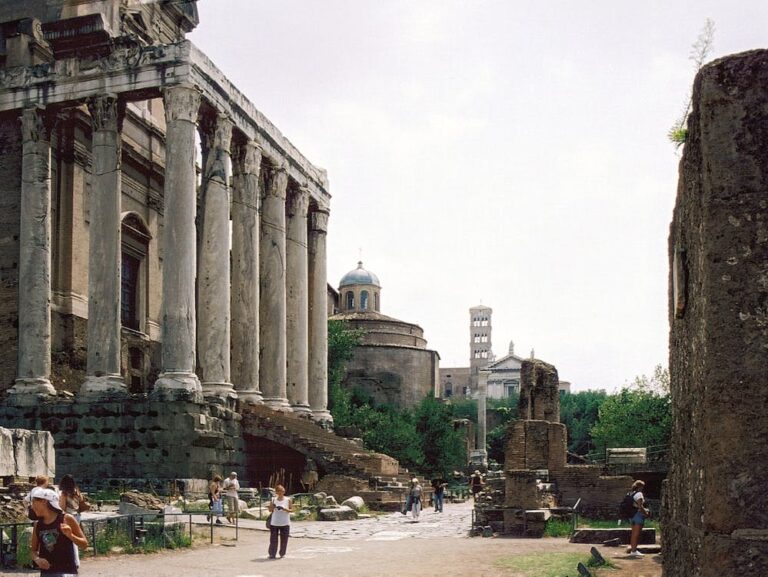
- The Colosseum & Roman Forum: No trip to Rome is complete without visiting the historic heart of the Empire, just a 30-minute train ride from the coast.
- Castelfusano Pine Forest: Cycle or walk through the vast protected woods that run parallel to the beach, providing shade and tranquility.
- Trastevere District: Head back into the city for an evening in Rome’s most atmospheric neighborhood, filled with narrow streets and traditional trattorias.
- Roman Gastronomy: Savor world-famous dishes like Tonnarelli Cacio e Pepe, Carbonara, and fresh Roman-style pizza in the local eateries of Ostia.
Conclusion on Surfing Rome
Rome offers a surf experience that is as culturally rich as it is athletically rewarding, balancing consistent wave energy with the grandeur of the Eternal City. The reliability of the beach breaks at Ostia and the professional expertise of schools like Ostia Surf and Nauticlub make it a standout destination for those seeking quality waves in an accessible and historic setting.
Whether you are carving through a clean morning swell or standing before the Pantheon after a session, the Roman surf scene provides a profound connection to the sea and the timeless spirit of Italian travel.
FAQ: Surf Travel to Rome
Is Rome suitable for beginners?
Yes, the sandy beaches of Ostia and the surrounding area are perfect for beginners. The gradual slope of the seabed provides a safe environment for learning the fundamentals.
What is the water temperature?
In summer, the water ranges from 22°C to 25°C (72-77°F). In winter, it can drop to 13°C (55°F). A 3/2mm wetsuit is ideal for the shoulder seasons, while a 4/3mm is recommended for winter sessions.
How do I get to the beach from the city center?
The “Roma-Lido” train departs frequently from the Roma Ostiense or Piramide stations, reaching the beaches of Ostia in about 30 minutes. By car, it is a straightforward drive via the Via del Mare.
Is the beach crowded?
As the primary surf spot for a major capital city, Ostia can get busy when the swell is on, especially on weekends. However, the long coastline offers multiple peaks to help spread out the crowd.
Can I surf at low tide?
Tidal movements in the Mediterranean are minimal. Surfing is possible throughout the day, as wave quality is influenced much more by local wind patterns and swell direction.
Are there other locations to do a Surf Camp or take a lesson in Italy?
Check out our Surfing in Italy Travel Guide if you’re interested in checking out other surfing locations.