Surfing Callantsoog, Netherlands: Best Surf Lessons and Travel Guide
Introduction to Surfing Callantsoog
Callantsoog is a picturesque seaside village located in the northern reaches of the North Holland province. Known for having some of the cleanest and oldest dunes in the Netherlands, Callantsoog offers a tranquil and scenic coastal experience that feels distinct from the more urbanized southern resorts. For surfers, Callantsoog provides an uncrowded North Sea environment. The village is situated directly behind a narrow strip of dunes, meaning the walk from the town center to the water is one of the shortest in the country.
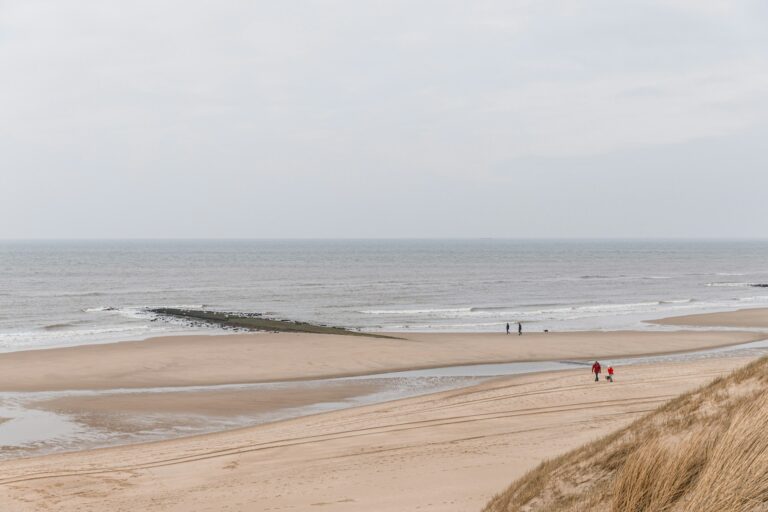
A picturesque sand bar formation in Callantsoog. Photo provided by Surfschool Callantsoog.
Surfing in Callantsoog is a quintessential beach break experience, where the wide horizons, fresh sea air, and consistent windswells create a perfect playground for those who appreciate the peaceful, natural side of the Dutch coast. Callantsoog is a great choice for surfers seeking consistent North Sea beach breaks, a relaxed family-friendly atmosphere, and a peaceful lineup set against one of the most beautiful dune landscapes in the Netherlands. Not a ton to expect, although for beginners, there is always a session to catch!
Best Season to Surf Callantsoog
- The High Swell Season – Not Recommended: September to March. This period experiences the strongest North Sea energy. The swells are more frequent and provide powerful rides waves. Although the sandbars are a necessity, conditions are hit-or-miss. The offshore winds are more common, though the water and air temperatures require high-quality winter gear.
- Beginner Recommendation – The Summer Season: May through September. This is the ideal time for manageable waves and warmer conditions. The waves are generally smaller and softer, providing an excellent environment for first-timers and intermediate surfers to practice on the long sandy stretches.
- General Recommendation – The Transition Months: April and October. These months provide a useful combination of decent wave frequency and more pleasant weather. You can often experience clean groundswells while enjoying the first or last sunny days of the season.
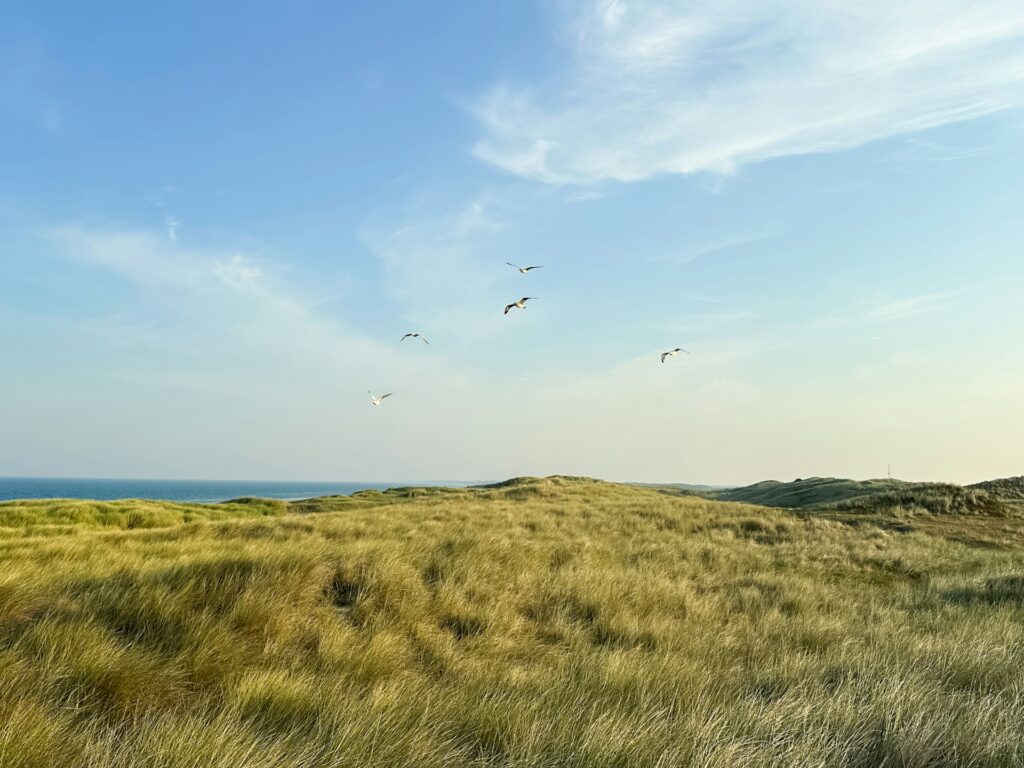
Pictured is the local nature setting in Callantsoog with nature and all.
Surf Spots and Beaches in Callantsoog
Callantsoog Beach
The primary surf spot in Callantsoog is an expansive sandy beach that stretches for kilometers in both directions. Without the presence of large piers or harbor walls, the beach captures raw North Sea energy from various directions, particularly from the west and northwest. The surfing conditions rely on shifting sandbanks that create multiple left and right peaks along the coast. This spot is known for its space and tranquility; even on days with good conditions, the crowd is usually spread out, allowing every surfer to find their own peak.
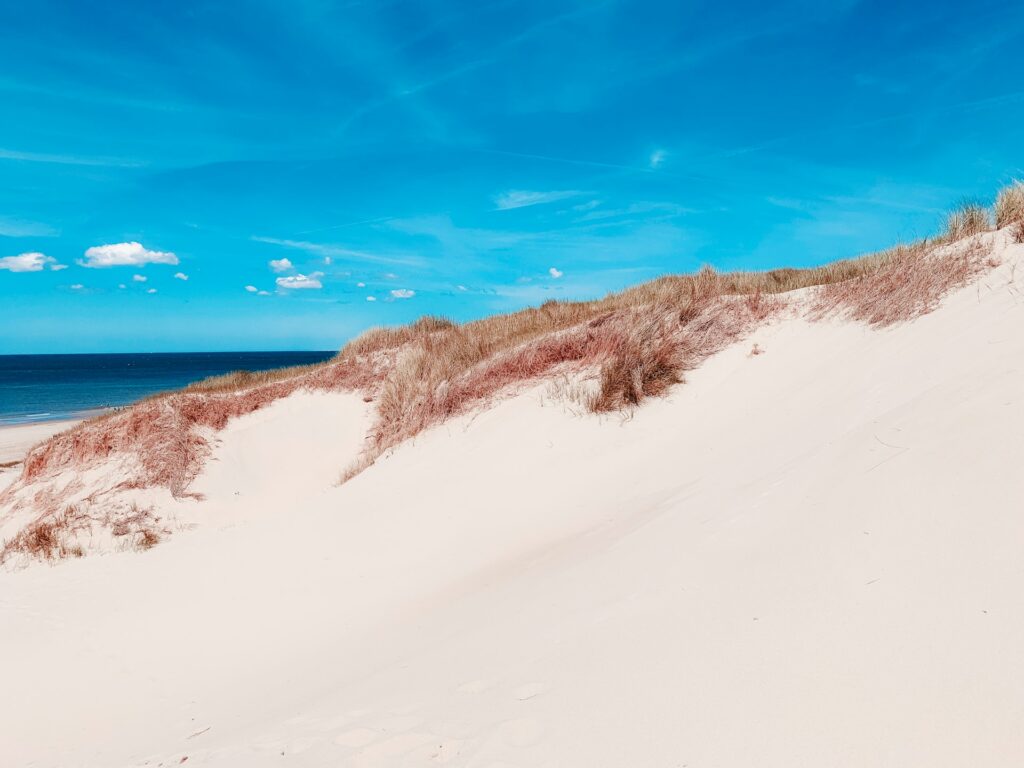
Callantsoog is known for its white sands that contrast with the blue skies. Like showcased in this photo.
The sandy bottom provides a safe environment for progression, while the open exposure ensures that even small pulses of energy are translated into surfable waves. A North Sea beach where the wide sands and consistent pulses from the sea create a world-class environment for every session along the northern Dutch coastline.
Video provided by Surfschool Callantsoog showing the local waves on a clean day.
A video highlighting the vibe heading into surf the Netherland surf area.
Surf Lessons and Camps
Surfschool Callantsoog is the local hub for wave riders, operating with a deep passion for the North Sea and the village community. They offer lessons for all ages and skill levels, making them a favorite for families visiting the area. With high-quality rental equipment and a supportive teaching style, Surfschool Callantsoog provides an expert and welcoming gateway to the waves. Their location on this northern stretch of coast ensures that students can learn in a spacious and stress-free environment, away from the intense crowds of the larger cities.
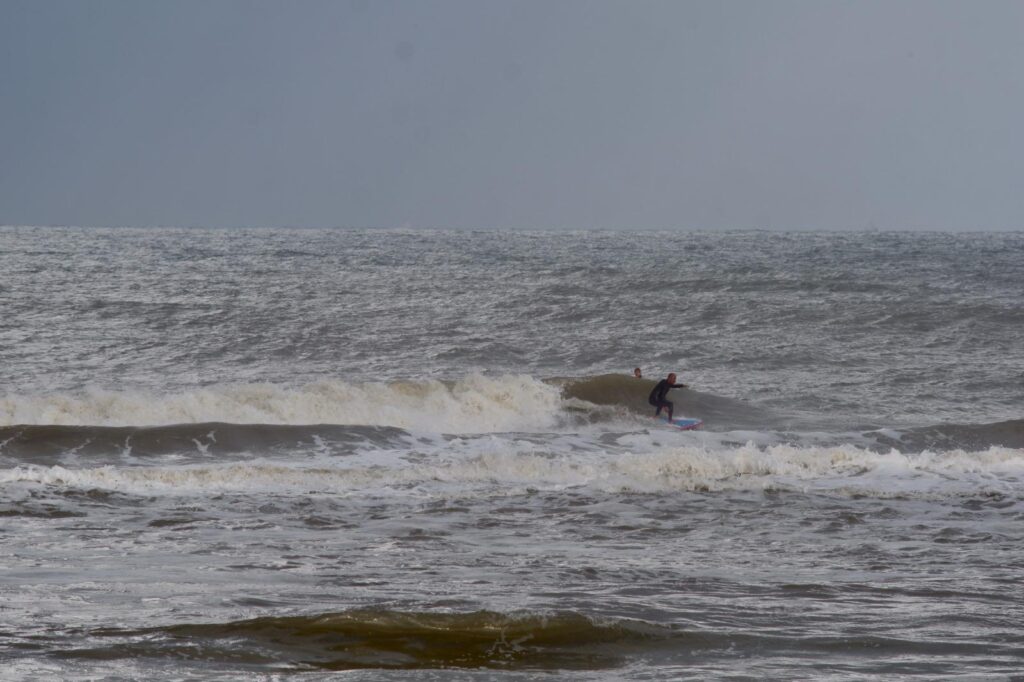
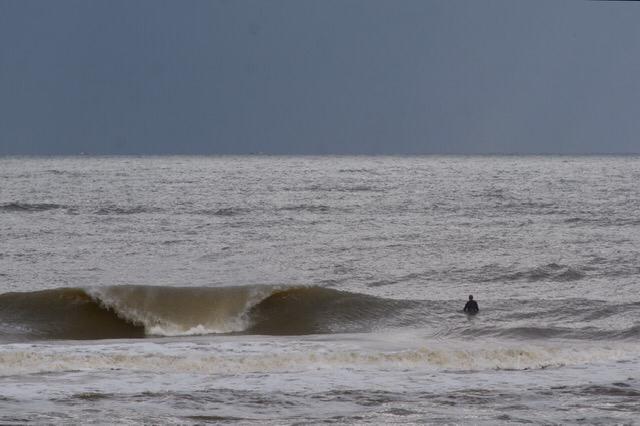
Another photo showcasing a wave on a good sandbar in Callantsoog. Photo provided by Surfschool Callantsoog
Other Things to Do in Callantsoog
- Zwanenwater Nature Reserve: Explore this stunning nearby nature area, home to two large dune lakes and a diverse array of rare plants and birds.
- Dorpstuin Callantsoog: Relax in the charming village square, which is often the site of local markets and seasonal festivities.
- Biking to Den Helder: Take a scenic bike ride north through the dunes toward the naval city of Den Helder, passing through lighthouse landscapes and flower fields.
- Beach Pavilion De Toko: Enjoy a post-surf meal or a drink at one of the cozy beach pavilions that offer panoramic views of the sunset.
- Museum Farm Tante Jaantje: Visit this historic farmhouse in the center of the village to learn about the traditional life of the West-Frisian coast.

Local Dutch flower fields nearby Callantsoog, Netherlands.
Conclusion on Surfing Callantsoog
Callantsoog offers a Dutch surf experience, balancing consistent wave energy with the quiet, unpretentious beauty of the North Holland dunes. The reliability of the sandbanks at Callantsoog Beach and the professional, Surfschool Callantsoog make it a premier destination for those who are looking to get their feet wet.
Whether you are carving through a clean morning swell or wandering through the pristine Zwanenwater reserve after a session, Callantsoog provides a profound connection to the sea and the adventurous spirit of North Sea surf travel.
FAQ: Surf Travel to Callantsoog
Is Callantsoog suitable for beginners?
Yes, the sandy bottom and the small-scale, personal coaching at Surfschool Callantsoog make it an ideal and safe place for beginners to learn without the pressure of a crowded lineup.
What is the water temperature?
In summer, the water ranges from 17°C to 20°C (63-68°F). In winter, it can drop to 5°C (41°F). A 3/2mm or 4/3mm wetsuit is perfect for the shoulder seasons, while a thick 5/4mm with boots, gloves, and a hood is essential for winter surfing.
How do I get there?
Callantsoog is most easily reached by car from Alkmaar or Amsterdam. There are also bus connections from the Schagen train station, which is the nearest rail link.
Is the beach crowded?
One of the biggest advantages of Callantsoog is the lack of crowds. Even on busy summer days, the surfing area is vast enough that the lineup remains relaxed and spacious.
Can I surf at low tide?
Like most Dutch beach breaks, Callantsoog is tide-dependent. The sandbanks generally work best during the mid-tide as the water comes in, though conditions can vary depending on recent storm activity and sand placement.
Are there other locations to do a Surf Camp or take a lesson in Northern Europe?
Check out our Surfing in the Netherlands Travel Guide if you’re interested in checking out other surfing locations.