Surfing in Texel, Netherlands: Best Surf Lessons and Travel Guide
Introduction to Surfing Texel
Texel is the largest and most populated of the West Frisian Islands, a rugged and beautiful outpost where the North Sea meets the Wadden Sea. Often called “The Netherlands in Miniature,” the island boasts diverse landscapes ranging from pine forests and heather fields to the iconic white sandy beaches that line its western coast.
For surfers, Texel offers a unique island vibe that feels worlds away from the mainland. The island’s exposure to the open sea means it catches swells from multiple directions, often resulting in some of the most consistent and powerful waves in the country. Surfing in Texel is a natural experience where the salty air and the constant movement of the tides create an ideal environment for those seeking an adventurous escape in the North Sea.
Best Season to Surf Texel
- The High Swell Season: September to March. This period experiences the strongest North Sea energy. The waves are more powerful during this time, although the conditions are much colder.
- Beginner Recommendation – The Summer Season: June to August. This is the ideal time for manageable waves and warmer conditions. The waves are generally smaller and softer, providing an excellent environment for first-timers and intermediate surfers to practice on the long sandy stretches.
- General Recommendation – The Transition Months: April, May, and October. These months provide a useful combination of decent wave frequency and more pleasant weather. You can often experience clean groundswells while enjoying the first or last sunny days of the season.
Surf Spots and Beaches in Texel
Texel Beach (Paal 17 & Paal 9)
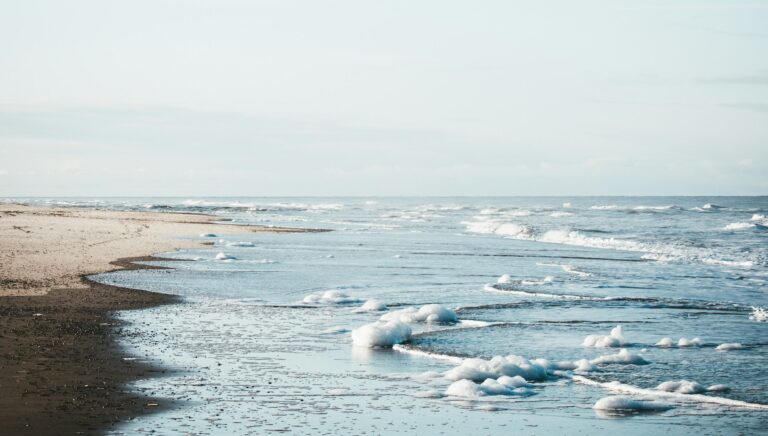
The surfing in Texel is concentrated along the western coast, with the areas around “Paal 17” and “Paal 9” being the most popular hubs. These spots are renowned for their consistent sandbanks that produce reliable left and right peaks. Because Texel is an island, the waves often have more power and “push” than mainland beach breaks. The sandy bottom ensures a safe environment for all levels, while the wide-open nature of the coast means that surfers can almost always find a peak for themselves against the backdrop of the island’s famous dunes and lighthouse.
Some of the boys psyching on scoring some glassy conditions at Texel.
Surf Lessons and Camps
Surfschool Texel is the premier center for wave riding on the island, located at the popular Paal 17 beach. This professional school is dedicated to providing high-quality surf coaching that emphasizes safety, technical skill, and a deep respect for the island’s unique maritime environment.
Other Things to Do in Texel
- Ecomare: Visit this famous nature center and seal sanctuary to learn about the wildlife of the Wadden Sea and see rescued seals up close.
- Texel Lighthouse: Climb the iconic bright red lighthouse at the northern tip of the island for panoramic views of the North Sea and neighboring Vlieland.
- Slufter Valley: Explore this unique nature reserve where the sea flows freely into the dunes, creating a stunning salt marsh landscape.
- Texel Brewery: Savor a glass of locally brewed “Skuumkoppe” beer at the island’s famous brewery in Oudeschild.
- Cycling the Island: Rent a bike and explore the 140 kilometers of cycling paths that wind through the island’s forests, dunes, and historic villages.
Conclusion on Surfing Texel
Texel offers a quintessential North Sea surf experience, balancing consistent island wave energy with the serene and rugged beauty of the Wadden landscape. The reliability of the sandbanks at Paal 17 and the professional expertise of Surfschool Texel make it a premier destination for those seeking quality waves in a wild and authentic island setting.
Whether you are carving through a clean morning swell or watching the sunset over the dunes after a long session, Texel provides a profound connection to the sea and the adventurous spirit of Dutch surf travel.
FAQ: Surf Travel to Texel
Is Texel suitable for beginners?
Yes, the sandy bottom and the professional coaching at Surfschool Texel make it an excellent and safe place for beginners to learn, particularly during the gentler summer swells.
What is the water temperature?
In summer, the water ranges from 17°C to 20°C (63-68°F). In winter, it can drop to 5°C (41°F). A 3/2mm or 4/3mm wetsuit is ideal for the shoulder seasons, while a 5/4mm with boots, gloves, and a hood is required for winter groundswells.
How do I get there?
Texel is reached by a 20-minute ferry ride from the city of Den Helder. The ferry runs every hour and can accommodate cars, bikes, and pedestrians. Den Helder is easily accessible by train from Amsterdam.
Is the beach crowded?
While Paal 17 can be busy on sunny days, the western coast of Texel is 30 kilometers long, so there is almost always a quiet peak to be found if you are willing to explore.
Can I surf at low tide?
Conditions in Texel are tide-dependent. Generally, the incoming mid-tide provides the best shapes for the sandbanks, although the specific sand movements of the island mean that conditions can vary day by day.
Are there other locations to do a Surf Camp or take a lesson in the Netherlands?
Check out our Surfing in the Netherlands Travel Guide if you’re interested in checking out other surfing locations.