Surfing in the Netherlands: A Travel Surf Guide
Introduction to Surfing in the Netherlands
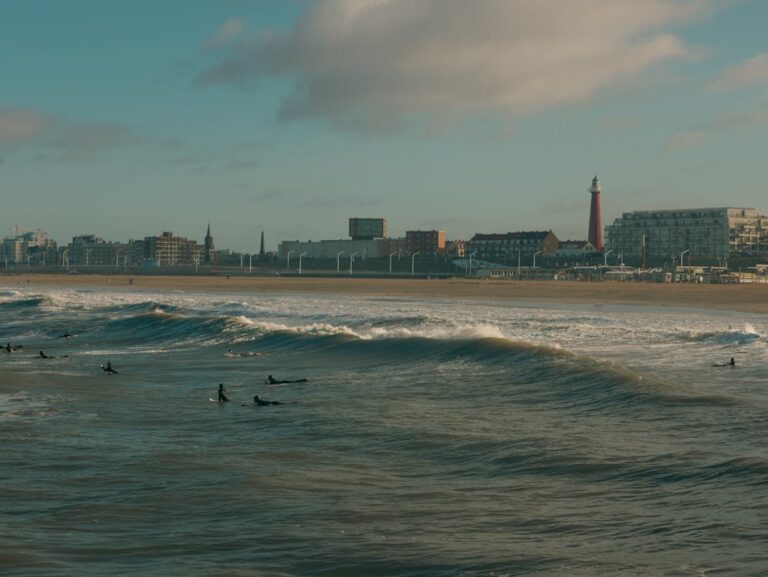
The Netherlands is a cold-water surf destination shaped by North Sea swell, strong winds, and long sandy beaches. It is not a high-consistency wave country, but it offers regular surfable conditions for patient surfers, especially along the south and north coast.
Ouddorp, Hoek van Holland, Wijk aan Zee, and the Wadden Islands are the best-known names, with exposed beach breaks that can produce fun waves when the forecast lines up. Most sessions are seasonal and weather-driven, but the country has a strong local surf culture and easy access from major cities.
Best Season to Surf in the Netherlands
- Autumn and winter: This is the main surf season, when North Sea storms produce the most consistent swell. Spots like Ouddorp, Hoek van Holland, and Wijk aan Zee can come alive.
- Spring: Still capable of producing surf, with longer daylight and somewhat milder conditions. It is a useful time for less severe weather and smaller crowds.
- Summer: Usually smaller and more wind-dependent, but still workable for beginners and longboarders on the right day. The beaches are more comfortable for travel even if the surf is less powerful.
Surf Spots in the Netherlands
Ouddorp
Ouddorp is one of the Netherlands’ most reliable surf beaches, with wide sandy stretches and good exposure to North Sea swell. It is a favorite for local surfers because it can handle size and still offer room for clean beach-break peaks.
The area works well for a range of levels, especially when the banks are in good shape. It is one of the clearest choices for a proper Dutch surf session.
Hoek van Holland
Hoek van Holland is a classic surf spot near Rotterdam with easy access and solid beach-break potential. It is one of the country’s better-known urban surf zones and can be very fun when swell wraps into the coast.
The location makes it especially practical for short trips and after-work sessions. It is a strong example of how close surf can be to Dutch city life.
Ter Heijde
Ter Heijde is a quieter South Holland beach break that can offer quality waves when the sandbanks and swell line up. It is less famous than some nearby spots but valued by locals for its consistency when conditions are right.
Its appeal lies in the balance of accessibility and relative calm. For surfers who want a less crowded session, it can be a good choice.
Den Haag or The Hague
Den Haag gives surfers direct access to the coast at Scheveningen and the surrounding beaches. It is one of the country’s most urban surf environments, making it ideal for city-based surfing.
On the right North Sea day, the beach breaks can be lively and well-shaped. It is especially useful for surfers who want surf access without leaving the city.
Katwijk
Katwijk is a dependable North Sea beach break with broad sandy exposure and a strong local surf scene. It can be a solid all-around option for surfers of different levels, especially on clean autumn or winter swells.
The town has the kind of straightforward coastal setup that suits regular surf checks. It is one of the better-known beaches on the South Holland coast.
Noordwijk
Noordwijk is one of the more recognizable Dutch surf beaches, with long sandy lines and good exposure to incoming swell. It often works well as a flexible spot for both surf and general beach life.
The beach can be enjoyable even when the surf is modest, which makes it useful for mixed conditions. It is a strong central point on the Dutch coastline.
Zandvoort
Zandvoort is a popular beach destination near Amsterdam and one of the easiest places for many Dutch surfers to reach. It gets plenty of attention because of its accessibility and broad beach break.
When the North Sea wakes up, Zandvoort can produce fun, energetic peaks. It is an obvious choice for short surf trips and weekend sessions.
Bloemendaal
Bloemendaal is another well-known North Holland surf beach, popular for its long sandy shoreline and lively beach culture. It tends to work best when conditions are organized by clean swell and manageable wind.
The beach is a practical option for surfers near Amsterdam and Haarlem. It fits neatly into the country’s short-drive surf lifestyle.
Wijk aan Zee
Wijk aan Zee is one of the Netherlands’ strongest surf names, with a long-standing local scene and regular beach-break energy. It can offer some of the country’s better sessions when storm patterns align.
The spot is known for being exposed and dependable enough to attract committed surfers. It is especially notable in autumn and winter.
Callantsoog
Callantsoog is a northern beach break with wide open exposure and a quieter feel than some of the busier southern beaches. It can produce clean, fun waves when North Sea swell lines up well with the sandbars.
Its appeal is in the space and relative calm. That makes it a good option for surfers who want a less urban experience.
Texel
Texel is one of the best-known Dutch islands for surfing, with long beaches and a stronger sense of escape than mainland breaks. It is a good place to look for cleaner sessions when conditions are favorable.
The island setting gives it a more adventurous feel, even though it remains easy enough to reach from the mainland. It is one of the more distinctive Dutch surf destinations.
Vlieland
Vlieland offers a quieter island surf experience, with open beaches and North Sea exposure. It is less frequented than many mainland spots, which can make it attractive for surfers seeking space and a slower pace.
Like much of the Dutch coast, the surf is weather-driven, but the setting makes the effort worthwhile. It is a solid choice for a more remote surf feel.
Terschelling
Terschelling is another Wadden Island surf option, with exposed beaches and a strong sense of isolation compared with the mainland. It can produce fun sessions when the swell direction and wind cooperate.
The island is especially appealing for surfers who value atmosphere as much as wave count. It is a good reminder that Dutch surf travel can still feel adventurous.
Practical Surf Travel
- Best planning approach: Track swell, wind, and tide closely, since Dutch surf conditions can change quickly.
- Travel style: The country is ideal for short driving trips and quick surf checks from major cities.
- Water temperature: Cold much of the year, so a thick wetsuit is essential in the main season.
- What to expect: Crowds can build at popular city beaches, but the coastline is long enough to allow plenty of variation.
Conclusion on Surfing in the Netherlands
The Netherlands is a genuine cold-water surf country, built around long beaches, storm swell, and a resilient local surf culture. Ouddorp, Hoek van Holland, Wijk aan Zee, Texel, and the other named beaches each add a different piece to the national picture.
It is not about perfect waves every day, but about reading the weather well and being ready when the North Sea turns on. For surfers who enjoy efficient, practical, and atmospheric surf trips, the Dutch coast has plenty to offer.