Surfing Las Peñitas: The Poneloya Surf Scene
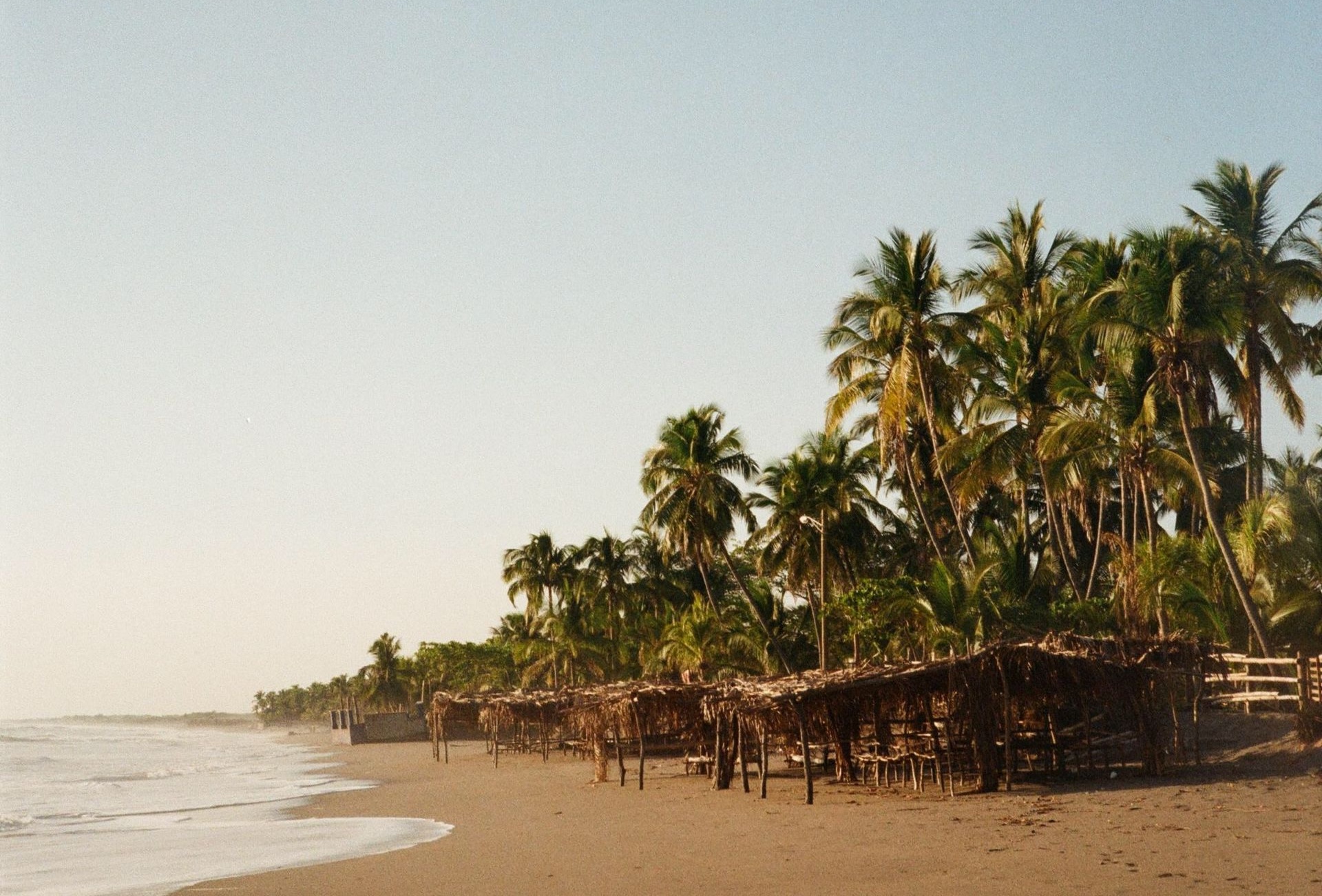
This little travel guide will be a good introduction to the city of Las Peñitas, alongside the accompanying surf spots such as Poneloya, Las Penitas, and los Brasiles Playa. They are definetely some beginner setups for waves, but great if that is your scene;
Introduction to Surfing in Las Peñitas
If you are looking for a spot that is the total opposite of the high energy party towns, Las Peñitas is your sanctuary. It is a laid back fishing village on the northwest coast that has a real soul. You are right on the edge of the Pacific, and the setup here is all about long, golden beaches and a super friendly lineup. The main reason you make the trek here is for the tranquility and the easy access to fun, consistent peaks without the aggressive crowd.
The typical swell is a solid south southwest pulse that hits the sandy floor and creates a variety of peaks along the beach. Because of the way the coast is angled, you get those sweet offshore winds that groom the waves into clean, rideable faces. You can pretty much count on finding a wave almost every day of the year. If the ocean decides to take a breather, the area is still a blast. You can take a panga through the Juan Venado mangroves to see crocodiles and turtles, or just grab a cold beer and watch the sun dip behind the waves. It is an amazing place for beginners because the beach breaks are generally forgiving, but there is enough size and punch on the right tides to keep the intermediate crew stoked too.
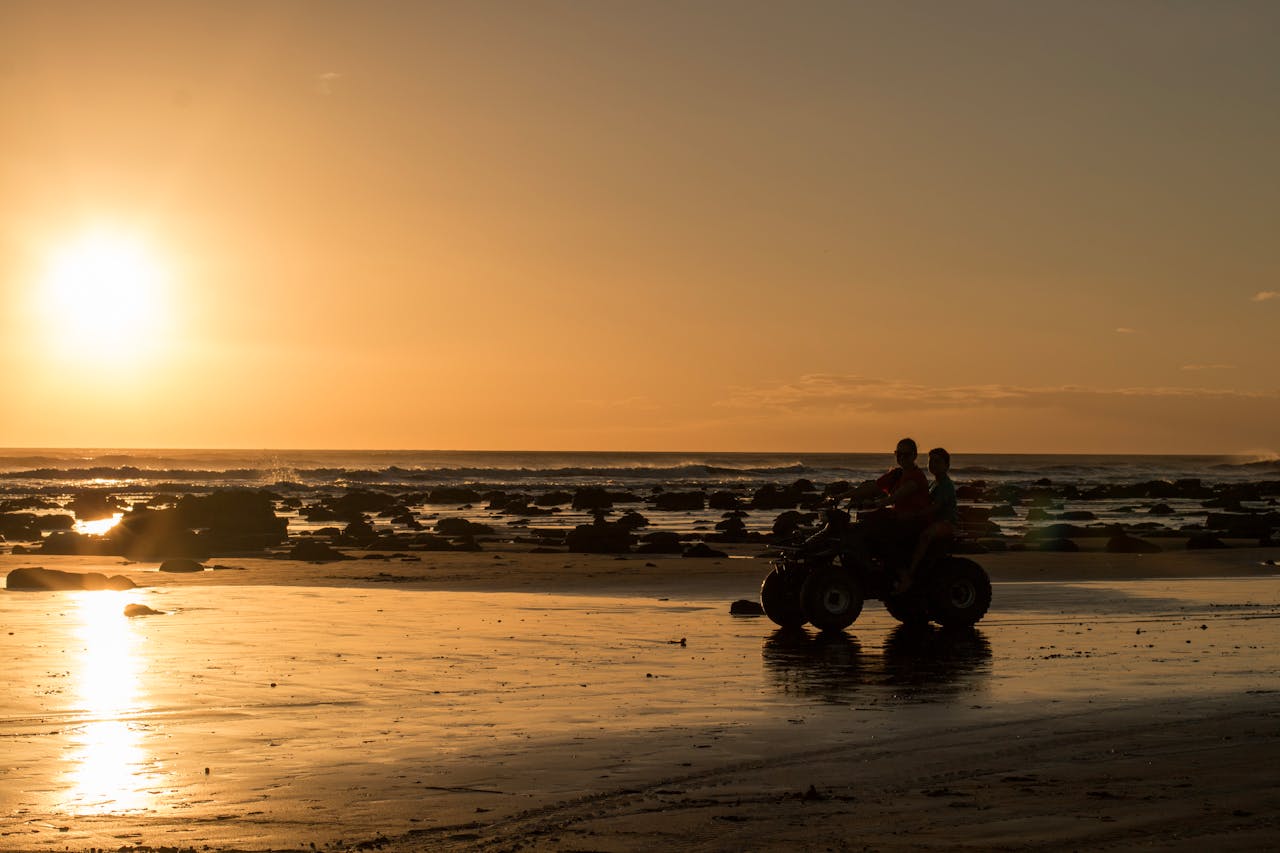
Some of the vibes of an ATV driving on the beach.
Best Season to Surf in Las Peñitas
- Main Surf Season — May to October: South and southwest groundswell charges into Las Peñitas’ open beach breaks, with the biggest, most powerful waves arriving in the wet season. June through August are the heart of the swell run, while September and October bring the heaviest rain alongside substantial pulses.
- Shoulder Season — March to April: The southern swell season begins to stir, with the first meaningful pulses arriving around March and April. This is a lively transition: the dry season is still holding on, mornings are often clean, and Easter week brings a temporary burst of visitors.
- Dry Season — November to February: Papagayo winds return, keeping the coast dry, clear and groomed with offshore mornings. Northwest pulses can occasionally push waves past head-high, but the sheltered bay generally keeps conditions gentle and beginner-friendly.
Surf Spots and Beaches
Las Penitas Playa
This is the main hub and it is a super fun, shifting beach break. It offers a mix of lefts and rights over a mostly sandy bottom. It is a great place for all levels because you can find different peaks along the shore to suit your comfort level. At mid tide, it usually offers the best shape for long, playful rides.
Playa Poneloya
Just a short walk north, this beach is a bit more exposed and can pick up a little more swell. It is a wide, open stretch of sand with punchy peaks that are great for practicing your turns. It is often less crowded than the main beach, giving you plenty of space to find your own peak.
Los Brasiles
This spot is a bit of a hidden treasure across the estuary. It is a long, untouched stretch of sand that offers very quiet lineups and clean beach break peaks. It is a bit of a mission to get there, but the reward is a peaceful session in a beautiful, natural setting.
Surf Schools, Camps, and Resorts
A local favorite right on the sand. They focus on giving you a real feel for the local lifestyle while helping you nail the fundamentals in a fun, relaxed environment.
These guys are all about the vibes and progression. They offer personalized coaching and have a great team that knows exactly where the best sandbars are on any given day.
Surf Camp & Resort
This is a beautiful, eco conscious spot that sits right on the beach. It is a social hub where surfers and travelers hang out, share stories, and head out for dawn patrol together.
Conclusion on Las Peñitas
Las Peñitas is the spot for the traveler who wants to score fun waves and actually relax. It lacks the chaos of the bigger surf towns and replaces it with a genuine, slow paced village life. The waves are consistent and friendly, the sunsets are some of the best on the coast, and the people make you feel like part of the family. If you want a trip that is about the simple joy of the ocean and the sun, it is absolutely worth sending it for a session.
FAQ: Travel Essentials for Las Peñitas
What is the average water temperature?
The water in Las Peñitas is warm year-round, averaging 27°C to 29°C (80°F to 84°F) across most of the year, with occasional slightly cooler dips around 25°C to 26°C (77°F to 79°F) during strong offshore wind spells between January and March.
What wetsuit thickness do I need?
No wetsuit is necessary. Board shorts or swimsuits are standard year-round, though a rash guard or surf top is strongly recommended for UV protection and board wax shielding. If you surf dawn patrol during the breezy January to March months, a light neoprene top can add extra comfort.
Which airport should I arrive at?
Augusto C. Sandino International Airport (MGA) in Managua is the primary international entry point. From Managua, Las Peñitas is roughly a 2 to 2.5-hour drive via the colonial city of León, which sits just 20 to 30 minutes inland from the beach.
What is the currency and which languages are spoken?
The official currency is the Nicaraguan Córdoba (C$), though US Dollars ($) are widely accepted at surf camps, hotels, and beachfront restaurants. Spanish is the native language, while English is commonly spoken in surf hostels and tourist establishments. Bringing cash is strongly recommended, as ATMs are scarce in town and you will need to head into León for banking services.
Is this location good for beginner surfers?
Yes. Las Peñitas features a mellow, consistent black-sand beach break with soft, forgiving waves that work across all tides, making it a great spot for beginners and longboarders—especially during the smaller swells from November to April. When larger south swells arrive, the left-hand peaks and rocky point section also offer fun, clean rides for intermediate surfers.
More Nicaragua Surf Guides
Yes, you can find the others by checking out our master blog post Nicaragua Surf Blogs.