Surfing in Playa Maderas: Surf Camp and Travel Guide
If you are interested in surfing the famous Maderas playa, in Nicaragua, then follow this guide as we cover the best surf spots near it, the best surf camps, as well as a general travel guide to the area. To get a sneak peak of what we are talking about, watch the video below;
Introduction to Surfing in Playa Maderas
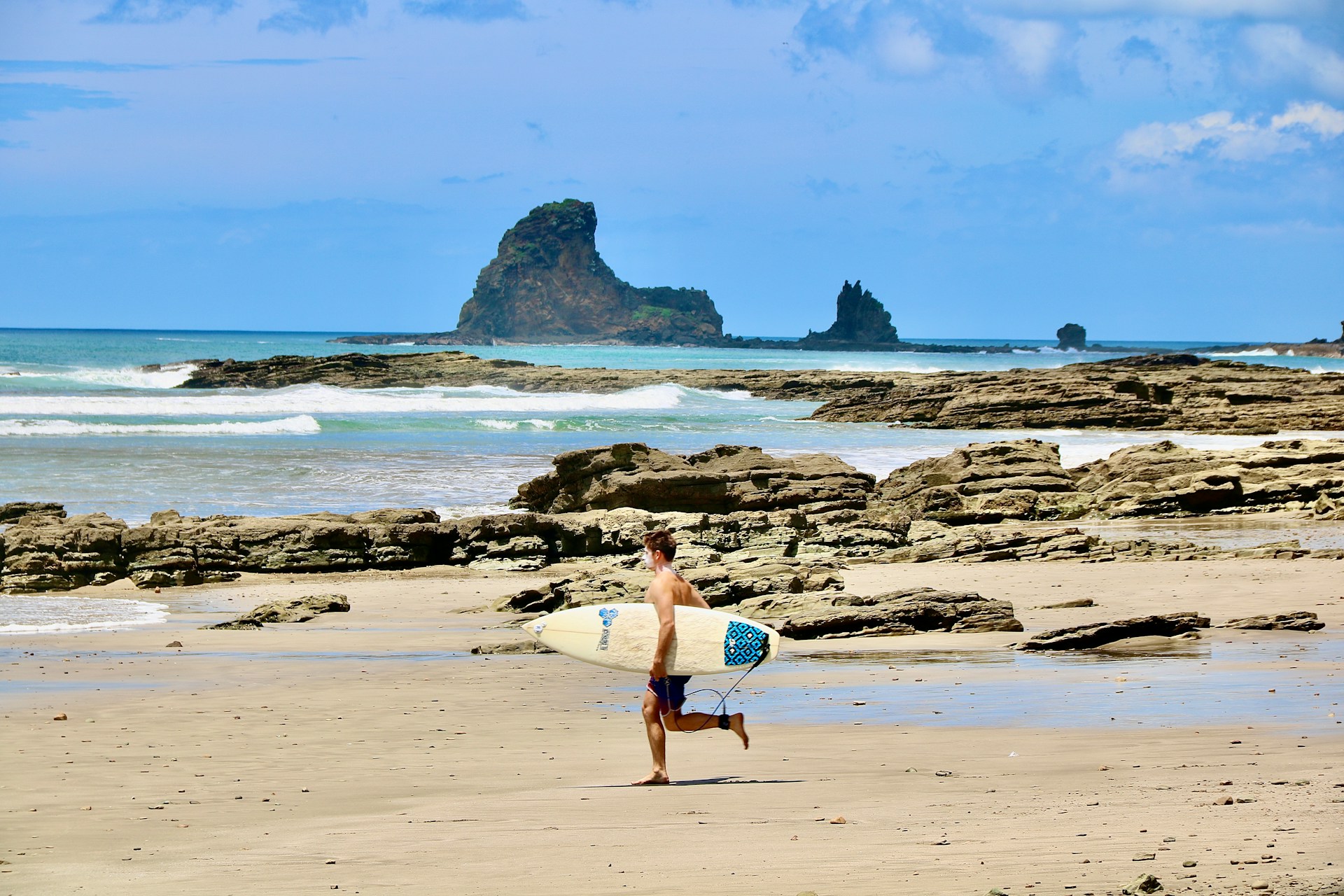
If you are looking for the heart of the surf scene near San Juan del Sur, Maderas is the spot. It is a stunning bay with big rock formations sticking out of the water that give it a really unique look. This place is a total magnet for swell. Because of the way the coast is shaped, it picks up almost any energy the Pacific throws its way. The main reason surfers flock here is the consistency. Even when other spots are flat, Maderas usually has a rideable peak.
The typical swell here hits a sandy bottom with some rock scattered around, creating multiple peaks across the beach. You get a mix of lefts and rights that can be super playful or surprisingly heavy depending on the size. It is a fantastic place for beginners because the beach is wide and the whitewater is perfect for practicing, but it also has enough punch to keep the locals and pros happy. When the tide is high and the sun starts to drop, the vibe on the sand is legendary. If the waves are small, you can grab a taco, watch the sunset, or hike over the rocks to explore hidden coves. It is a social, high-energy beach that feels like a daily party.
Best Season to Surf in Playa Maderas
- Main Surf Season — May to October: South and southwest groundswell charges into Playa Maderas’ sheltered cove, with the biggest, most consistent waves arriving in the wet season. June through August are the heart of the swell run, while September and October bring the heaviest rain alongside substantial pulses.
- Shoulder Season — March to April: The southern swell season begins to stir, with the first meaningful pulses arriving around March and April. This is a lively transition: the dry season is still holding on, mornings are often clean, and Easter week brings a temporary burst of visitors.
- Dry Season — November to February: Papagayo winds return, keeping the coast dry, clear and groomed with offshore mornings. Northwest pulses can occasionally push waves past head-high, but the sheltered bay generally keeps conditions gentle and beginner-friendly.
Surf Spots
Playa Maderas
This is the main event. It is a versatile beach break with several peaks. At the south end, you get a fun right that peels off the rocks, while the middle and north ends offer punchy beach break peaks. It works on all tides, but mid-tide is usually the sweet spot for the best shape. It is a high-energy spot that is fun for every level of surfer.
Playa Marsella
Just a short hop south over the hill, Marsella is the quiet neighbor. It is a very protected bay, so the waves here are much smaller and calmer than at Maderas. If the sand is right, small little waves can form. It is not a high-performance wave by any means, but it is a great place for a mellow longboard session or for absolute beginners who want a very gentle introduction to the ocean.
Surf Schools and Camps
These guys are right on the pulse. They offer solid lessons for all levels and really focus on safety and catching as many waves as possible.
A crew that is all about the local vibe and progression. They know the sandbars at Maderas better than anyone and will get you into the best peaks of the day.
Surf Camps
A chill spot that focuses on a sustainable and relaxed surf lifestyle. It is perfect for those who want to stay close to the jungle and the waves.
An eco-friendly lodge tucked into the hills with incredible views. They excel in combining a comfortable stay with a deep love for the local surf culture.
Conclusion on Playa Maderas
Playa Maderas is the place to be if you want a surf trip that is as much about the social vibe as it is about the waves. The consistency is fantastic, meaning you are almost guaranteed to get wet every day. It is the perfect spot to meet other travelers, improve your surfing, and soak up the best sunsets in Nicaragua. While it can get a little crowded when the swell is on, the energy is always positive. Its a good ground for beginners to advanced, just depending on the day. It is absolutely worth sending it for a session.
FAQ: Travel Essentials for Playa Maderas
What is the average water temperature?
The water at Playa Maderas is warm for most of the year, averaging 27°C to 29°C (80°F to 84°F) from May through November. However, strong Papagayo offshore winds between December and April cause cold-water upwelling, dropping water temperatures to roughly 20°C to 24°C (68°F to 75°F).
What wetsuit thickness do I need?
Board shorts or swimsuits are standard from May to November, paired with a rash guard for UV protection. Between December and April, a 2mm wetsuit top, spring suit, or 3/2mm short-arm full suit is strongly recommended to stay comfortable during windy upwelling sessions.
Which airport should I arrive at?
Augusto C. Sandino International Airport (MGA) in Managua is the primary international entry point, located roughly a 2.5 to 3-hour drive south. Alternatively, you can fly into Daniel Oduber Quirós International Airport (LIR) in Liberia, Costa Rica, which sits about 3 hours away including the Peñas Blancas border crossing. From San Juan del Sur, Playa Maderas is a 20 to 30-minute ride down a bumpy dirt road via 4×4 or surf shuttle.
What is the currency and which languages are spoken?
The official currency is the Nicaraguan Córdoba (C$), though US Dollars ($) are widely accepted at surf camps, hostels, and beachfront restaurants. Spanish is the native language, while English is commonly spoken throughout local surf accommodations and schools. Bringing plenty of cash is essential, as there are no ATMs at Playa Maderas and you will need to visit San Juan del Sur for banking services.
Is this location good for beginner surfers?
Yes, particularly for beginners working with a local instructor or advancing past their first whitewater sessions. Playa Maderas is a versatile sandy beach break with distinct peaks—including a softer inside reform section ideal for learners on smaller swells, alongside punchier lefts and rights near the iconic shark-fin rock that cater to intermediate and advanced surfers.
More Nicaragua Surf Guides
Yes, you can find the others by checking out our master blog post Nicaragua Surf Blogs.