Surfing in Peru: A Surf Travel Guide
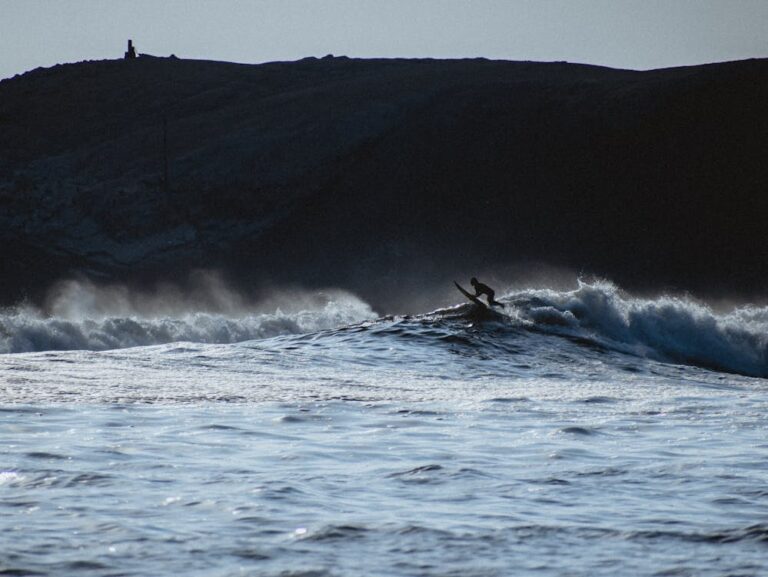
Peru is a land where the desert meets the Pacific, creating a coastline of over 2,400 kilometers that holds some of the longest and most consistent waves on the planet. From the rugged, misty cliffs of Lima to the sun-drenched tropical shores of the North, Peru offers a surf experience that is as much about cultural immersion as it is about the ocean. Here, you can share a lineup with caballitos de totora—traditional reed boats used by fishermen for over 3,000 years. Whether you are seeking the “World’s Longest Left” or a beginner-friendly beach break, Peru’s unique geography ensures there is a wave for every level of surfer.
General Best Season for Conditions
The High Swell Season (May to October): This period experiences the strongest ocean energy. The waves are large and provide long rides through sections that can become hollow. The landscape is vibrant and green, and the ocean is typically smooth in the early mornings.
Beginner Recommendation – The Dry Season (December to April): Ideal for organized conditions and more manageable waves. The offshore winds are constant and the weather remains clear. Excellent for intermediate surfers to practice on beach breaks.
General Recommendation – The Transition Months (April and November): These months provide a useful combination of good waves and pleasant weather. You can often experience the first significant swells of the year while enjoying sunny conditions.
Surf Locations Breakdown
The Central Coast (Lima & Surrounds)
Lima: The capital is a rare “surf city.” Most surfing happens in the Miraflores district (Costa Verde), featuring stony beaches like Playa Makaha (perfect for beginners) and La Pampilla. It’s the perfect place to get your “surf legs” before heading north.
San Bartolo: Located about an hour south of Lima, this relaxed town offers very consistent, fun waves. It has two main breaks—the “Derechitas” (rights) and “Izquierditas” (lefts)—making it a great training ground for all levels.
Punta Hermosa: The soul of Peruvian surfing. This area is home to several high-quality breaks like Señoritas and Caballeros, and the legendary Pico Alto, which is one of the premier big-wave spots in South America.
The North-Central Points
Huanchaco: A historic town famous for its reed boats. It offers a long, mellow left point break. It is highly consistent and serves as a fantastic introduction to the long-distance points of the north.
Puerto Chicama: The “Holy Grail” of lefts. Known as the longest left-hand wave in the world, it can offer rides of over 2km. It is a dream-like, machine-perfect wave that requires a boat (zodiac) service to get back to the point after a long ride.
Puemape: Located between Chicama and Pacasmayo, this is a powerful and often hollow left point break. It is less crowded and handles large swells with more intensity than its neighbors.
Pacasmayo: Often called Chicama’s “big brother.” It is more exposed to swell, offering more size and power. It is a favorite for those seeking long, heavy walls and is also a world-class destination for windsurfing.
The North
Lobitos: Located in an old oil town with a rugged, desert feel. It features several world-class sections like El Hueco and La Piscina. When it’s on, it provides some of the best barrels in Peru.
Los Organos: Home to Punta Veleros, this is a high-quality left point break that is more protected from the wind. It offers cleaner faces and, on the right swell, some of the most beautiful turquoise tubes in the country.
Mancora: The tropical tourist hub of the north. It features a fun, rippable point break and is one of the few places in Peru where you can surf in boardshorts year-round. It is perfect for those who want a mix of surfing and nightlife.
Zorritos: The furthest north of the group, near the Ecuadorian border. It offers much warmer water and quieter, uncrowded beaches. The waves are generally mellow and suited for those looking for a peaceful escape.
Conclusion
A surf trip to Peru is a journey through time and nature. Whether you are navigating the urban swells of Lima or watching the sunset over the desert dunes of Pacasmayo, the consistency of the Pacific ensures that your “ride of a lifetime” is always just one swell away. Pack a versatile quiver, respect the local lineups, and prepare to have your legs burn from some of the longest rides you will ever experience in your journey for the perfect session.