Surfing in Mandriola, Sardinia: An Italian Surf Town Travel Guide
Introduction to Surfing Mandriola
Mandriola is a tranquil coastal village located on the Sinis Peninsula, an area widely recognized as the epicenter of surfing in Sardinia. This small, unpretentious settlement sits at the heart of a rugged landscape defined by quartz-sand beaches and ancient Spanish watchtowers. Mandriola is uniquely positioned to receive the full force of the “Maestrale” (northwest) winds, which transform the Mediterranean into a high-energy playground. Surfing here offers a raw, authentic connection to the island’s wild west coast; it is a place where the air smells of salt and Mediterranean scrub, and the rhythm of life is dictated entirely by the arrival of the next groundswell. For those seeking the most consistent and powerful waves in Italy, Mandriola and the surrounding Sinis coast are non-negotiable destinations.
Mandriola is the definitive choice for surfers seeking world-class Mediterranean consistency, a rugged and peaceful natural environment, and an authentic Sardinian surf culture.
Best Season to Surf Mandriola
- The High Swell Season: May to October. This period experiences the strongest ocean energy. The waves are large and provide long rides through sections that can become hollow. The landscape is vibrant and green during these months, and the ocean is typically smooth in the early mornings.
- Beginner Recommendation – The Dry Season: December to April. This is the ideal time for organized conditions and more manageable waves. The offshore winds are constant and the weather remains clear for long periods. It is an excellent season for intermediate surfers to practice on the beach breaks.
- General Recommendation – The Transition Months: April and November. These months provide a useful combination of good waves and pleasant weather. You can often experience the first significant swells of the year while enjoying sunny conditions.
Surf Spots and Beaches in Mandriola
Mandriola Beach (Capo Mannu Area)
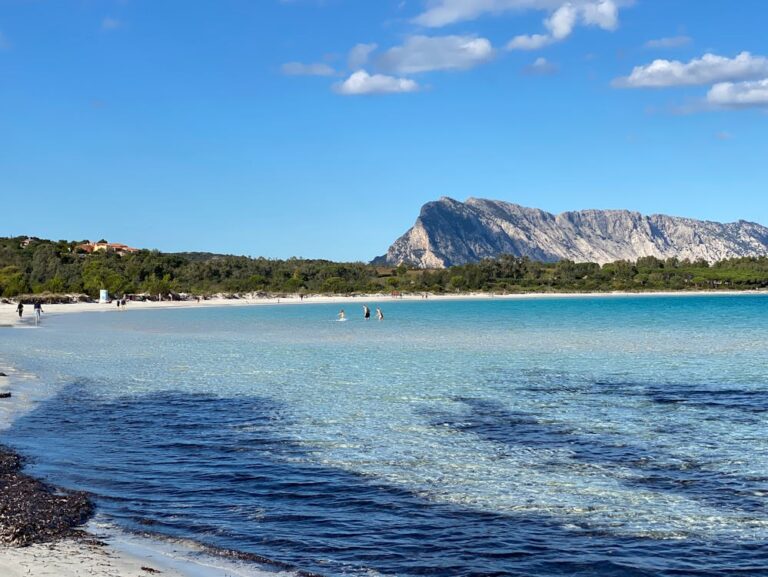
The surfing in Mandriola is centered around a series of world-class setups that benefit from the peninsula’s unique geography. The main beach area features reliable sandbanks that produce long, workable left and right peaks. However, Mandriola’s true fame comes from its proximity to Capo Mannu, the most iconic surf spot in the Mediterranean. When the northwest swells arrive, the bay at Mandriola can offer anything from fun, mellow rollers perfect for longboarding to powerful, hollow walls that test the skills of the best shortboarders in Europe. The crystal-clear water and the dramatic limestone cliffs create a majestic arena where the energy of the open sea is focused into perfectly groomed peaks.
A high-energy Mediterranean beach where the golden sands and consistent pulses from the sea create a world-class environment for every session along the Sardinian coast.
Surf Lessons and Camps
Is Benas Surf Club is a pioneer of Italian surfing, established in the late 90s as the first surf school on the island. Based in the Mandriola and Sinis area, their professional team offers a comprehensive range of coaching, from “first wave” experiences to advanced technical clinics. They emphasize a holistic approach that covers ocean safety, swell forecasting, and technical progression. With deep roots in the local community and a passion for the Sardinian sea, Is Benas provides an expert and welcoming gateway to the waves. Their instructors are masters at reading the complex swell patterns of the Sinis coast, ensuring that students are always positioned in the best possible conditions for their level.
Other Things to Do in Mandriola
- Tharros Archaeological Site: Explore the ruins of this ancient Phoenician-Roman city located at the southern tip of the Sinis Peninsula.
- Is Arutas Beach: Visit this world-famous beach known for its unique “sand” made of tiny, colorful quartz grains resembling grains of rice.
- Capo Mannu Lighthouse: Hike out to the lighthouse for panoramic views of the coast and to watch the legendary swells roll into the bay.
- San Giovanni di Sinis: Visit the 6th-century Byzantine church, one of the oldest in Sardinia, standing in a small village of traditional fishermen’s huts.
- Sardinian Gastronomy: Savor local specialties like “Bottarga di Muggine” (cured fish roe) and fresh Vermentino wine in the quiet trattorias of the peninsula.
Conclusion on Surfing Mandriola
Mandriola offers a quintessential Sardinian surf experience, balancing unparalleled wave consistency with the raw, tranquil beauty of the Sinis coast. The reliability of the peaks and the legendary expertise of the Is Benas Surf Club make it a premier destination for those seeking a high-quality, authentic surf trip in the heart of the Mediterranean.
Whether you are carving through a clean morning swell or watching the sunset over the quartz sands after a session, Mandriola provides a profound connection to the sea and the adventurous spirit of Sardinian surf travel.
FAQ: Surf Travel to Mandriola
Is Mandriola suitable for beginners?
Yes, during smaller swells, the sandy beaches around Mandriola are excellent for learning. However, the area is also known for its power, so beginners should always consult with the local school before heading out.
What is the water temperature?
In summer, the water ranges from 22°C to 25°C (72-77°F). In winter, it can drop to 13°C (55°F). A 3/2mm wetsuit is ideal for spring and autumn, while a 4/3mm is necessary for winter groundswells.
How do I get there?
Mandriola is most easily reached by car, located about 25 minutes from Oristano and approximately 1.5 to 2 hours from the airports in Cagliari or Alghero.
Is the beach crowded?
As a top-tier destination, the most famous peaks can get busy when the swell is on. Respecting the local surf etiquette and the long-standing community at Is Benas is essential.
Can I surf at low tide?
Tidal movements in the Mediterranean are minimal. Surfing is possible throughout the day, as wave quality is influenced much more by the “Maestrale” wind and swell energy than by the tide.
Are there other locations to do a Surf Camp or take a lesson in Italy?
Check out our Surfing in Italy Travel Guide if you’re interested in checking out other surfing locations.