Checking out Dunnet Bay: A Beginner Surf Spot in Scotland
Introduction to Surfing Dunnet Bay
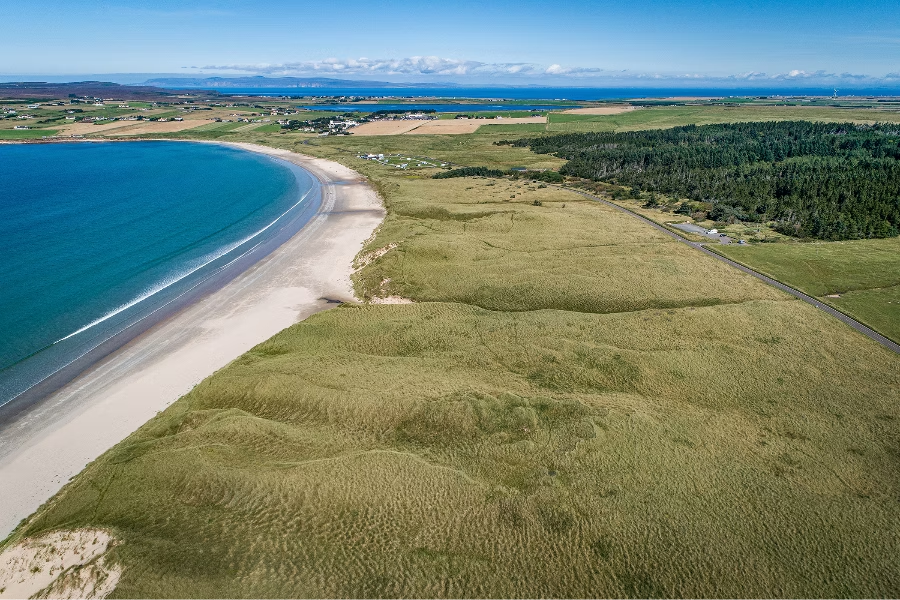
Dunnet Bay is a spectacular sweeping arc of white sand situated at the very northern edge of mainland Scotland, where the high-energy North Atlantic meets the dramatic cliffs of Dunnet Head. This remote and breathtaking destination offers a premier surfing environment characterized by its incredible scale and northern light. For surfers, Dunnet Bay provides a profound sense of freedom, offering consistent beach peaks that work across a wide variety of swell conditions.
Surfing here is a cinematic experience where the ocean meets a landscape of towering dunes and crystal-clear water, providing a refreshing and powerful pulse that is synonymous with the Highlands. With professional surf infrastructure and a community that thrives on the adventurous spirit of the North Coast 500, Dunnet Bay serves as a premier gateway for those seeking an authentic and fun beginner-quality surf holiday in a setting of immense natural beauty and wild maritime energy.
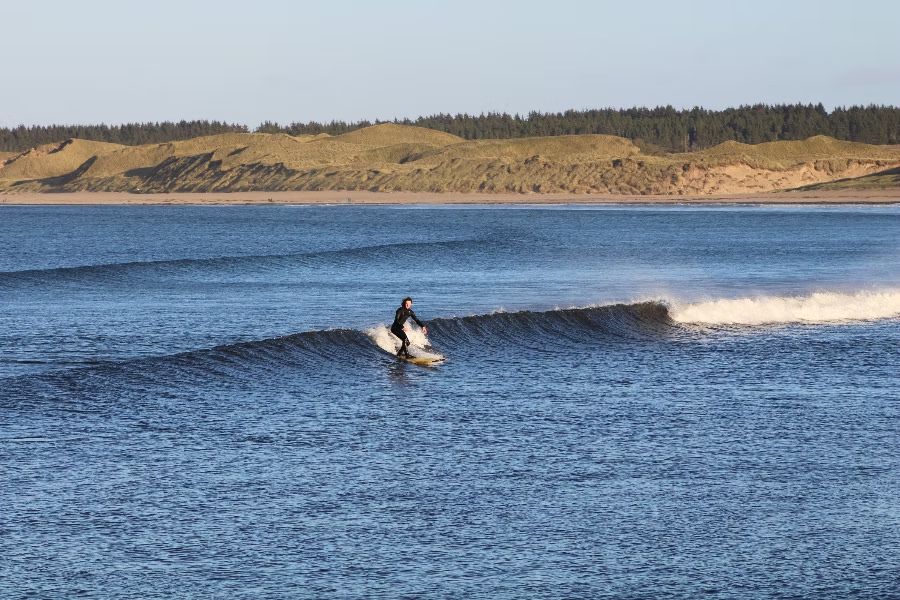
A beautiful wave riden by one of the North Coast Watersports instructors.
Dunnet Bay is the definitive choice for surfers seeking consistent Atlantic pulses, a peaceful and authentic Highland atmosphere, and professional surf coaching in a landscape of vast sandy beaches and legendary northern scenery.
Best Season to Surf Dunnet Bay
- The High Swell Season – Not Recommended. From October through February, you can find the largest waves. This period experiences the strongest ocean energy. Dunnet Bay doesn’t work well on these large swells, are not advisable for beginners.
- Beginner Recommendation – Summer Season: April through August. This is the ideal time for organized conditions and more manageable waves. Smaller waves, less power, and favorable warm weather offer the perfect Scottish surf retreat.
- General Recommendation – The Transition Months: April and October. These months provide a useful combination of good waves and pleasant weather. You can often experience the first fun small swells of the year while enjoying sunny conditions.
Surf Spots and Beaches in Dunnet Bay
Dunnet Bay
The surfing in Dunnet Bay is defined by its massive two-mile shoreline. This spot features a versatile sandy bottom that works well through various stages of the tide. Because of its orientation, the bay is often protected from the strongest westerly winds, helping to organize the walls that make for favorable conditions that are soft and mellow during the summer times.
The backdrop of Dunnet Head—the most northerly point of the British mainland—provides a spectacular setting, ensuring every session feels connected to the unique natural balance of the Scottish coast.
A high-energy Atlantic beach where the white sands and consistent pulses from the sea create a perfect environment for every session along the Dunnet coastline.
A overview of the beach showing waves breaking, forming perfect white water for beginners
North Coast Watersports giving an overview of the area and their school.
Surf Lessons and Camps
North Coast Watersports
North Coast Watersports is a premier center for instruction in Dunnet Bay, dedicated to sharing a passion for the North Atlantic through a professional and adventurous lens. Iona and Finn, two longtime surf lovers, decided to open shop to share their love and give others the chance to grow their love for the ocean.
They are situated along the famous North Coast 500, where you can find breathtaking views, fun company, and waves for sessions almost anytime of the year. Experience the North Coast Vibe and hop into the water with them!
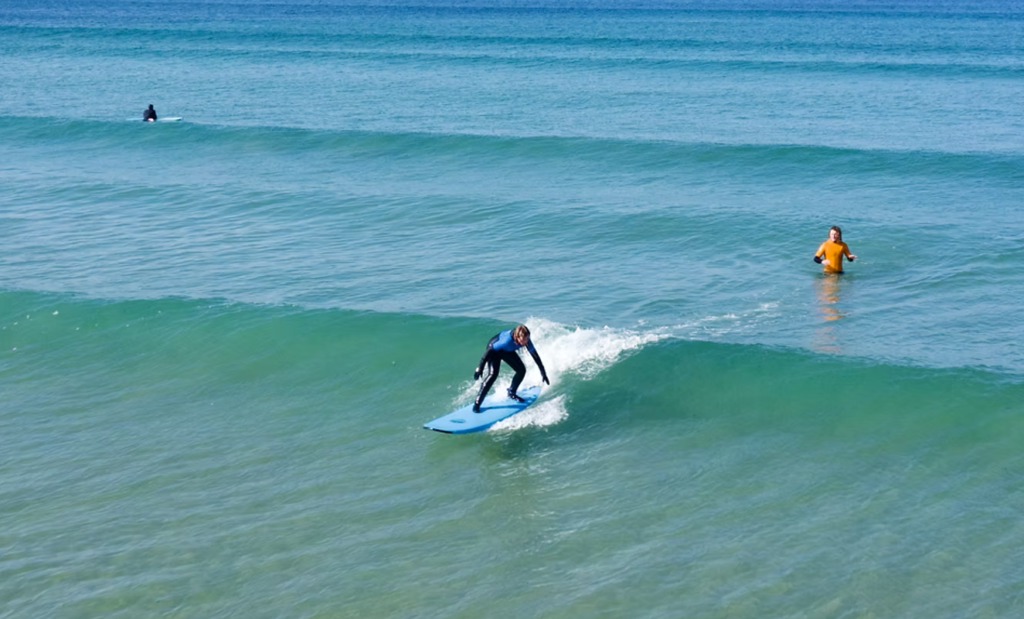
North Coast Watersports teaching a student on a beautiful day along the Scottish Coast.
Other Things to Do in Dunnet Bay
- Dunnet Head Lighthouse: Visit the most northerly point of the UK mainland for incredible views across the Pentland Firth to the Orkney Islands.
- Castlehill Heritage Centre: Explore the history of the local flagstone industry and the maritime heritage of the Caithness coast.
- Wildlife Watching: Spot puffins, fulmars, and razorbills nesting on the nearby cliffs, or keep an eye out for seals and dolphins in the bay.
- Dunnet Forest: Take a walk through the UK’s most northerly community woodland, featuring unique sculptures and peaceful trails.
- Local Gastronomy: Visit the nearby distillery or enjoy fresh local produce at the traditional inns and cafes in the surrounding villages.
Conclusion on Surfing Dunnet Bay
Dunnet Bay offers a quintessential Scottish surf experience, balancing consistent Atlantic wave energy with the serene and wild beauty of the Caithness coast. The reliability of the sandbanks and the professional, adventure-driven expertise of schools like North Coast Watersports make it a premier destination for those seeking quality waves in an authentic and world-class setting.
Whether you are carving through a clean morning pulse or watching the sun set over the Orkney horizon after a session, Dunnet provides a profound connection to the sea and the adventurous spirit of Scottish surf travel.
FAQ: Surf Travel to Dunnet Bay
Is Dunnet Bay suitable for beginners?
Yes, the gentle slope of the beach and the professional coaching available make it one of the best and safest places in Northern Scotland to learn how to surf.
What is the water temperature?
In summer, the water ranges from 12°C to 14°C (54-57°F). In winter, it drops to around 6°C to 8°C (43-46°F). A 5/4mm wetsuit with boots, gloves, and a hood is recommended year-round.
How do I get there?
Dunnet Bay is located on the A836, part of the North Coast 500 route, between Thurso and John O’Groats. It is easily accessible by car and has ample parking at the beach.
Is the beach crowded?
Due to its remote location and massive size, Dunnet Bay is rarely crowded. Surfers can almost always find a peak with plenty of space, even during the peak summer months.
Can I surf at low tide?
Conditions are tide-dependent. While it can be surfed at various stages, mid-tide is often the most consistent, as very low tide can sometimes cause the waves to close out on the shallower sandbanks.
Are there other locations to do a Surf Camp or take a lesson in Scotland?
Check out our Surfing in Scotland guide if you are interested in learning about more areas.