Surfing in St Andrews, Scotland: Best Lessons and Surf Guide
Introduction to Surfing St Andrews
St Andrews is a world-famous coastal destination on the Fife peninsula, where the historic “Home of Golf” meets the expansive and rhythmic energy of the North Sea. Known for its prestigious university and medieval ruins, West Sands Beach offers a surfing environment that is as scenic as it is reliable. Surfing here is a cinematic experience; the ocean meets a landscape of championship golf courses, ancient church spires, and a vast horizon, offering a refreshing and powerful pulse that is synonymous with the Scottish east coast.

A birdseye view of St Andrews medieval ruins, which showcase the vibes of the area.
Gentle sand bottom beaches make it the perfect location for those chasing a beginner surf experience, or something a little above. It is the definitive choice for surfers seeking consistent North Sea pulses, a sophisticated coastal atmosphere, and professional surf coaching in a landscape of vast sandy beaches and legendary Scottish scenery.
Best Season to Surf St Andrews
- The High Swell Season – Winter Months: October to March. This period experiences the strongest ocean energy. The waves are typically large and not recommended for beginners. The landscape is vibrant and green during these months, and the ocean is typically smooth in the early mornings.
- Beginner Recommendation – Summer Months: May to August. This is the ideal time for organized conditions and more manageable waves. The waves are smaller and gentler, making it the perfect setup for some beginner sessions. Matched with the warm weather, it can’t be beaten.
- General Recommendation – The Transition Months: April and September. These months provide a useful combination of good waves and pleasant weather. You can often experience the first significant swells of the year while enjoying sunny conditions.
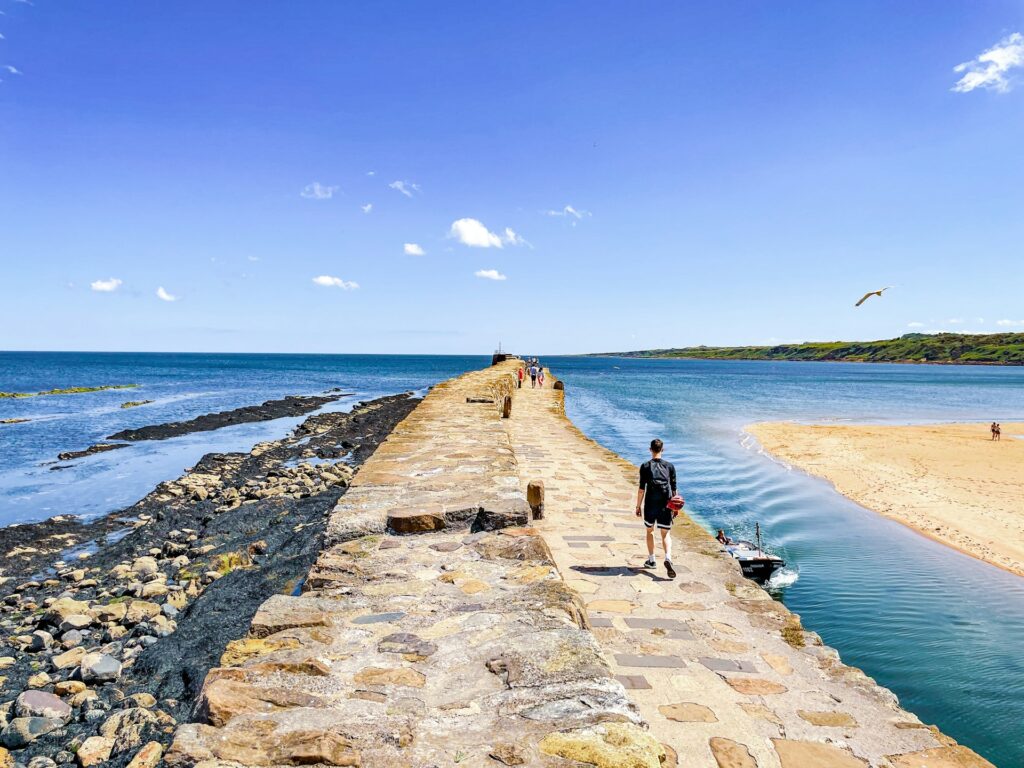
A beautiful summer day in St Andrews.
Surf Spots and Beaches in St Andrews
East Sands and West Sands Beach
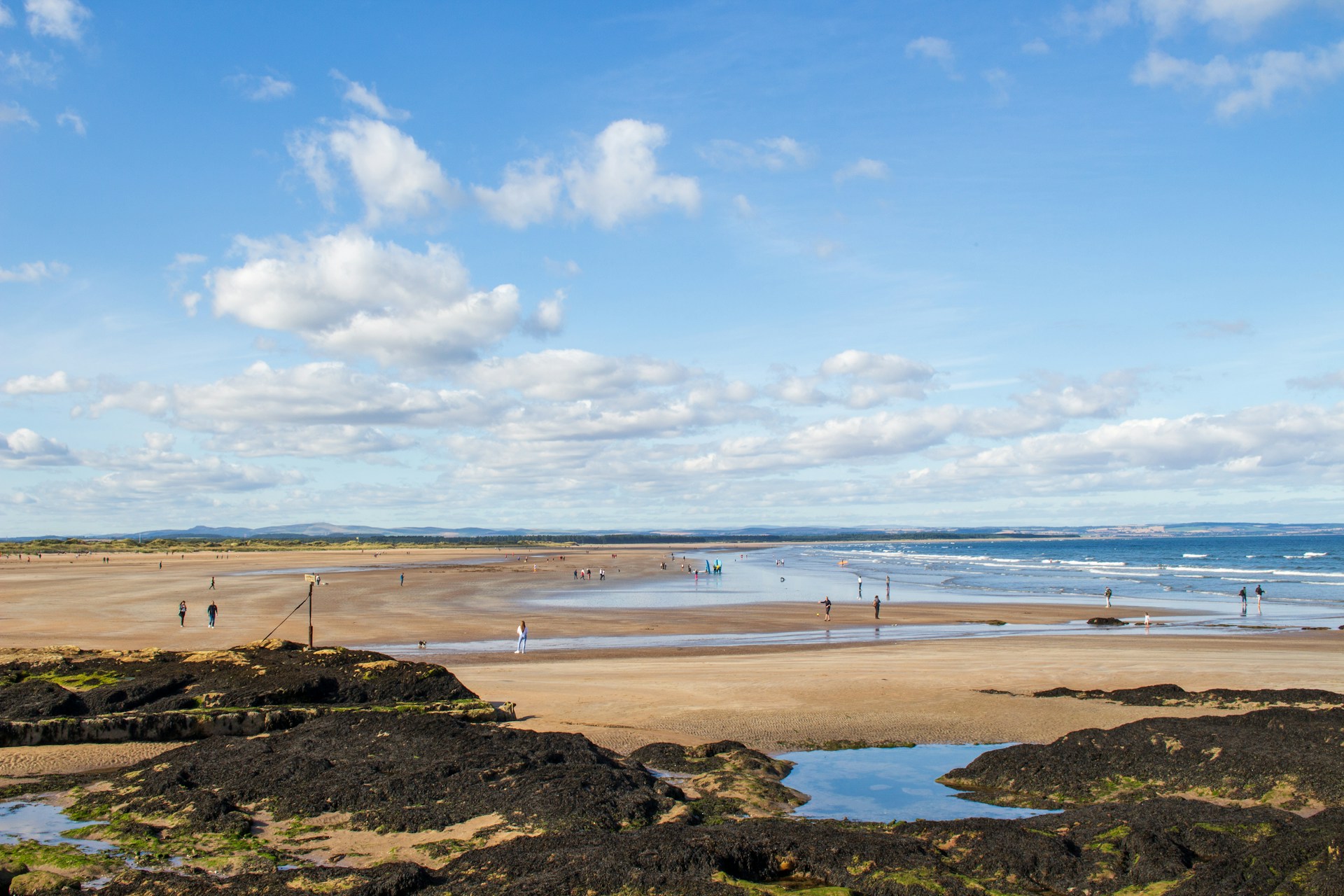
The surfing in St Andrews is centered on the iconic West Sands and East Sands Beaches. Both of these feature a versatile sandy bottom with multiple left and right-hand waves that work best around mid-to-high tide. As a significant swell magnet for the Fife coast, they capture consistent North Sea pulses throughout the year, making it a favorite for the regional surfing community.
Some beautiful waves along the St Andrews coastline.
Their expansive shorelines and the backdrop city provide a spectacular setting, ensuring every session feels connected to the unique natural and historic balance of the St Andrews coast.
A description is not really needed on this one. Perfect waves for beginners to intermediates.
Surf Lessons and Camps
Blown Away
Blown Away is a premier center for instruction and coastal adventure in St Andrews, dedicated to sharing a passion for the North Sea through a professional and highly technical lens.

Blown Away Surf School students riding some St Andrew waves!
Their team of certified instructors offers a range of lessons designed for all ages and skill levels, focusing on providing a solid foundation in surfing and ocean awareness. By emphasizing technical progression and a deep understanding of the unique maritime dynamics of the Fife coast, they ensure every student builds confidence while connecting with the adventurous spirit of the East of Scotland. A perfect surf session is sure to occur with them!

Some happy surfers riding some waves with Blown Away.
Other Things to Do in St Andrews
- St Andrews Cathedral: Explore the ruins of what was once the largest church in Scotland, offering dramatic views over the harbor and cliffs.
- The Old Course: Take a walk across the world’s most famous golf course (open to the public on Sundays) and cross the iconic Swilcan Bridge.
- St Andrews Castle: Visit the remains of this episcopal fortress, including its unique bottle dungeon and mine/counter-mine tunnels.
- West Sands Walk: Enjoy a stroll along the entire two-mile length of the beach, following the dunes that protect the local ecology.
- Local Gastronomy: Savor world-class seafood, traditional Scottish fudge, or a local craft ale at the town’s many historic pubs and contemporary restaurants.
Conclusion on Surfing St Andrews
St Andrews offers a quintessential Scottish surf experience, balancing consistent wave energy with the vibrant and historic pulse of a world-renowned university town. The reliability of the sandbanks at West Sands and the professional, adventure-driven expertise of schools like Blown Away make it a premier destination for those seeking quality waves in an authentic and world-class setting.

A landscape photo of St Andrews.
Whether you are carving through a clean morning pulse or watching the sun set behind the cathedral ruins after a session, St Andrews provides a profound connection to the sea and the adventurous spirit of Scottish surf travel.
FAQ: Surf Travel to St Andrews
Is St Andrews Beach suitable for beginners?
Yes, the gentle gradient and sandy bottom of the sandy beaches make it an ideal and safe place for beginners to learn and progress under professional guidance.
What is the water temperature?
In summer, the water ranges from 12°C to 15°C (54-59°F). In winter, it drops to around 6°C to 9°C (43-48°F). A 5/4mm wetsuit with boots, gloves, and a hood is recommended for most of the year.
How do I get there?
St Andrews is easily accessible by car via the A91. While the town doesn’t have its own station, Leuchars railway station is just 10 minutes away with frequent bus connections and direct links to Edinburgh, Dundee, and London.
Is the beach crowded?
While West Sands is a popular destination for walkers and students, its massive size ensures that the surf peaks rarely feel crowded.
Can I surf at low tide?
Conditions are tide-dependent. At very low tide, the waves can break quite far out on the flats and become disorganized. Mid-to-high tide generally offers the best shape for surfing.
Are there other locations to do a Surf Camp or take a lesson in Scotland?
Check out our Surfing in Scotland guide if you are interested in learning about more areas.