Surfing in Thailand: A Surf Travel Guide
Introduction to Surfing in Thailand
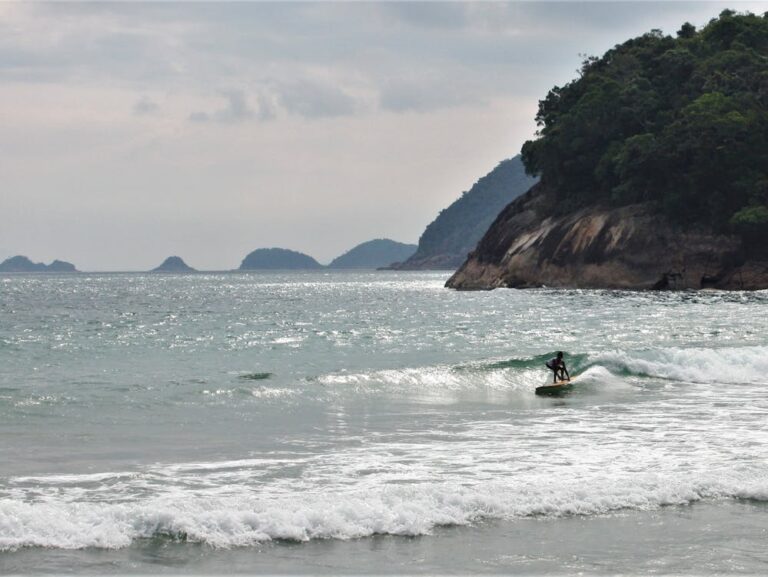
Thailand, renowned for beaches and islands, offers surprisingly good surfing along its Andaman Sea coast and Gulf of Thailand pockets. While primarily a beginner and intermediate destination, spots like Kata Beach Phuket and Rayong deliver consistent monsoon swells perfect for progression.
Surf schools have transformed tourist beaches into learning hubs, with Phuket’s Kata and Karon leading the way during the May-October wet season. Gulf spots like Rayong provide rare natural waves, while remote Koh Phayam offers uncrowded Andaman potential for adventurous travelers.
Best Season to Surf in Thailand
- Andaman Coast Peak (May to October): Southwest monsoon creates Thailand’s best surf windows at Kata Beach, Bang Tao Beach, and Khao Lak. Consistent beachbreak peaks with offshore mornings before afternoon onshore develops.
- Gulf of Thailand Windows (October to March): Northeast monsoon occasionally lights up Rayong and Hua Hin with rare but rideable windswells. Less consistent but closer to Bangkok.
- Koh Phayam (April to November): Remote Andaman island catches similar monsoon swells to Phuket but with emptier lineups and simpler accommodations.
Surf Spots in Thailand
Rayong
Thailand’s Gulf Coast surf hub at Hat Mae Rumpung Beach, just 2.5 hours from Bangkok. Rayong Surf School anchors the scene with lessons, rentals, and the country’s most consistent Gulf waves. Occasional south swells create waist-chest high beachbreak peaks perfect for weekend escapes.
Hua Hin
Royal resort town offering artificial surf pools and occasional natural beachbreak sessions. Surf Spot Hua Hin provides lessons across multiple watersports including surfing, SUP, and kitesurfing. Best as a multi-sport beach base rather than dedicated surf destination.
Kata Beach, Phuket
Phuket’s premier natural surf beach with consistent May-October monsoon swells. Sandy bottom beachbreaks suit beginners to intermediates, peaking at waist-head high. Multiple surf schools (Kata Surf Limited and others) create friendly learning environment with soft-top progression boards.
Bang Tao Beach
Phuket’s longest beach delivers mellow right and left peaks during monsoon season. Less crowded than Kata with luxury resorts backing the long sand stretch. Consistent smaller waves ideal for longboarding and progression between bigger Kata sessions.
Khao Lak
Northern Andaman coast between Phuket and Surin Islands. Occasional quality beachbreak peaks during monsoon with national park backing. Quieter alternative to Phuket with simple beach bungalows and dive shop surf rentals when conditions align.
Koh Phayam
Remote Andaman island 1-hour speedboat from Ranong. Uncrowded beachbreaks and rare reef setups catch monsoon swells with hippie island vibe. Bamboo bungalows, fire shows, and empty lineups reward adventurous surfers seeking Thailand’s most authentic surf experience.
Practical Surf Travel
- Main Hubs: HKT (Phuket), BKK (Rayong 2.5hrs), CNX (Chiang Mai to Phuket flights)
- Board Rental: $10-20/day Phuket/Rayong. Lessons $25-45/hour group, $50-80 private
- Surf Schools: Kata Surf Limited, Rayong Surf School, Surf Spot Hua Hin (multi-sport)
- Accommodation: Beach bungalows $30-80/night. Resorts $80-250/night
- Best Practice: May-Oct Andaman focus. Dawn patrol before 10am onshore. Reef booties recommended
Conclusion on Surfing in Thailand
Thailand transforms tourist beaches into surf progression playgrounds, with Kata Beach Phuket leading May-October monsoon sessions. Rayong offers rare Gulf of Thailand natural waves close to Bangkok, while Koh Phayam delivers remote Andaman authenticity.
Consistent warm-water beachbreaks, established surf schools, and resort infrastructure create perfect beginner-to-intermediate destination. Multiple regions ensure waves somewhere year-round, blending Thailand’s legendary hospitality with genuine tropical surf adventure.