Surfing in Dakhla, Morocco: Surf Camps, Spots, and Travel Guide
Introduction to Surfing Dakhla
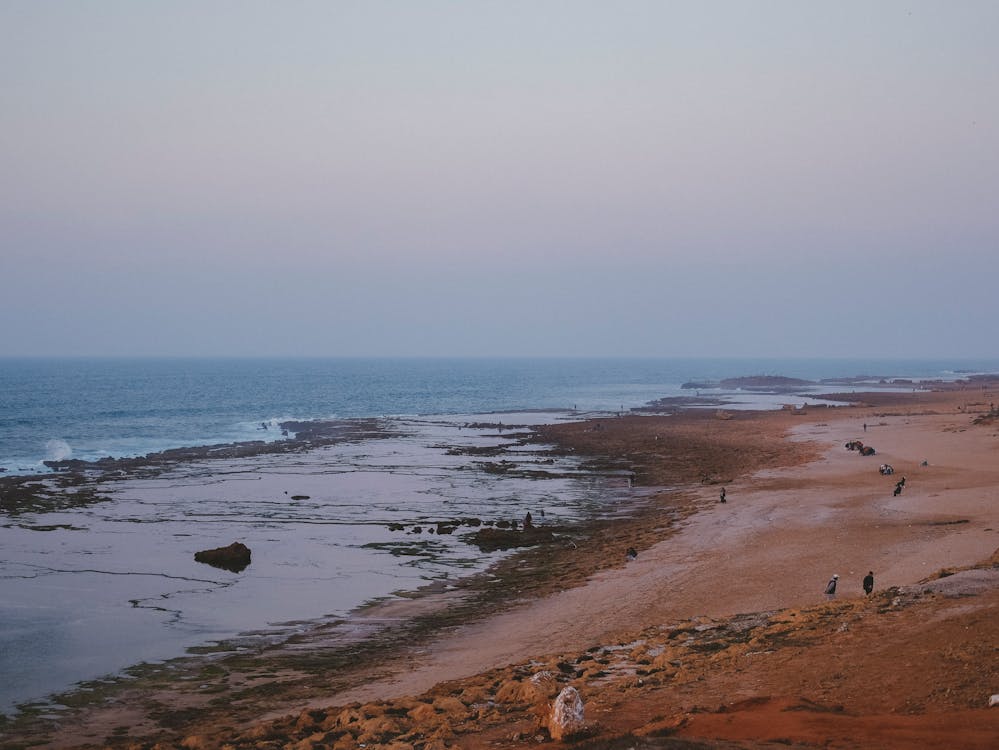
Dakhla is a remarkable frontier in the surfing world, located on a narrow peninsula where the golden sands of the Sahara Desert meet the turquoise waters of the Atlantic Ocean. While world-famous as a kitesurfing mecca due to its expansive lagoons and consistent trade winds, Dakhla hides an incredible secret on its Atlantic-facing coast: world-class, uncrowded point breaks that offer some of the longest rides in Africa. The atmosphere here is a unique blend of nomadic Sahrawi culture and modern adventure travel. Surfing in Dakhla is an immersive experience defined by vast desert horizons, dramatic coastal cliffs, and a sense of isolation that is increasingly rare in the surfing world.
Dakhla is the definitive choice for surfers seeking endless point-break walls, desert solitude, and a unique cross-cultural Atlantic adventure.
Best Season to Surf Dakhla
- The High Swell Season: May to October. This period experiences the strongest ocean energy. The waves are large and provide long rides through sections that can become hollow. The landscape is vibrant and green during these months, and the ocean is typically smooth in the early mornings.
- Beginner Recommendation – The Dry Season: December to April. This is the ideal time for organized conditions and more manageable waves. The offshore winds are constant and the weather remains clear for long periods. It is an excellent season for intermediate surfers to practice on the beach breaks.
- General Recommendation – The Transition Months: April and November. These months provide a useful combination of good waves and pleasant weather. You can often experience the first significant swells of the year while enjoying sunny conditions.
Surf Spots and Beaches in Dakhla
Dakhla Point (Oum Labouir)
Dakhla Point, locally known as Oum Labouir, is the premier surf destination on the peninsula. This classic right-hand point break peels along a sandy bay backed by stunning desert cliffs. Known for its incredible length, the wave offers multiple sections where surfers can practice everything from high-performance turns to long, cruising carves. Because the point is somewhat sheltered from the prevailing northerly winds, it often stays clean while the lagoon side of the peninsula is buzzing with kitesurfers. It is most consistent during the winter months when large North Atlantic groundswells wrap around the point, performing best from low to mid-tide.
A breathtaking Saharan point break where the desert meets the sea, offering incredibly long, peeling right-handers in a pristine wilderness setting.
Surf Camps and Lessons
Salty Joy offers a specialized surfing experience that focuses on the joy of the ocean and the unique spirit of the desert. Their programs are designed to help surfers of all levels connect with the waves at Oum Labouir. With a focus on community and personalized coaching, they provide an excellent gateway for those looking to explore the Atlantic coast of the Western Sahara in a safe and supportive environment.
Yas Surf is a dedicated local surf school and camp that prides itself on deep local knowledge of the peninsula’s shifting sandbanks and secret spots. Their instructors are experts at timing the tides and swells to ensure students are always at the best possible peak. They offer a range of lessons and guided trips, emphasizing technical progression and an authentic Sahrawi surfing lifestyle.
Other Things to Do in Dakhla
- Kitesurfing and Wing-Foiling: Experience the world-class conditions in the Dakhla Lagoon, legendary for its flat water and constant winds.
- White Dune (Dune Blanche): Visit this spectacular natural monument, a giant white sand dune that sits in the middle of the lagoon at high tide.
- Oyster Farms: Visit the local aquaculture farms at the edge of the lagoon to sample some of the freshest oysters in the world.
- Sahara Desert Excursions: Take a 4×4 trip into the vast desert interior to see ancient rock formations and experience traditional nomadic hospitality.
- Thermal Springs of Asmaa: Relax in the naturally sulfurous hot springs, known for their skin-healing properties and relaxing atmosphere.
Conclusion on Surfing Dakhla
Dakhla offers a surf experience that is truly off the beaten path, where the power of the Atlantic meets the silence of the Sahara. The combination of the legendary long walls at Dakhla Point and the professional guidance of schools like Salty Joy and Yas Surf makes it a premier destination for adventurous surfers looking for something beyond the typical resort experience.
Whether you are riding a minute-long wave at sunset or exploring the white dunes of the lagoon, Dakhla provides a profound sense of adventure and a connection to one of the most unique coastal landscapes on Earth.
FAQ: Surf Travel to Dakhla
Is Dakhla suitable for beginners?
Yes, while the point breaks can be long, they are generally sandy-bottomed and manageable on smaller swell days. Schools like Yas Surf are experts at finding the safest zones for learning.
What is the water temperature?
Despite being in the desert, the Atlantic is surprisingly cool due to the Canary Current. Summer temperatures range from 18°C to 21°C (64-70°F). A 3/2mm wetsuit is recommended year-round.
Is it safe to travel to Dakhla?
Dakhla is a peaceful and well-established tourist destination. However, visitors should always follow local advice and stay within recognized tourism zones.
How do I get there?
Dakhla (VIL) airport has regular flights from Casablanca and Agadir, and increasingly frequent direct connections from major European cities like Paris and Madrid.
Can I surf and kitesurf in the same day?
Absolutely. Many visitors surf the clean Atlantic waves in the early morning when the wind is light, and then head to the lagoon in the afternoon as the trade winds pick up.
Are there other locations to do a Surf Camp or take a lesson?
Check out our Surfing in Western Sahara Travel Guide if you’re interested in checking out other surfing locations in the region.