Surfing in Aposentillo, Nicaragua: The Boom, Surf Spots, Camps, and Travel Guide
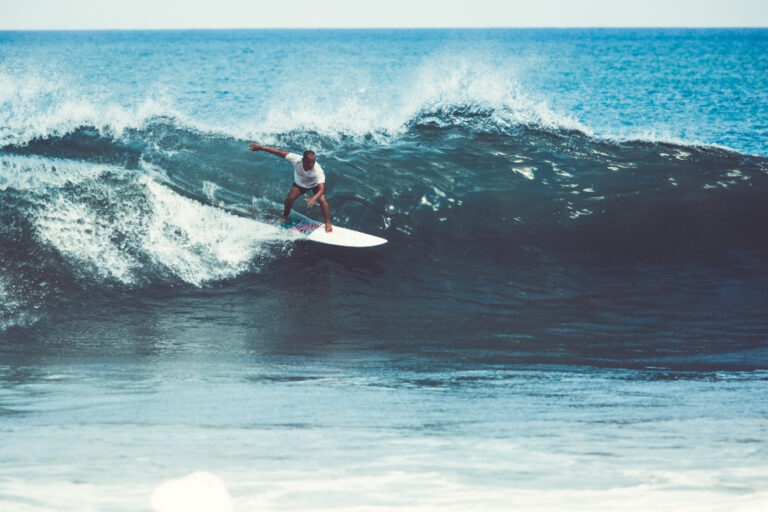
Northern Nicaragua, specifically in Aposentillo and the nearbing area has some fantastic surf spots, such as The Boom, alongside some great camps which we will cover in this article today. To get a sneak peak of the waves, check out this;
Introduction to Surfing in Aposentillo, Nicaragua
If you are looking for the ultimate “surf and nothing else” destination, Aposentillo is the place. Tucked away in the northern reaches of Chinandega, this area is a raw, untouched paradise where the jungle meets the Pacific. It is far less developed than the southern hubs, meaning you trade nightlife for world-class waves and total immersion in nature. The main reason surfers travel here is the legendary consistency and the sheer diversity of setups within a tiny radius, ranging from mellow bays to some of the heaviest barrels in Central America.
The typical swell hits a coastline that is perfectly angled to catch almost any southern groundswell. Unlike the south, the offshore winds here, while still frequent, are a bit more variable, which often keeps the water temperature a touch warmer. You can expect multiple peaks to choose from, often with just you and your friends in the lineup. It is a fantastic place for beginners because the central bay is one of the most sheltered learning zones in the country, but it is also a mecca for experts chasing “The Boom.” When the tide is right and the sun is beating down on the empty black sand beaches, the northern vibe feels like a secret that the rest of the world hasn’t found yet.
Best Season to Surf in Aposentillo
The primary season for those seeking power and size is from May to September. This is when the South Pacific is most active, turning the northern beach breaks into heavy-hitting barrel machines. While it is technically the wet season, the rain usually stays away until late afternoon, leaving the mornings glassy and clean.
For beginners and those wanting a more cruisy experience, the months from November to April are prime. The swells are smaller and more predictable, making it much easier to practice your pop-up and ride the long, rolling walls in the bay. The offshore winds blow steadily during this time, keeping everything perfectly groomed under clear blue skies.
Overall, the best time to visit is the transition month of April. You often get the first pulses of the big southern swells combined with the dry, sunny weather of the summer. It is the perfect window to experience the full potential of the region without the heavier tropical rains.
Surf Spots
The Boom
The crown jewel of the north. This is a world-class beach break known for its heavy, thundering A-frame barrels. It breaks in shallow water over sand and is often compared to a tropical Hossegor. It is fast, hollow, and best left to advanced surfers when it’s overhead.
Habaneros
A favorite local left-hand point break that offers multiple sections. It’s got a bit of everything: race tracks, barrel opportunities, and open faces for big turns. It is boat-access only, which keeps the crowds non-existent.
2nd Point
Just past Habaneros, this left point is usually a bit bigger and more aggressive than its neighbor. It offers a heavy drop and sections that can barrel if the swell direction is right.
Deserts
A “secret” beach break that handles almost any swell or tide. It is known for producing “barrels of destiny” on uncrowded, deserted stretches of sand where it’s often just you and the ocean.
Nalgas Guapas
The go-to spot for a more relaxed session. It offers soft, knee-to-waist high waves that are perfect for longboarding, fish boards, and surf lessons. It’s a very friendly and forgiving wave.
The Sandbar
A unique setup with two “Indo-style” sand points—a left and a right. When the sand settles correctly, it creates long, peeling lines that feel more like a point break than a beach break.
Maderas Negras
A low-tide river mouth break with a sand bottom. It features multiple peaks and can offer some of the longest and heaviest barrels in the region when the stars align.
The Corner
Located at the southern end of the main beach, this spot is reliable and often a bit smaller than the main peaks, making it a good escape when the swell gets too large elsewhere.
Hangovers
Right in front of the main resort area, this is a chill option for small days. On bigger swells, it can transform into fun, wedgy barrels, but it’s always a convenient and fun peak to hop into.
The Left
A versatile peak with exclusive parking nearby. On bigger swells, it lines up and connects into long, rippable walls. It also features a fun A-frame right on the deeper section.
The Bay
A beginner’s paradise. This sheltered bay is always smaller than the surrounding breaks, offering very gentle, rolling waves and plenty of whitewater for practicing the basics.
Surf School and Camp
This is the premier operation in the area. They offer an all-inclusive experience that covers everything from beginner lessons in the bay to boat-guided missions for experts looking to score the best barrels of their lives at the Boom or the outer points.
How to get to Aposentillo
Most travelers fly into MGA in Managua. From there, it is a drive of approximately 3 to 4 hours to reach the remote northern coast. While you can take a bus to Chinandega and then a local panga or shuttle, the most efficient way is a private airport transfer arranged by your camp, as the final dirt roads can be tricky to navigate if you aren’t a local.
General Costs and Considerations
Aposentillo is very affordable, but because it is remote, you should come prepared. A typical meal at a local “comedor” will cost about 7 to 10 dollars. The local currency is the Córdoba, but US dollars are widely accepted in the camps. There are no ATMs in Aposentillo, so you must withdraw enough cash in Chinandega or Managua to last your entire stay.
Travel Advisories
The area is generally very safe and peaceful. The biggest risks are the strong sun and the powerful currents at spots like The Boom. Always surf with a buddy and listen to the local guides regarding tides and river mouth water quality. Bring all your own surf hardware, such as wax, leashes, fins, as there are no surf shops in the immediate vicinity.
Other things to do in Aposentillo
Food
You have to try the fresh-caught Lobster or Red Snapper. Since you are in a fishing region, the seafood is incredible. Pair it with gallo pinto for the authentic Nicaraguan experience.
Location to Hike
Take a day trip to the Cosigüina Volcano. The hike to the crater provides a breathtaking view where you can see the coastline of three different countries: Nicaragua, Honduras, and El Salvador.
Cultural Thing
Take a tour of the Flor de Caña rum distillery in nearby Chichigalpa. It’s a world-famous brand and the tour gives you a great insight into one of Nicaragua’s biggest exports and its history.
Conclusion on Aposentillo
Aposentillo is for the surfer who wants to escape the noise and find the purest version of the Nicaraguan surf dream. It offers a rare combination of beginner-friendly bays and world-class expert barrels, all within a few minutes of each other. While it takes a bit more effort to reach, the reward is empty lineups, stunning volcanic scenery, and some of the best waves of your life. It is absolutely worth sending it for a session.