Surfing in Playa Grande: Surf Spots and Camp Guide
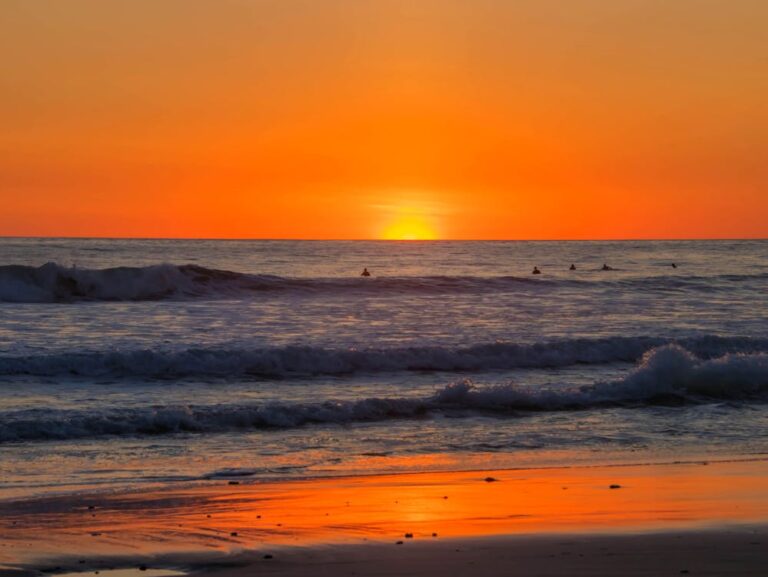
Check out this post to get some insights into planning your surfing trip to Playa Grande in Costa Rica. We will cover some of the best spots in the area alongside the best camps to improve your surf skills! Get hyped with this video;
Introduction to Surfing in Playa Grande
Playa Grande is a serene and expansive beach located within the Las Baulas National Marine Park in Guanacaste. Unlike its bustling neighbor Tamarindo, Playa Grande has remained a quiet, low-key community due to strict environmental protections aimed at preserving the nesting grounds of Leatherback sea turtles. The beach stretches for nearly five kilometers, offering a vast landscape of white sand and crystalline water. It is a destination where the focus is entirely on the natural world and the rhythm of the tides.
The surfing in Playa Grande is world-renowned for its high quality and incredible consistency. It is widely considered one of the best beach breaks in Costa Rica, offering fast, hollow waves that can provide professional-level barrels on the right swell. Because the beach is so large, there are numerous peaks to choose from, which helps spread out the crowd. While the main peak attracts advanced surfers, the long shoreline provides plenty of space for those looking for a more relaxed session. It is a location that combines raw Pacific power with a peaceful, protected environment.
Best Season to Surf in Playa Grande
- The High Swell Season: May to October. This period experiences the strongest ocean energy. The waves are large and provide long rides through sections that can become hollow. The landscape is vibrant and green during these months, and the ocean is typically smooth in the early mornings.
- Beginner Recommendation – The Dry Season: December to April. This is the ideal time for organized conditions and more manageable waves. The offshore winds are constant and the weather remains clear for long periods. It is an excellent season for intermediate surfers to practice on the beach breaks.
- General Recommendation – The Transition Months: April and November. These months provide a useful combination of good waves and pleasant weather. You can often experience the first significant swells of the year while enjoying sunny conditions.
Surf Spots in Playa Grande
Playa Tamarindo (Main Break)
The center of the bay offers gentle, sandy-bottom peaks like “El Estero” (near the river mouth). It is the premier spot for lessons and longboarding, providing soft, predictable waves that allow for long rides and easy progression for first-time surfers.
Playa Langosta
Located just south of town, Langosta is a more technical spot. It features a river mouth and a mix of sand and rock bottom, producing fast, punchy rights and lefts. It is best suited for intermediate to advanced surfers who are comfortable with more power and quicker takeoffs.
Playa Pacifica
Situated near the southern end of the bay, this spot offers a fun beach break that often has a bit more size than the main town beach. It is a great alternative when the center of the bay is crowded, offering a bit more solitude and room to maneuver on the green waves.
Playa Grande (Guanacaste Province)
Just across the river mouth to the north, Playa Grande is world-renowned for its consistency and power. As a wide-open beach break, it picks up more swell than Tamarindo and is famous for its long, hollow waves. It is also part of the Las Baulas National Marine Park.
Playa Ventanas
Located at the northernmost end of the bay, Playa Ventanas offers a slightly more protected environment. The waves here tend to be a bit smaller than the main peak, making it a great alternative when the swell is massive. The scenic rock formations and “windows” (ventanas) in the cliffs provide a stunning backdrop for a session.
Surf Schools and Camps
Mojo Surf Adventures specializes in finding secluded peaks away from the main crowds. They focus on providing a personalized experience with a 4:1 student-to-teacher ratio and ISA-certified instructors. Their lessons often include photography, snacks, and transportation, making it a comprehensive option for those wanting to learn in a quiet, high-quality environment.
Sister Surf offers an all-inclusive boutique experience designed specifically for women. Their retreats combine daily professional surf coaching with restorative yoga sessions tailored to surfers’ needs. Located just a short walk from the waves, it is an ideal choice for those seeking a supportive community and a deep connection with the ocean.
How to get to Playa Grande
The most convenient airport is LIR Guanacaste Airport in Liberia, which is about a 75-minute drive on well-maintained roads. You can also drive from San José (SJO), which takes approximately 4 to 5 hours. While a car isn’t strictly necessary for the town itself, a rental vehicle is highly recommended to explore the surrounding area. For those in Tamarindo, a small boat taxi can take you across the estuary in just a few minutes for a few dollars.
General Costs and Considerations
Playa Grande is a relatively quiet and upscale community. Expect a daily budget of $80 to $150. There are no ATMs in the immediate town of Playa Grande (the nearest are in Huacas or Tamarindo), so it is essential to carry cash. Most hotels and the few local restaurants accept credit cards. Because the town is spread out, many visitors prefer to have their own transportation or rent bicycles.
Travel Advisories
Since the beach is a protected turtle nesting site, access is restricted from 6:00 PM to 6:00 AM during nesting season; respect all park ranger instructions. Be mindful of the crocodiles in the estuary—never swim across; always use the boat taxi. The sun is particularly strong in Guanacaste, so zinc-based sunblock is a necessity. Keep the beach pristine by following the “leave no trace” policy within the national park.
Other things to do in Playa Grande
- Leatherback Turtle Tours: During nesting season (October to March), take a guided night tour with MINAE rangers to witness the incredible sight of turtles laying their eggs.
- Estuary Kayaking: Paddle through the mangroves of the Tamarindo Estuary to see diverse wildlife, including monkeys, herons, and crocodiles in their natural habitat.
- Sunset at Dante’s Rock: Hike to the northern end of the beach to watch the sun go down from the large rock formations that mark the boundary of the bay.
Conclusion on Playa Grande
Playa Grande is a rare destination that offers world-class surfing within a strictly protected natural sanctuary. It provides a level of tranquility and wave quality that is difficult to find in more developed areas. Whether you are charging the barrels at the main peak or enjoying a peaceful retreat with Sister Surf, the experience is one of pure connection with the Pacific. It is the perfect choice for the surfer who values empty horizons, pristine nature, and a focused high-quality sessions.
FAQ: Travel Essentials for Playa Grande
What is the average water temperature?
The water is warm year-round, averaging 28C (82F) in the summer and 29C (84F) during the green season.
What wetsuit thickness do I need?
No wetsuit is necessary. Board shorts or swimsuits are standard, though a rash guard is recommended for sun protection.
Which airport should I arrive at?
LIR Guanacaste Airport (Liberia) is the best gateway, located just 75 minutes away by car.
What is the currency and which languages are spoken?
The Colón ₡ is official, but US Dollars $ are widely used. Spanish is native, while English is spoken fluently town-wide.
Is this location good for beginner surfers?
Yes. While the main peak is for experts, the long beach offers plenty of gentle whitewater areas for those taking lessons.