Surfing Playa Cocles: Surf Spots, Beaches, and Camps Guide
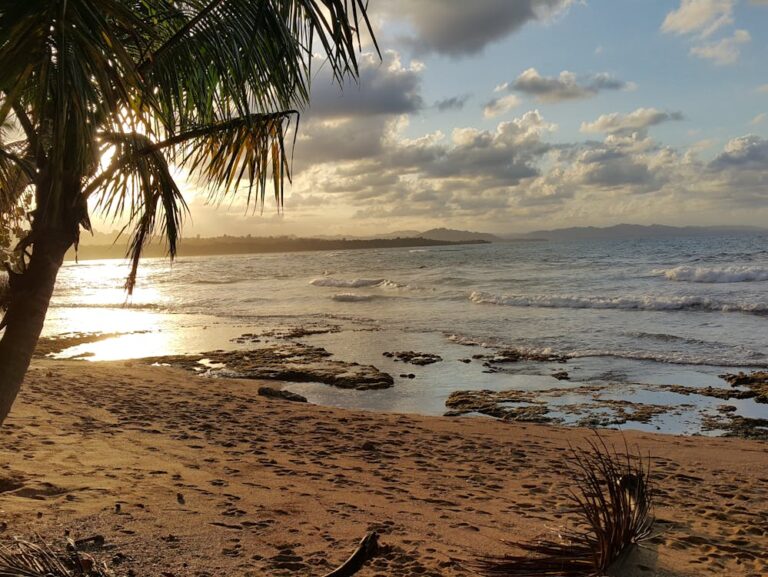
Playa Cocles, a little beach surfing paradise near Puerto Viejo, is a beautiful location to learn how to surf, all along the Carribean coastline of Costa Rica. This guide will cover the best surf spots and beaches, alongside, and creating your own camp. Get a sneakpeak of the wave;
Introduction to Surfing in Playa Cocles
Playa Cocles is the crown jewel of the South Caribbean, located just a few kilometers south of the bustling center of Puerto Viejo. It is characterized by its dramatic golden sand, leaning palm trees, and the iconic “Pirate Island” (Isla Cocles) sitting just offshore. This beach serves as the primary hub for the region’s surf community, offering a more spacious and natural environment than the rocky town center. It is a place where the jungle canopy provides shade for spectators and the Caribbean “Pura Vida” vibe is felt in every beach volleyball game and sunset session.
The surfing in Playa Cocles is versatile and high-energy. As a powerful beach break, it is capable of handling everything from small, playful ripples to massive Atlantic swells. The wave is known for its “punchy” nature, offering fast takeoffs and short, intense sections. Because the sandbars shift throughout the year, every visit to Cocles offers a slightly different experience. It is the most reliable and consistent beach break on the Caribbean coast, making it the top destination for surfers who want a mix of accessibility and performance.
Best Season to Surf in Playa Cocles
- The High Swell Season: December to March. This is the primary surf season for the Caribbean. Powerful Atlantic swells bring the most consistent energy to the reefs. The weather is generally sunny, though short tropical rain showers are common.
- The Secondary Season: June to August. A shorter window of swell often arrives during these months, providing excellent conditions before the peak of the hurricane season in the wider Atlantic.
- General Recommendation – The Low Season: September to October. While the rest of the country is in the heart of the rainy season, the Caribbean often experiences its flattest and calmest weather. This is the best time for snorkeling and diving.
Surf Spots in Playa Cocles
Playa Cocles (Main Beach Break)
The main break at Cocles features several peaks along the beach. It is a classic beach break that produces both lefts and rights. During a medium swell, it is perfect for beginners to star, intermediate surfers to practice their turns, while a large swell turns the beach into a high-performance playground with hollow, fast sections.
Salsa Brava
Located just a few minutes north in Puerto Viejo center, Salsa Brava is a world-famous reef break. It is a suggestion for expert surfers only, as it breaks over a very shallow and sharp coral reef. It provides the heaviest right-hand barrels in the country and is the place to head when the swell is large and the winds are light. Check out more of the wave and city with my guide to Surfing in Puerto Viejo.
Surf Schools and Camps
Nativos Surf School is a local institution deeply rooted in the Puerto Viejo surf scene. Their instructors are known for their intimate knowledge of the Cocles sandbars and their ability to teach surfers of all levels. They offer a range of services from beginner lessons to intensive surf camps, all delivered with an authentic Caribbean spirit that emphasizes safety and local ocean awareness. Team up with these guys and a local hotel, and create your own surf camp experience.
How to get to Playa Cocles
Playa Cocles is reached via a 4 to 5-hour drive from San José (SJO). Once you reach Puerto Viejo, continue south on the main coastal road for about 5 to 10 minutes. The road is paved and easily accessible. Most visitors choose to rent a bicycle in town to travel between the village and the beach, as it is a flat, scenic ride through the jungle. Shared shuttles from San José are also a popular and convenient option.
General Costs and Considerations
Cocles offers a variety of accommodations ranging from rustic hostels to boutique jungle lodges. Expect a daily budget of $60 to $120. There are small grocery stores (pulperías) near the beach for essentials, but for ATMs and larger shops, you will need to head into Puerto Viejo. Many beachfront restaurants accept credit cards, but it is always useful to have cash for surf lessons and small local purchases.
Travel Advisories
The currents at Playa Cocles can be very strong, particularly during a high swell; always check with the local lifeguards before entering the water. Be aware of submerged logs or debris that can wash up after heavy rains. The sun is extremely intense on the Caribbean coast, so high-quality, water-resistant sunblock is a necessity. Keep a close eye on your belongings when on the beach, and always use a lock for your bicycle.
Other things to do in Playa Cocles
- Beach Volleyball: Join one of the frequent games at the main entrance to the beach, a popular social activity for locals and travelers alike.
- Explore Puerto Viejo: Bike into the main town to experience the vibrant nightlife, artisan markets, and unique Caribbean-fusion cuisine.
- Wildlife Spotting: Simply sitting on the beach often rewards you with sightings of sloths in the trees and colorful toucans flying overhead.
Conclusion on Playa Cocles
Playa Cocles is the ultimate Caribbean surf destination for those who want a mix of power, beauty, and culture. Its consistent beach break provides a fantastic challenge for surfers of all levels, while its proximity to the world-famous Salsa Brava adds a layer of excitement to every trip. Whether you are catching your first green wave with Nativos or watching the sunrise from behind Isla Cocles, the energy of this beach is truly special.
FAQ: Travel Essentials for Playa Cocles
What is the average water temperature?
The water is warm year-round, averaging 27C (81F) in the winter and 28C (82F) during the summer months.
What wetsuit thickness do I need?
No wetsuit is necessary. Most surfers wear board shorts or swimsuits, though a rash guard is highly recommended for sun protection.
Which airport should I arrive at?
SJO San José is the main gateway. From there, you can take a domestic flight to the Limón (LIO) airstrip or drive 4-5 hours.
What is the currency and which languages are spoken?
The Colón ₡ is official, but US Dollars $ are widely used. Spanish is native, while English and Patois are spoken fluently.
Is this location good for beginner surfers?
Yes. Playa Cocles has a sandy bottom and lifeguard supervision, making it the best learning spot on the Caribbean coast.
Other Blogs on Costa Rica
I have written exstensively about Costa Rica, if you are interested in learning more about all the spots and towns to surf in, check out my master blog post Surfing in Costa Rica.