Surfing in Ireland: Beginner’s Travel Guide to Culdaff
Introduction to Surfing Culdaff
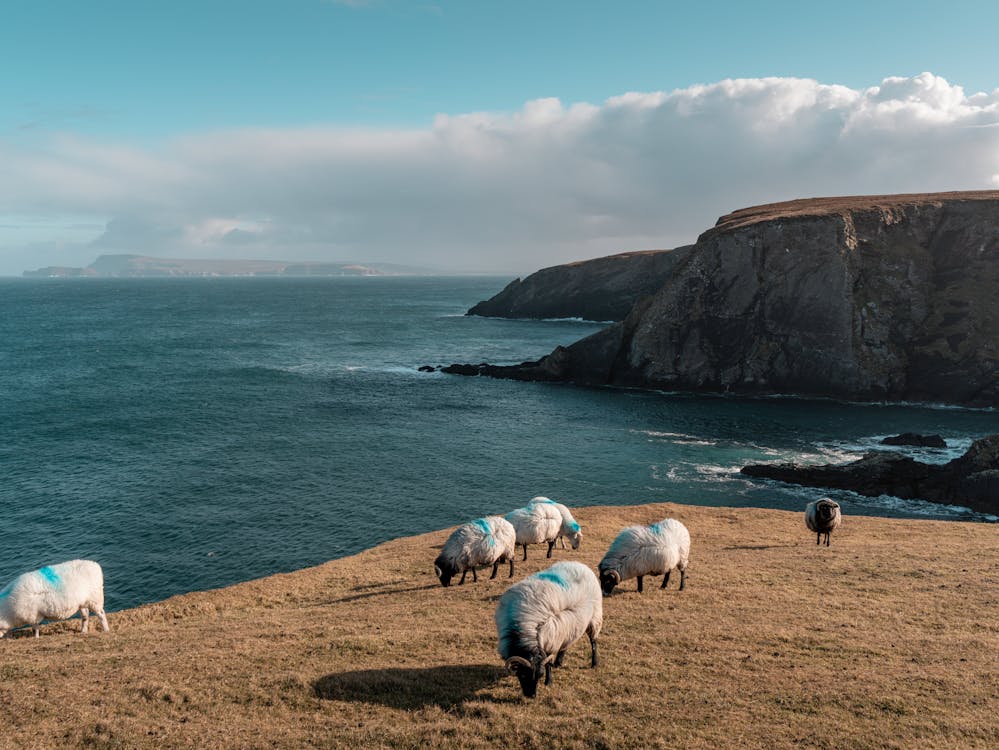
Culdaff is a breathtaking coastal escape situated on the Inishowen Peninsula in County Donegal. For surfers, Culdaff provides an incredible sense of freedom, characterized by its twin sandy beaches—the “Small Beach” and the “Big Beach”—and the consistent, powerful pulses that roll in from the deep ocean.
Surfing here is a cinematic experience; the ocean meets a landscape of dramatic headlands, 18th-century stone bridges, and the mythical hills of Inishowen, offering a refreshing and powerful pulse that is synonymous with the wild atlantic style.
Best Season to Surf Culdaff
- The High Swell Season – Winter Seasons: November to April. This period experiences the strongest ocean energy. The waves are large and not beginner-friendly. The landscape is vibrant and green during these months, and the ocean is typically smooth in the early mornings.
- Beginner Recommendation – Summer Season: May to August. This is the ideal time for organized conditions and more manageable waves. Warm weather, smaller waves, sunny vibes, and overall a good time for a surf session.
- General Recommendation – The Transition Months: April and October. These months provide a useful combination of good waves and pleasant weather. You can often experience some significant swells of the year while enjoying sunny conditions.
Surf Spots and Beaches in Culdaff
Culdaff Beach
The surfing in Culdaff is centered on its magnificent Blue Flag shoreline, which acts as a reliable swell magnet for the northernmost tip of Ireland.
Some fun waves breaking along the beach. As depicted, the size if perfect for improving your surf!
Surf Lessons and Camps
Based at the beautiful Caravan Beach in Inishowen, North Donegal, Culdaff Surf School is run by local surfer John Mason. Located just 35 minutes from Derry, this specialized center offers passionate, safe coaching for all levels (ages 8+), dynamic kids’ summer camps, and premium 5mm wetsuit and surfboard rentals on a highly scenic, consistent stretch of the Wild Atlantic Way.
Other Things to Do in Culdaff
- Malin Head: Take a short drive to the most northerly point of mainland Ireland for spectacular cliff views and Star Wars filming locations.
- Bunagee Pier: Visit this nearby working pier for a walk or to watch the local fishing boats coming in with the day’s catch.
- Inishowen 100: Drive this famous 100-mile scenic route that circles the peninsula, featuring breathtaking coastal vistas and hidden coves.
- Bocan Stone Circle: Explore this nearby prehistoric megalithic site that offers a glimpse into the ancient history of the region.
- Local Gastronomy: Savor fresh local seafood or enjoy a coffee at the village’s traditional pubs and contemporary cafes after a session in the waves.
Conclusion on Surfing Culdaff
Culdaff offers a quintessential Irish surf experience, balancing consistent Atlantic wave energy with the serene and historic beauty of the Inishowen Peninsula.
Whether you are carving through a clean morning pulse or watching the sun set over the North Atlantic after a session, Culdaff provides a profound connection to the sea and the adventurous spirit of Irish surf travel.
FAQ: Surf Travel to Culdaff
Is Culdaff Beach suitable for beginners?
Yes, the sandy beach and the presence of highly professional coaching make it a fantastic and safe place in Ireland for beginners to learn and progress.
What is the water temperature?
In summer, the water ranges from 14°C to 17°C (57-63°F). In winter, it drops to around 8°C to 10°C (46-50°F). A 4/3mm wetsuit is ideal for summer, while a 5/4mm with boots and gloves is recommended for winter.
How do I get there?
Culdaff is located on the Inishowen Peninsula, approximately 40 minutes north of Derry City and 1 hour from Letterkenny. It is best accessed by car.
Is the beach crowded?
As a remote and northern destination, Culdaff rarely feels crowded. Surfers can almost always find their own peak along the expansive shoreline, offering a peaceful and authentic experience.
Can I surf at low tide?
Conditions are tide-dependent. While it can be surfed at various stages, mid-to-high tide often provides the best shape as the waves move over the primary sandbanks.
Are there other locations to do a Surf Camp or take a lesson in Ireland?
Check out our Surfing in Ireland guide if you are interested in learning about more areas.