Surfing in Ireland: A Surf Travel Guide
Introduction to Surfing in Ireland
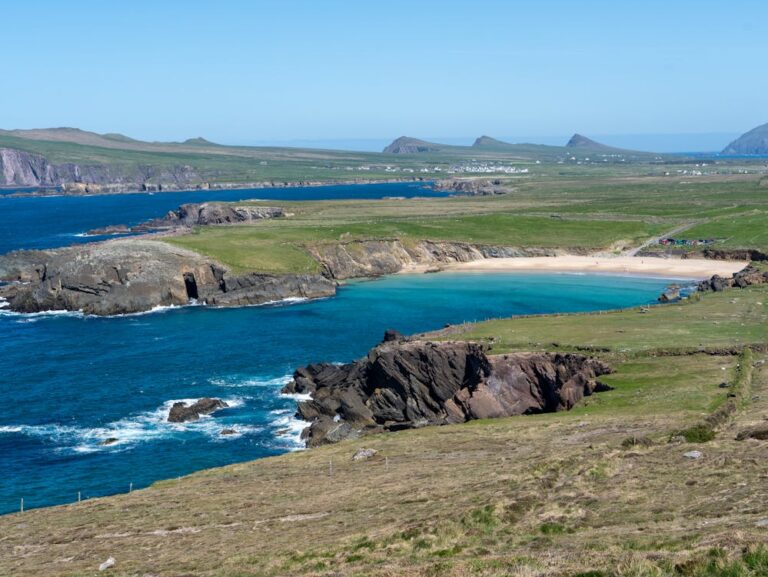
Ireland is one of Europe’s great Atlantic surf destinations, with consistent swell, cold water, and a coastline that ranges from beginner-friendly beaches to world-class reefs and points. The west coast gets the most attention, but the south, southeast, and north coasts all have worthwhile surf when the weather lines up.
Curracloe, Tramore, Bunmahon, Garrettstown, Inchydoney, Inch, Banna, Spanish Point, Lahinch, Fanore, Achill, Strandhill, Bundoran, Rossnowlagh, Dooey, Magheraroarty, Killahoey, Ballyhiernan Bay, Culdaff, Portstewart, and Portrush together show just how varied Irish surf can be. The best season is usually autumn through spring, when Atlantic low-pressure systems bring the most reliable swell.
Best Season to Surf in Ireland
- Autumn and winter: This is the main surf season, when Atlantic storms create the most consistent swell and the strongest waves across the coast.
- Spring: Still very productive, often with cleaner winds and long-lasting surf windows.
- Summer: Usually smaller and more beginner-friendly, but still capable of delivering good sessions at the right beaches.
Surf Spots in Ireland
Curracloe
Curracloe is one of the best-known surf beaches in County Wexford and a very accessible southeast option. It is a long sandy beach with easy conditions for learners and plenty of space when the swell is working.
Its appeal is the combination of beginner-friendly waves, surf school access, and a classic east coast beach setup. It is one of the most practical places to include for Ireland’s southeast.
Tramore
Tramore is a major Waterford surf beach and a reliable south coast option. The broad bay can handle different swell sizes and often works well for mixed ability levels.
It is one of the easiest places to surf on the south coast, which makes it especially useful for lessons and short trips. The town also has a long-standing surf culture.
Bunmahon
Bunmahon is a scenic and often quieter south coast surf spot with a more open, exposed feel. It can produce fun beach-break waves when Atlantic energy reaches the Waterford coast.
It is a good option for surfers who want something a little less busy than the more famous towns. The setting adds a raw, coastal feel to the session.
Garrettstown
Garrettstown is one of the key Cork surf beaches and a dependable place for a wide range of conditions. It is especially useful for beginners and intermediates because of its broad sandy layout.
The beach is a solid south coast choice when you want easy access and manageable surf. It fits naturally into any Cork surf road trip.
Inchydoney
Inchydoney is a classic west Cork surf beach with a strong reputation and good exposure to Atlantic swell. It can produce very enjoyable waves and is one of the best-known surf locations in the region.
The beach is popular for a reason: it has a good mix of accessibility, scenery, and surf potential. It is one of Ireland’s more established surf destinations.
Inch
Inch is a long sandy beach that can catch plenty of swell and often works well for learners and casual surfers. It is one of the more forgiving big beaches on the southwest coast.
The open coastline gives it lots of room for different conditions. It is a great example of the west coast’s beach-break potential.
Banna
Banna Beach in Kerry is a wide, exposed beach break with plenty of space and regular surf potential. It is a useful stop for surfers exploring the southwest.
The beach can work for beginners on smaller days and become more interesting as the swell builds. It offers a classic Atlantic beach-break experience.
Spanish Point
Spanish Point is one of Clare’s better-known surf beaches and a dependable west coast option. It is exposed enough to catch solid swell and has a strong surf identity.
It works well for surfers who want reliable beach-break energy without needing a heavy reef setup. The setting is scenic and distinctly Atlantic.
Lahinch
Lahinch is one of Ireland’s most famous surf towns and a real center of the national surf scene. The beach is broad, consistent, and ideal for everything from lessons to more serious sessions.
It is one of the best all-round surf bases in the country, with a strong lineup of surf schools and beach culture. Lahinch deserves its reputation as a surf town.
Fanore
Fanore is a beautiful Clare surf beach with a quieter atmosphere than Lahinch and strong west coast exposure. It can produce very good sessions when the swell is right.
It is especially appealing for surfers who want a more relaxed setting and stunning scenery. Fanore is a classic Wild Atlantic Way stop.
Achill
Achill Island offers remote, open-coast surf with real Atlantic exposure. It is one of the more adventurous surf areas in Ireland and can deliver solid waves when systems move in.
The island setting makes it feel a little more wild and less crowded than many mainland spots. That is a big part of its appeal.
Strandhill
Strandhill is one of the west coast’s best-known surf towns and a major part of Irish surf culture. It has reliable beach-break character and plenty of local energy.
The beach can work across a range of conditions, which makes it one of the most practical surf destinations in the northwest. It is a staple of Irish surf travel.
Bundoran
Bundoran is Ireland’s best-known surf town and one of the country’s most important wave destinations. It offers a mix of beginner beaches and higher-quality reef setups, which makes it useful for all levels.
Its famous breaks and strong surf infrastructure make it a must-include destination. For many surfers, Bundoran is the classic Irish surf stop.
Rossnowlagh
Rossnowlagh is a long, forgiving beach in Donegal that is especially popular with learners and surf schools. It is one of the most approachable big beaches in the northwest.
The beach can still offer quality surf for more experienced surfers when the swell is up. It is a key part of Donegal’s surf identity.
Magheraroarty
Magheraroarty is a classic northwest surf zone with strong exposure and a raw, open-beach character. It is a good stop for surfers chasing less crowded sessions in Donegal.
The area is especially appealing for those who want space, scenery, and a more remote feel. It fits well into a serious northwest surf road trip.
Culdaff
Culdaff is a useful northeast Donegal option with beach-break potential and a quieter feel. It is a good destination for surfers who prefer less crowded lineups.
The spot is not always the headline wave, but it earns its place for its exposure and local surf value. It is a worthwhile stop in the far northwest.
Portstewart
Portstewart is a major surf beach in Northern Ireland and one of the best-known options on the north coast. It has broad sandy exposure and a strong local following.
The beach can suit a wide range of surfers, especially when conditions are clean and organized. It is one of the key names for Irish surf beyond the Republic.
Portrush
Portrush is one of Northern Ireland’s most famous surf towns and a core part of the north coast scene. It combines beach and reef options, which gives it more variety than many other spots.
The town has a strong surf identity and remains one of the most important surf stops in the country. It is especially well known for its consistent, surf-friendly coastline.
Practical Surf Travel
- Best planning approach: Follow Atlantic swell and wind forecasts closely, since Irish surf can change quickly from coast to coast.
- Travel style: A car is extremely helpful, especially for exploring the west and northwest.
- Water temperature: Cold for much of the year, so a thick wetsuit is essential.
- What to expect: Powerful Atlantic energy, lots of variety, and a surf culture that stretches across the whole island.
Conclusion on Surfing in Ireland
Ireland is one of Europe’s most complete surf destinations, with reliable swell, dramatic coastlines, and a strong mix of beginner and advanced options. Curracloe, Lahinch, Bundoran, Rossnowlagh, Strandhill, Inchydoney, and the Donegal and Northern Ireland breaks each give the country a different surf personality.
It is a destination that rewards flexibility, local knowledge, and a willingness to chase the right coast for the conditions. When the Atlantic lines up, Ireland can be outstanding.