Improving Your Surf in Arguineguín, Gran Canaria: A Travel Guide
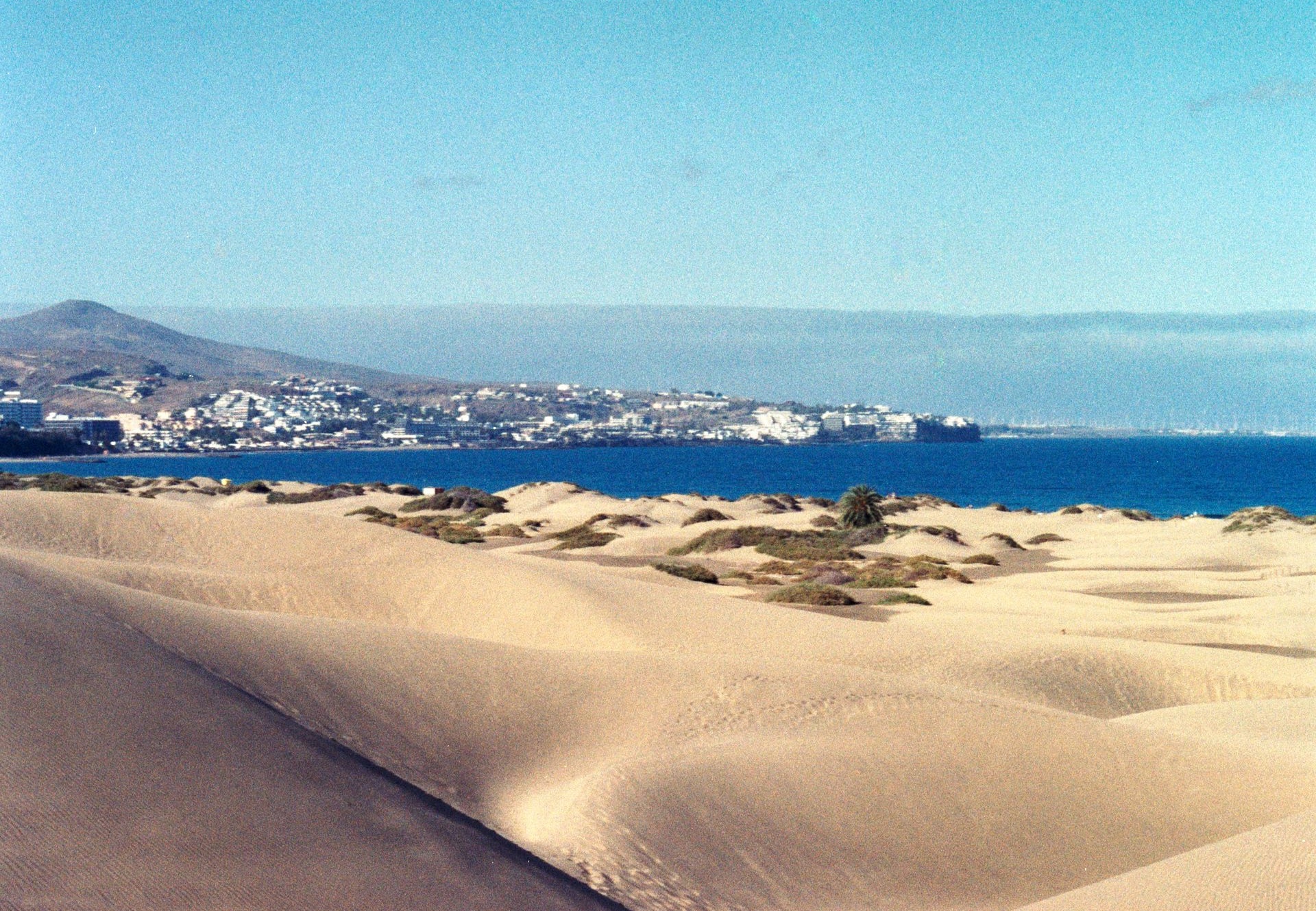
Introduction to Surfing Arguineguín
Arguineguín sits on the southwest coast of Gran Canaria, a small and genuinely authentic fishing town that has held onto its local character despite sitting within easy reach of the major resort areas of Maspalomas and Puerto Rico. The coastline here faces directly into the Atlantic swell window and picks up waves with a consistency that makes it one of the most reliable surf environments in the south of the island.
It is not a destination that announces itself loudly, as there are no high-rise hotels lining the beach and no surf shops on every corner, and that is entirely part of the appeal. The rocky points, the fishing boats in the harbour, the market on Wednesday mornings and the smell of fresh seafood from the restaurants along the front all give Arguineguín a texture and authenticity that the bigger resort towns to the east have long since traded away. For surfers who want quality waves in a genuinely local Canarian setting, it is one of the most quietly rewarding spots on the island.
Best Season to Surf Arguineguín
- Winter Season — November to March: Arguineguín’s most powerful and consistent surf season. North Atlantic groundswells push down the southwest coast of Gran Canaria during the winter months and the breaks along this stretch of coastline respond with the most rewarding waves of the year.
- Summer Season — June to August: The consistent northeast trade winds keep the southwest coast active throughout the summer months and Arguineguín remains a reliable surf environment even when the Atlantic groundswells are at their most modest. The warm, clear water and the reliable Canarian sunshine make it an enjoyable and accessible season for beginners and improvers.
- Shoulder Seasons — March to May / September to November: The most balanced and rewarding window for most surfers at Arguineguín. Autumn brings building Atlantic swell and a town that has returned to its own unhurried rhythm, while spring offers improving surf and the southwest coast of Gran Canaria in its quietest and most pleasant mood. Both periods give intermediate surfers the best combination of consistent wave quality and uncrowded conditions that this stretch of the island produces.
Surf Spots and Beaches in Arguineguín
Arguineguín Beach
Quality peeling withn peaks standing up cleanly with takeoff zones requiring local knowledge.
Some fun waves for intermediates to improve their surfing.
Surf Camps and Lessons
Second Reef Surf
Second Reef Surf and SUP School has been based in Arguineguín since 2009, founded and run by Eduardo Díaz. An instructor whose deep knowledge of the sport and genuine investment in every student’s experience.
The offering spans surf lessons at Arguineguín, and the surrounding breaks. Eduardo’s approach is hands-on, knowledgeable and warmly enthusiastic. For anyone heading to Arguineguín and the south of Gran Canaria looking for expert surf or SUP instruction in an authentic local setting, Second Reef is the natural first call.
Other Things to Do in Arguineguín
- Fishing harbor: Fresh Canarian seafood restaurants dockside.
- Puerto de Mogán: “Little Venice” 15min drive with canals.
- Scuba diving: World-class sites including shark caves nearby.
- Hiking trails: Coastal paths to secluded beaches and miradors.
- Airport proximity: Gran Canaria Airport 45min transfer.
Conclusion on Surfing Arguineguín
Arguineguín offers one of the most complete and genuine surf experiences in the south of Gran Canaria. The waves are consistent and capable of real quality on the right swell, the town is authentically local in a way that much of the island’s tourist south is not, and Second Reef provides the kind of expert, personal instruction that makes every session in the Atlantic worth every minute.
Away from the crowds of Maspalomas and the resort belt to the east, this corner of the southwest coast rewards those who take the time to find it with surf, scenery and a pace of life that feels entirely its own.
FAQ: Surf Travel to Arguineguín
Consistency rating?
Low (4/10)—patience required; check forecasts religiously.
Required skill level?
Strong intermediate minimum.
Best conditions formula?
S/SW 3-6ft, NE offshore, low tide reef exposure.
Hazard awareness?
Rocks, currents, local priority—paddle with respect.
Airport logistics?
Gran Canaria Airport (LPA) 45min; south coast positioning.
Are there other locations to do a Surf Camp or take a lesson in the Canary Islands?
Check out our Surfing in the Canary Islands Travel Guide if you’re interested in checking out other surfing locations.