Surfing in Canary Islands: A Surf Travel Guide
Introduction to Surfing in the Canary Islands
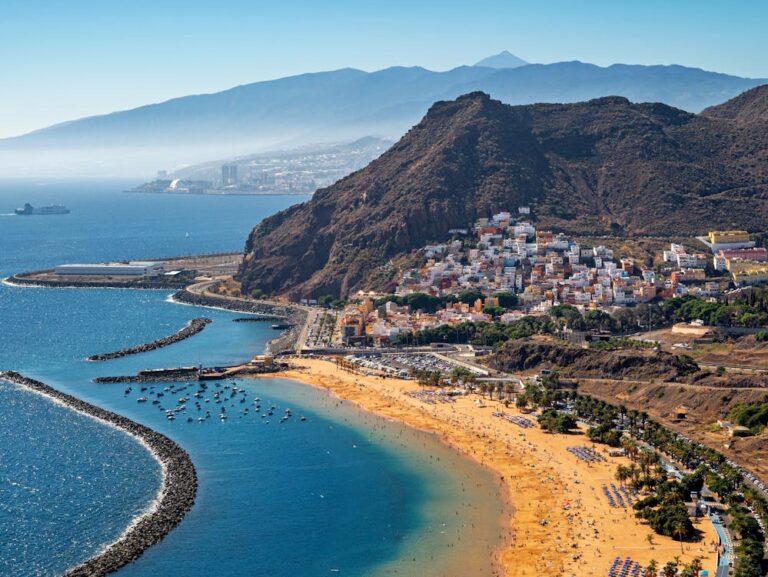
The Canary Islands, Spain’s Atlantic outposts off Africa’s northwest coast, deliver consistent North Atlantic swells through volcanic reefs and black-sand beach breaks. Tenerife, Gran Canaria, Fuerteventura, and Lanzarote offer year-round tropical surf with multiple swell windows and warm water.
From El Médano’s championship beach breaks to Corralejo’s point break perfection, the Canaries combine European accessibility with African swell exposure. Multiple islands ensure waves somewhere constantly across reef, beach, and harbor breaks.
Best Season to Surf in the Canary Islands
- Northern Swell Peak (October to March): Winter NW Atlantic storms light up El Médano, Corralejo, and La Pared. Offshore winds create glassy conditions across Tenerife and Fuerteventura.
- Southern Swell Peak (May to October): Consistent south swells favor Playa Blanca, Las Galletas, and Lanzarote breaks. Warmer water and lighter winds perfect for progression.
- Trade Wind Season (April to September): Alisio winds texture waves but mornings often remain rideable at sheltered spots like Costa Teguise and El Cotillo.
Surf Spots in the Canary Islands
Tenerife (South): Playa de las Américas, El Médano
Tenerife’s surf capital featuring El Médano’s world-championship beach break and Las Américas’ mellow peaks. Multiple breaks cater all levels with surf schools lining black volcanic sands.
Tenerife (North): Puerto de la Cruz, Santa Cruz, Bajamar, Punta del Hidalgo
Lusher north coast delivers reef breaks and harbor waves sheltered from trade winds. Bajamar’s natural pools complement powerful winter beach breaks.
Tenerife (South Alternative): Las Galletas
Adeje area’s mellow reef and beach breaks offering uncrowded sessions beside El Médano. Perfect for south swell progression with local surf vibe.
Gran Canaria (South): Maspalomas, Playa del Hombre, Arguineguín, Morro Jable
South coast progression beaches with reliable south swells. Maspalomas dunes backdrop quality beach breaks perfect for longboarding.
Gran Canaria (North): Las Palmas
Urban surf capital featuring Playa de Las Canteras’ famous reef break. City convenience beside world-class waves with surf shops lining volcanic harbor.
Fuerteventura (North): Costa Calma, Corralejo, Majanicho, El Cotillo
Fuerte’s point break paradise anchored by Corralejo’s world-class rights. Majanicho’s powerful reefs complement Cotillo’s sheltered lagoons.
Fuerteventura (South): La Pared
Legendary beach break hosting international contests. Consistent northwest exposure creates powerful peaks beside Jandía peninsula’s desert beauty.
Lanzarote (South): Playa Blanca, Puerto del Carmen
South swells light up sheltered reef breaks perfect for progression. Playa Blanca’s quality rights backed by white volcanic cliffs.
Lanzarote (North): Costa Teguise, Caleta de Famara, La Santa
Famara’s powerful beach break anchors Lanzarote’s surf scene. La Santa’s reef breaks offer quality while Costa Teguise provides beginner progression.
Practical Surf Travel
- Main Airports: TFS (Tenerife South), LPA (Gran Canaria), FUE (Fuerteventura), ACE (Lanzarote)
- Board Rental: €15-30/day all islands. Lessons €35-60/hour
- Wetsuits: Shorties Oct-May. Boardshorts year-round (20-24°C water)
- Accommodation: Surf camps €50-120/night all-inclusive. Apartments €70-200
- Essential: Alisio trade winds texture afternoons. Dawn patrol essential
Conclusion on Surfing in the Canary Islands
Canary Islands transform volcanic shores into Atlantic surf paradise, delivering year-round tropical consistency across four major islands. El Médano’s championship beach breaks complement Corralejo’s point perfection and Famara’s powerful reefs.
Multiple airports, warm water, and island-hopping convenience create Europe’s ultimate surf destination. From Tenerife’s surf schools to Fuerteventura’s remote slabs, Canaries blend world-class waves with Spanish hospitality and African swell power.